Brake service & diagnostics refers to the inspection, maintenance, and repair of a vehicle’s braking system. This process involves checking brake pads, rotors, fluid levels, and other components to ensure optimal performance and safety. Diagnostics utilize specialized tools to identify issues such as worn parts, leaks, or electronic malfunctions. Regular brake service and diagnostics help prevent accidents, extend the lifespan of brake components, and maintain reliable stopping power for the vehicle.
Brake Service & Diagnostics
Brake service & diagnostics refers to the inspection, maintenance, and repair of a vehicle’s braking system. This process involves checking brake pads, rotors, fluid levels, and other components to ensure optimal performance and safety. Diagnostics utilize specialized tools to identify issues such as worn parts, leaks, or electronic malfunctions. Regular brake service and diagnostics help prevent accidents, extend the lifespan of brake components, and maintain reliable stopping power for the vehicle.
💡 Key Takeaways
- Understand braking system basics (pads, rotors, calipers, brake fluid, and ABS) and how they influence stopping performance.
- Learn to inspect brakes for wear and issues by checking pads, rotors, fluid levels, and leaks.
- Use diagnostic tools to identify braking problems and interpret symptoms like noise, vibration, soft pedal, or ABS codes.
- Perform essential brake maintenance such as pad/shoe replacement, rotor servicing or replacement, and bleeding/flushing brake fluid.
- Apply safety best practices and know when to escalate to a qualified technician.
❓ Frequently Asked Questions
What is brake service and why is it important?
Brake service is the inspection, maintenance, and repair of a vehicle’s braking system to keep stopping power safe and reliable. It covers pads, rotors, fluid, calipers, lines, and ABS components.
What components are checked during a brake inspection?
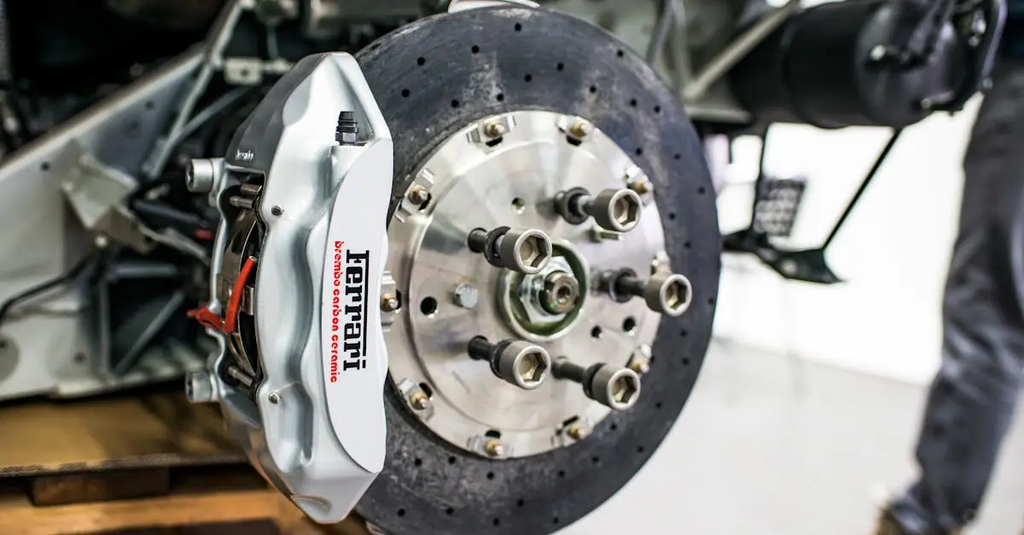
Common checks include brake pad thickness, rotor wear, brake fluid level and condition, calipers and slides, brake lines and hoses, the master cylinder, and ABS components for leaks or faults.
How do pad thickness and rotor wear affect braking performance?
Thicker pads provide stronger braking; as pads wear, stopping power decreases and heat increases. Worn rotors can cause vibration and reduced bite, leading to longer stopping distances.
What tools are used in brake diagnostics?
Tools include rotor gauges or micrometers for wear, brake fluid testers, electronic brake diagnostic scanners for ABS/TPMS codes, and bleeding/pressure kits along with standard hand tools.
When should brakes be serviced or replaced?
Service or replacement is needed when pads or rotors reach minimum thickness, fluid is contaminated, or you notice symptoms like squealing, grinding, a soft pedal, pulling, or warning lights.