Bread, scones, and biscuits traditions reflect the rich culinary heritage of various cultures. Bread is a global staple, often central to meals and rituals. Scones, originating in the British Isles, are associated with tea time and social gatherings. Biscuits, which differ between American and British usage, are either sweet or savory baked goods enjoyed at breakfast or with tea. Together, these baked items symbolize comfort, hospitality, and shared moments.
Bread, scones, and biscuits traditions
Bread, scones, and biscuits traditions reflect the rich culinary heritage of various cultures. Bread is a global staple, often central to meals and rituals. Scones, originating in the British Isles, are associated with tea time and social gatherings. Biscuits, which differ between American and British usage, are either sweet or savory baked goods enjoyed at breakfast or with tea. Together, these baked items symbolize comfort, hospitality, and shared moments.
💡 Key Takeaways
- Bread is a global staple and central to meals and rituals, reflecting how everyday eating varies across cultures.
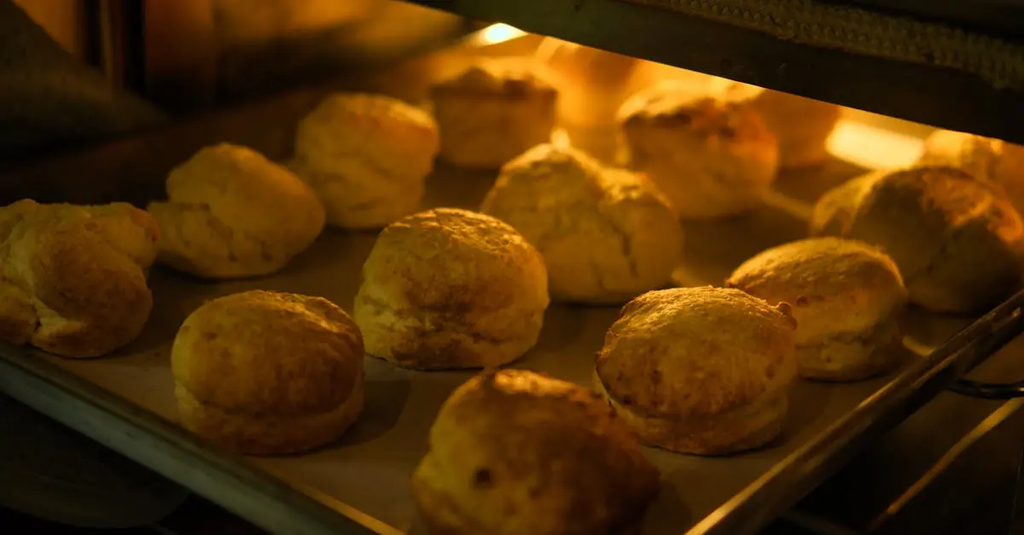
- Scones originated in the British Isles and are closely tied to tea-time social gatherings.
- Biscuits differ between American and British English in meaning and form—explore differences in ingredients, texture, and typical uses.
- Traditional bread, scones, and biscuits reveal how local ingredients, hospitality, and ritual shape culinary practices.
❓ Frequently Asked Questions
What role does bread play in many cultures?
Bread is a global staple that features at meals and can be part of rituals, symbolizing hospitality and sustenance in many traditions.
Where did scones originate and what are they commonly associated with?
Scones originated in the British Isles and are linked with tea time and social gatherings, often enjoyed with jam and cream as a cream tea.
How do American and British biscuits differ in everyday language?
In American English, a biscuit is a soft, flaky bread roll; in British English, a biscuit is a hard, sweet cookie, while the term cookie is used for softer varieties in the UK.
How do bread, scones, and biscuits reflect cultural heritage?
They reveal regional baking traditions, ingredient choices, and social customs, with bread as a universal staple, scones tied to British tea culture, and biscuits illustrating language differences and snack norms.