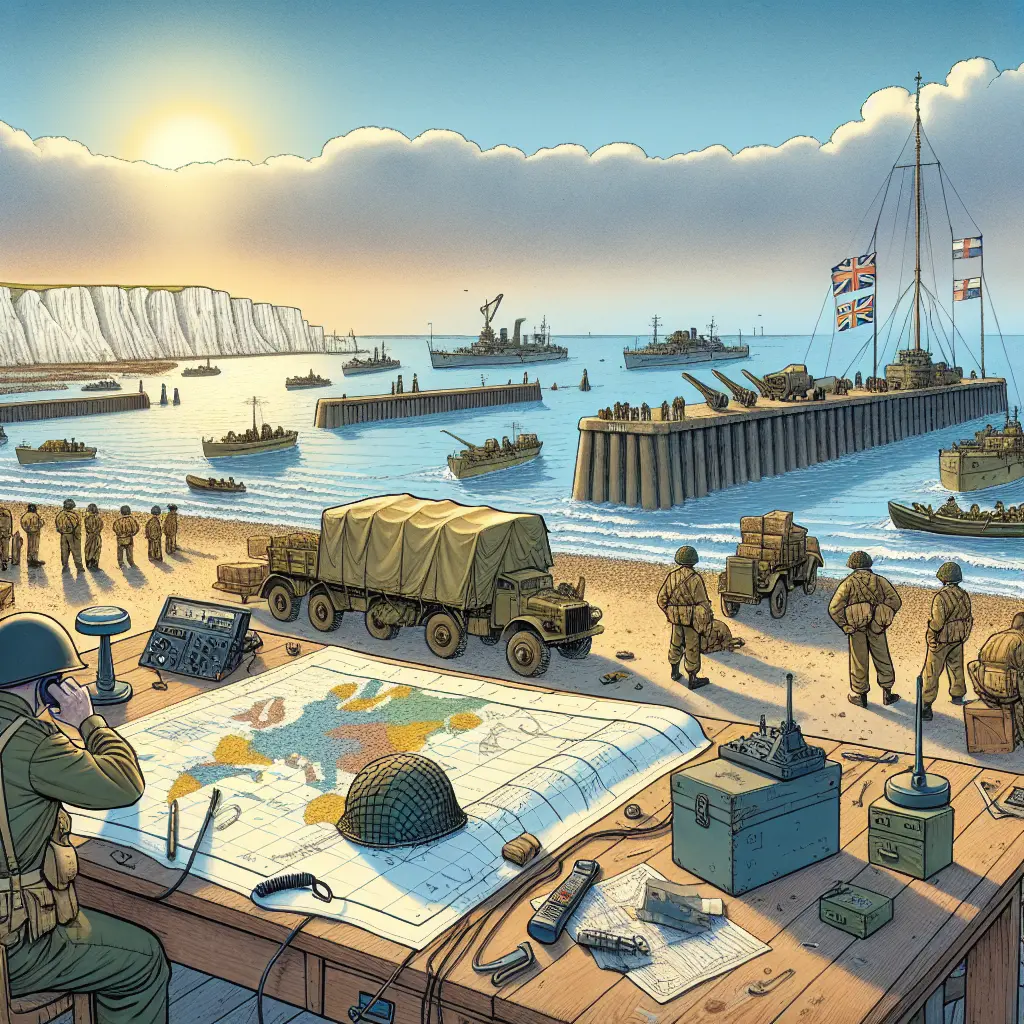
Britain played a pivotal role in both World Wars, acting as a key member of the Allied powers. During World War I, Britain mobilized its empire, endured heavy casualties, and contributed significantly to the eventual victory. In World War II, Britain stood resilient against Nazi Germany, especially during the Battle of Britain, and later collaborated with allies to liberate Europe. Both wars profoundly affected British society, economy, and its global standing.
Britain in the World Wars Overview+45
Britain played a pivotal role in both World Wars, acting as a key member of the Allied powers. During World War I, Britain mobilized its empire, endured heavy casualties, and contributed significantly to the eventual victory. In World War II, Britain stood resilient against Nazi Germany, especially during the Battle of Britain, and later collaborated with allies to liberate Europe. Both wars profoundly affected British society, economy, and its global standing.
💡 Key Takeaways
- Understand Britain's objectives and key decisions in WWI and WWII.
- Identify Britain's roles in major campaigns and theatres (Western Front, North Africa, Atlantic, Europe).
- Learn how the wars altered British society, economy, and the empire.
- Explain how alliances, leadership, and technology shaped Britain's war effort.
❓ Frequently Asked Questions
What were Britain's main wartime alliances in World War I and World War II?
WWI: Britain fought as part of the Allies with France and Russia, later joined by the United States. WWII: Britain again fought with the Allies, including the United States, the Soviet Union after 1941, and other nations.
Why is the Battle of Britain considered a turning point in World War II?
In 1940, the Royal Air Force defended Britain from the German Luftwaffe, preventing a planned invasion and signaling a shift in momentum against Germany.
How did Britain mobilize domestically during the world wars?
Conscription was introduced, the economy was centralized for wartime production, rationing was imposed, and civil defense and government controls expanded.
What roles did women play on the home front during the wars?
Women entered significant numbers into the workforce, served in auxiliary services, and supported farming and production, helping sustain the war effort and driving social change.