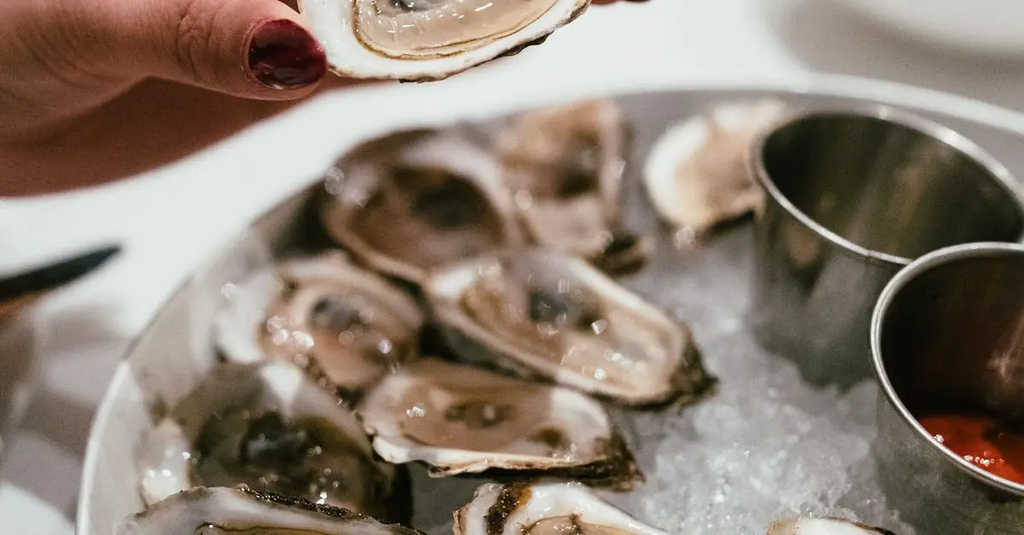
British seafood and shellfish encompass a diverse array of marine delicacies harvested from the waters surrounding the United Kingdom. Staples include cod, haddock, mackerel, and plaice, alongside shellfish such as mussels, oysters, scallops, crabs, and lobsters. Renowned for their freshness and quality, these ingredients feature prominently in traditional dishes like fish and chips, seafood platters, and chowders, reflecting the country’s rich maritime heritage and culinary traditions.
British seafood and shellfish
British seafood and shellfish encompass a diverse array of marine delicacies harvested from the waters surrounding the United Kingdom. Staples include cod, haddock, mackerel, and plaice, alongside shellfish such as mussels, oysters, scallops, crabs, and lobsters. Renowned for their freshness and quality, these ingredients feature prominently in traditional dishes like fish and chips, seafood platters, and chowders, reflecting the country’s rich maritime heritage and culinary traditions.
💡 Key Takeaways
- Identify the staple British fish and shellfish listed: cod, haddock, mackerel, plaice; mussels, oysters, scallops, crabs, and lobsters.
- Understand that these seafood are harvested from the waters surrounding the United Kingdom.
- Recognize freshness as a defining feature of British seafood quality.
- Appreciate the diversity of British seafood, covering both finfish and shellfish.
❓ Frequently Asked Questions
What are the main seafood staples listed under British seafood and shellfish?
Cod, haddock, mackerel, and plaice are highlighted, alongside shellfish like mussels, oysters, scallops, crabs, and lobsters.
How is freshness typically ensured for British seafood?
Catches are landed quickly, kept on ice or refrigerated, and sold fresh in local markets or shops near the coast.
Which white fish are commonly considered staples in British cuisine?
Cod and haddock are classic white-fish staples; plaice is another common white fish.
Name three shellfish commonly found in British waters.
Mussels, oysters, and scallops (crabs and lobsters are also common).
What are common cooking methods for British seafood?
Grilling, baking, and frying for fish; shellfish are often steamed or boiled, with scallops pan-seared.