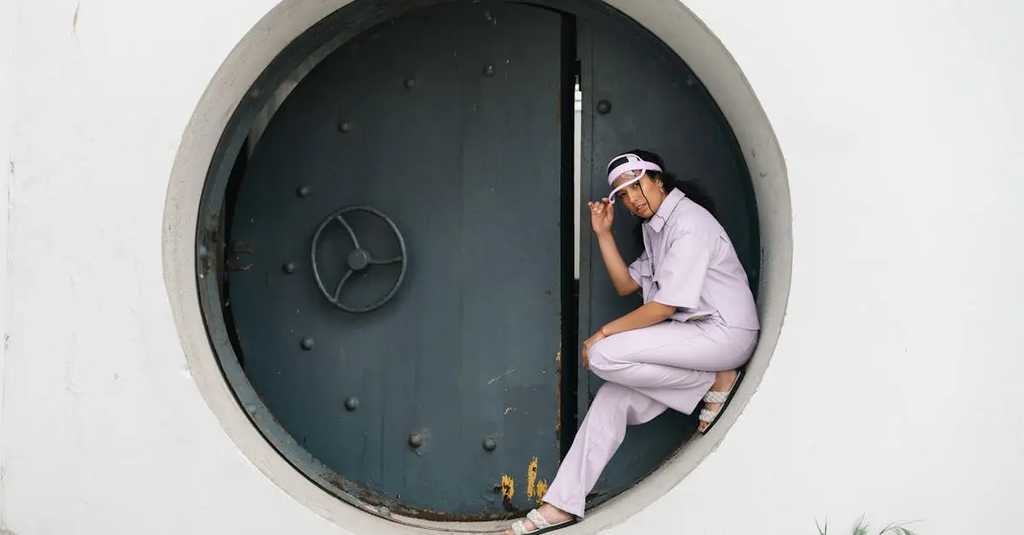
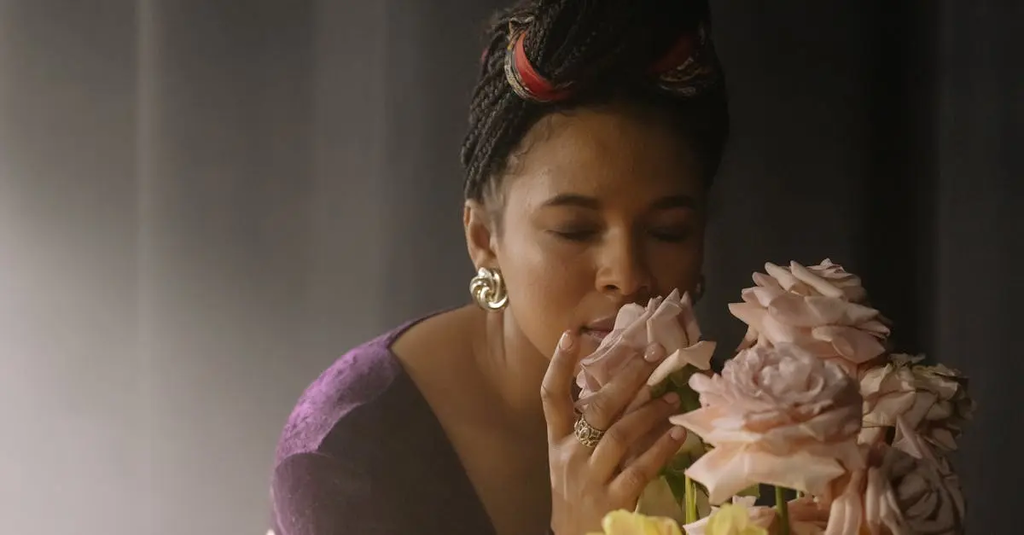
Building a fashion collection involves conceptualizing a cohesive theme, selecting fabrics, and designing garments that reflect a unique vision. The process requires research, sketching, and prototyping to ensure consistency and innovation. Designers consider market trends, target audience, and production feasibility. Each piece within the collection complements the others, creating a unified story. Ultimately, building a fashion collection blends creativity, technical skill, and strategic planning to produce a distinctive and marketable lineup.
Building a Fashion Collection
Building a fashion collection involves conceptualizing a cohesive theme, selecting fabrics, and designing garments that reflect a unique vision. The process requires research, sketching, and prototyping to ensure consistency and innovation. Designers consider market trends, target audience, and production feasibility. Each piece within the collection complements the others, creating a unified story. Ultimately, building a fashion collection blends creativity, technical skill, and strategic planning to produce a distinctive and marketable lineup.
💡 Key Takeaways
- Define a cohesive theme and moodboard to guide silhouettes, color, and styling.
- Research fabrics and trims that support the theme while considering function, durability, and production constraints.
- Translate ideas into sketches and prototypes, iterating on fit, line, and detailing to ensure consistency and innovation.
- Align the collection with market trends and the target audience to balance creativity with commercial viability.
- Plan production considerations, including costing, lead times, and production methods, to ensure feasible execution and a strong final presentation.
❓ Frequently Asked Questions
What is a fashion collection?
A cohesive group of garments built around a central theme, designed to be shown or sold together and to express a designer's vision.
What does a cohesive theme entail and how is it developed?
A unifying concept across color, fabric, silhouette, and details; developed through research, mood boards, and a defined color palette.
What are the typical steps from concept to prototype?
Research, concept development, sketching, fabric selection, patternmaking, prototyping, fittings, and preparing production materials like tech packs.
How do market trends and target audience influence a collection?
Trends guide styles and fabrics; the audience dictates price, sizing, and merchandising, so the collection balances innovation with market needs.
What is the purpose of prototyping and fittings in the process?
To test fit, drape, and construction, allowing adjustments before finalizing patterns and moving to production.