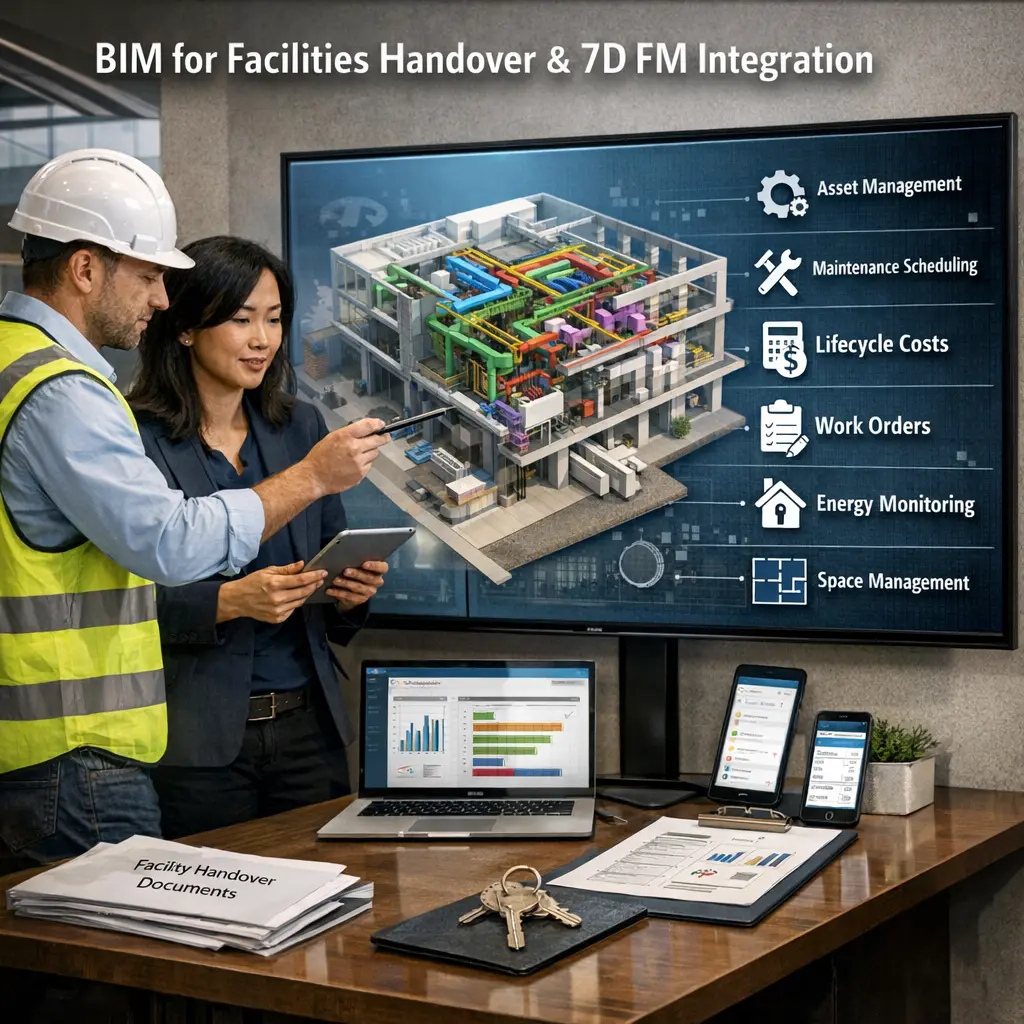
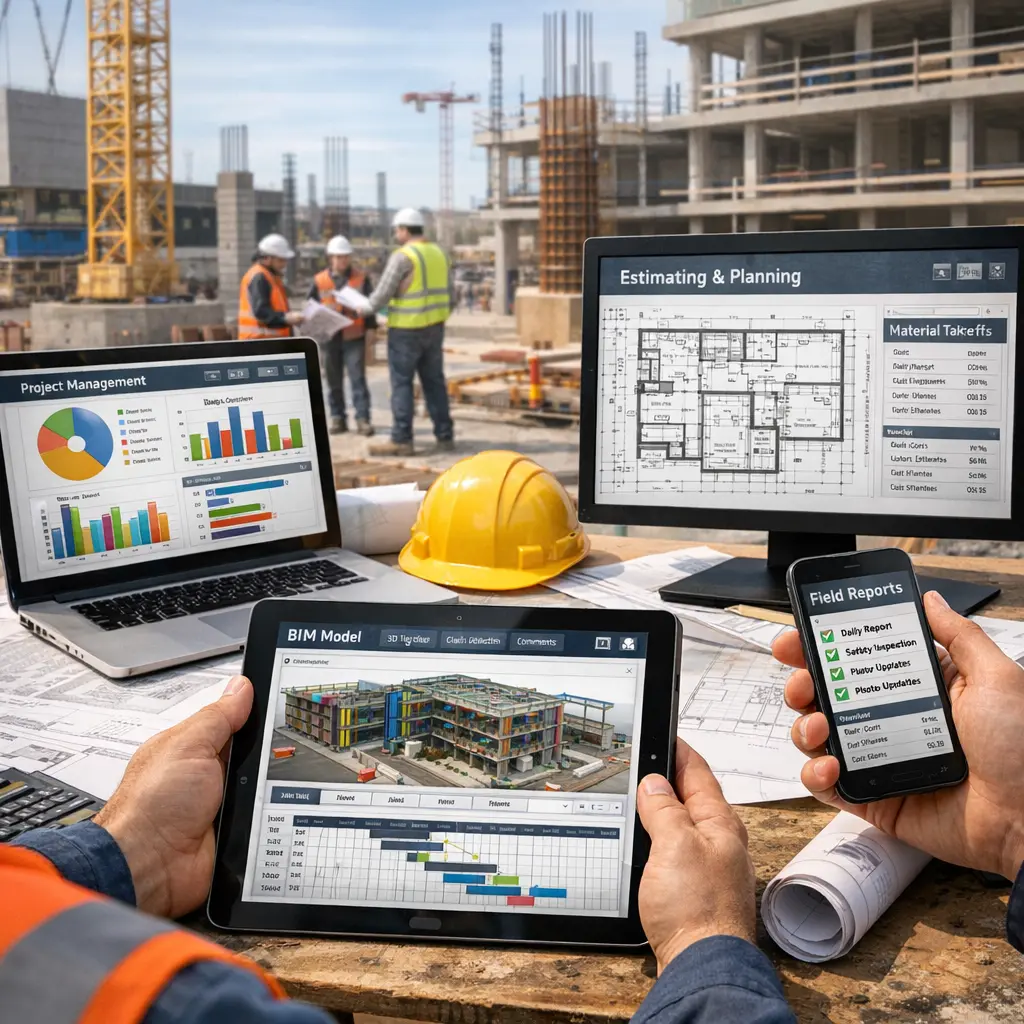
Building Information Modelling (BIM) Fundamentals refer to the essential principles and practices of using digital tools to create, manage, and share construction information. BIM enables collaboration among architects, engineers, and contractors by generating accurate 3D models and data-rich representations of buildings. These digital applications streamline project planning, design, and execution, improving efficiency, reducing errors, and facilitating better decision-making throughout the construction lifecycle.
Building Information Modelling Fundamentals+50
Building Information Modelling (BIM) Fundamentals refer to the essential principles and practices of using digital tools to create, manage, and share construction information. BIM enables collaboration among architects, engineers, and contractors by generating accurate 3D models and data-rich representations of buildings. These digital applications streamline project planning, design, and execution, improving efficiency, reducing errors, and facilitating better decision-making throughout the construction lifecycle.

💡 Key Takeaways
- Understand the core concepts of BIM and how a data-rich model supports design, construction, and operation.
- Identify key BIM processes such as model creation, collaboration, clash detection, and 4D/5D planning.
- Recognize BIM standards and interoperability concepts (IFC, ISO 19650) and their role in information exchange.
- Explain how BIM models house project data and metadata to support lifecycle information management and facilities management.
❓ Frequently Asked Questions
What is Building Information Modeling (BIM)?
BIM is a digital representation of a facility's physical and functional characteristics, enabling 3D modeling and data management to plan, design, construct, and operate a building.
What are the key elements included in BIM data?
3D geometry, object properties (dimensions, materials), relationships (schedules, dependencies), and project information (documents, timelines) to support collaboration.
What is Level of Development (LOD) and how is it used?
LOD describes how complete or reliable model elements are, from conceptual (LOD 100) to as-built (LOD 500). It helps align expectations across teams.
How does BIM improve project delivery and facility management?
BIM enables better collaboration, clash detection, accurate quantities, cost/time planning, and integrated asset information for operations.