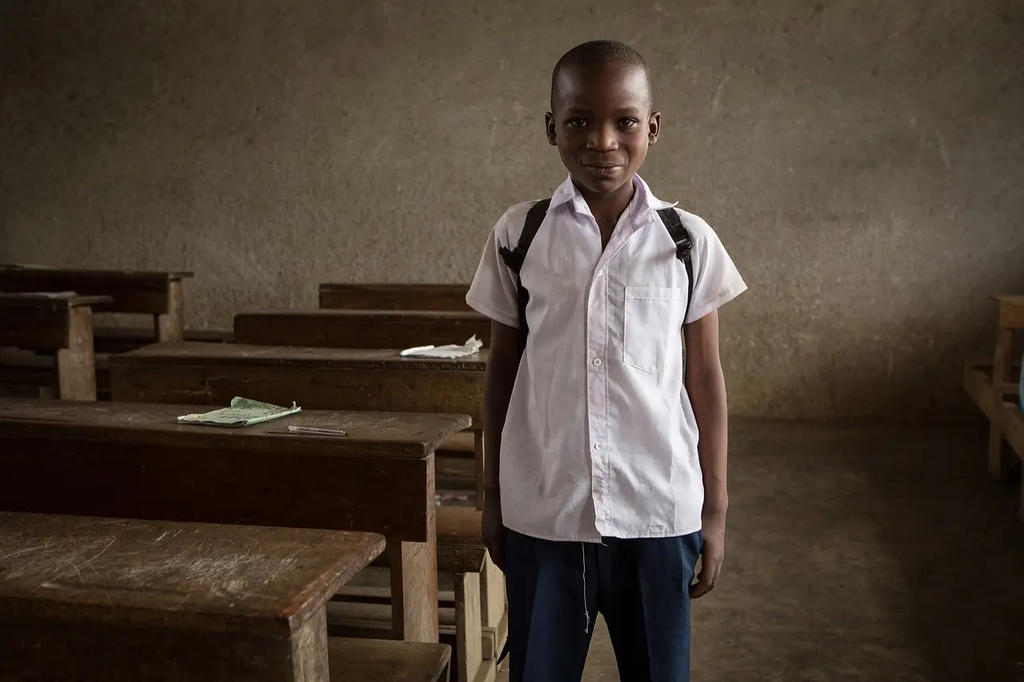
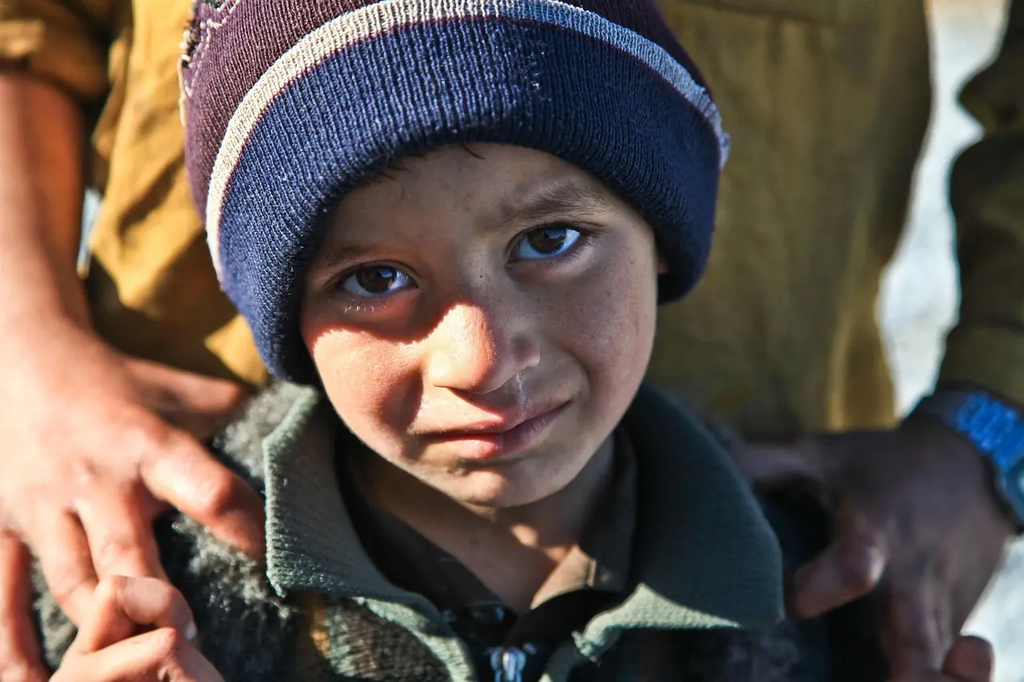
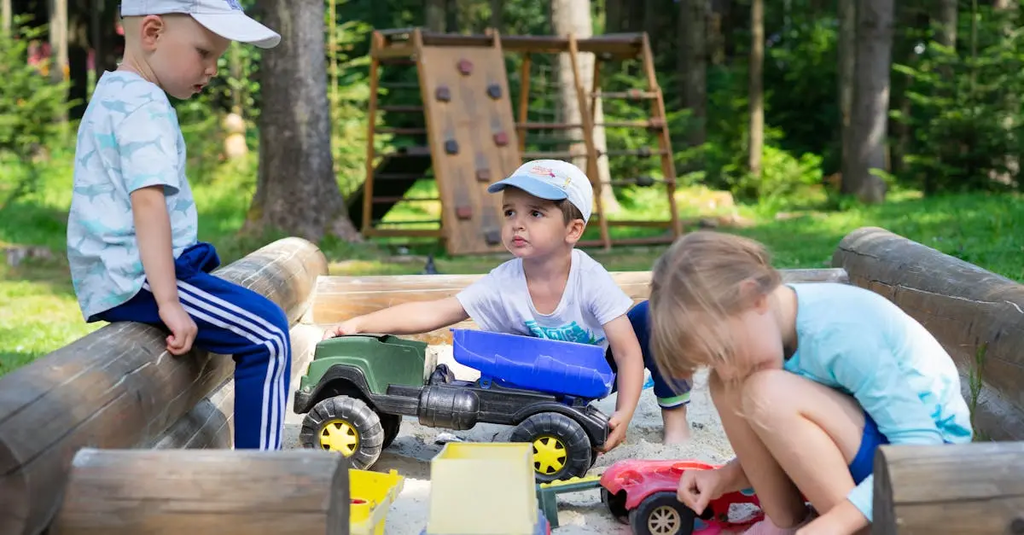
Building resilience, empathy, and healthy self-esteem in children aged 0–10 is crucial for their overall growth and development. Resilience helps children adapt to challenges and setbacks, while empathy fosters understanding and positive relationships with others. Healthy self-esteem supports confidence and a positive self-image. Together, these qualities enable children to navigate social, emotional, and academic situations effectively, laying a foundation for lifelong well-being and success.
Building resilience, empathy, and healthy self-esteem
Building resilience, empathy, and healthy self-esteem in children aged 0–10 is crucial for their overall growth and development. Resilience helps children adapt to challenges and setbacks, while empathy fosters understanding and positive relationships with others. Healthy self-esteem supports confidence and a positive self-image. Together, these qualities enable children to navigate social, emotional, and academic situations effectively, laying a foundation for lifelong well-being and success.

💡 Key Takeaways
- Understand what resilience is and how to bounce back from setbacks.
- Practice empathy through perspective-taking and active listening.
- Build healthy self-esteem with self-compassion, realistic self-talk, and healthy boundaries.
- Apply resilience, empathy, and self-esteem skills to improve relationships and everyday challenges.
❓ Frequently Asked Questions
What is resilience, and why is it important?
Resilience is the ability to adapt to stress, recover from setbacks, and keep going. It helps you cope with challenges and grow from them.
How does empathy affect your relationships?
Empathy means understanding others’ feelings and perspectives, which improves communication, trust, and collaboration.
What is healthy self-esteem?
Healthy self-esteem is a realistic, positive sense of worth that accepts strengths and flaws without arrogance or excessive self-criticism.
What is a simple daily practice to build resilience and healthy self-esteem?
Practice a brief routine: identify a challenge, reframe it as a learning opportunity, acknowledge one personal strength, and seek support if needed.