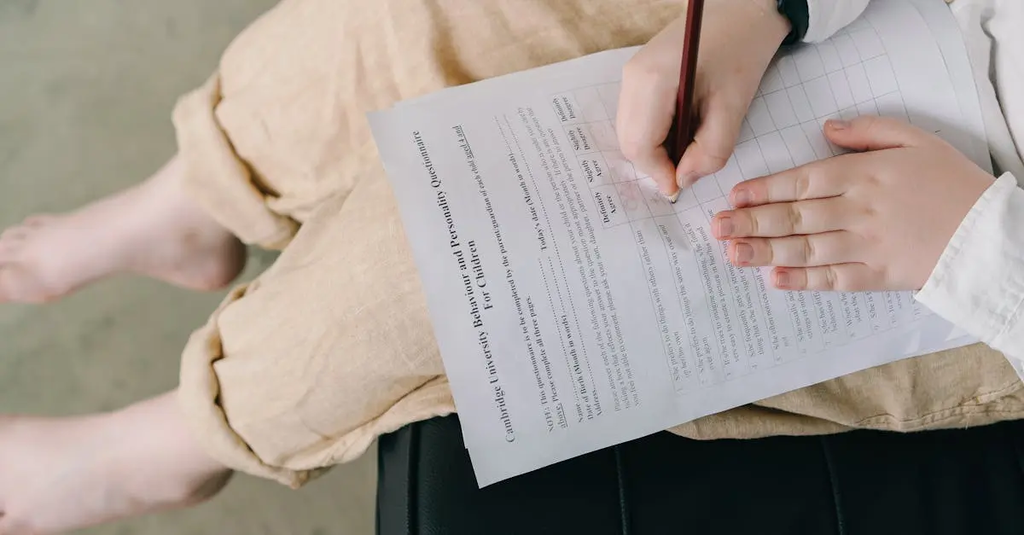
Building school–family partnerships refers to the collaborative relationship between educators and families aimed at supporting student learning and development. These partnerships involve open communication, mutual respect, and shared decision-making. By working together, schools and families can address student needs more effectively, enhance academic achievement, and foster a positive school environment. Such collaboration encourages parental involvement, strengthens trust, and creates a supportive network that benefits students’ overall educational experience.
Building School–Family Partnerships
Building school–family partnerships refers to the collaborative relationship between educators and families aimed at supporting student learning and development. These partnerships involve open communication, mutual respect, and shared decision-making. By working together, schools and families can address student needs more effectively, enhance academic achievement, and foster a positive school environment. Such collaboration encourages parental involvement, strengthens trust, and creates a supportive network that benefits students’ overall educational experience.
💡 Key Takeaways
- Identify the core elements of effective school–family partnerships: open communication, mutual respect, and shared decision-making.
- Discover practical strategies to build and sustain two-way communication with families.
- Understand how partnerships support student learning, development, and home reinforcement.
- Learn how to involve families in decision-making and collaborative problem-solving.
- Recognize and respect diverse family contexts and cultures to foster inclusive engagement.
❓ Frequently Asked Questions
What is a school–family partnership?
A collaborative relationship between educators and families aimed at supporting student learning and development, built on open communication, mutual respect, and shared decision‑making.
Why are school–family partnerships important?
They help align learning at home and school, boost student motivation and achievement, and create a supportive, consistent environment for students.
How can schools build effective partnerships with families?
By establishing regular two‑way communication, inviting family input in decisions, being culturally responsive, welcoming families to participate, and providing accessible feedback channels.
What are practical ways families can participate?
Attend conferences and meetings, set learning goals with teachers, support homework routines, volunteer or join school events, and share insights about the student’s strengths and needs.