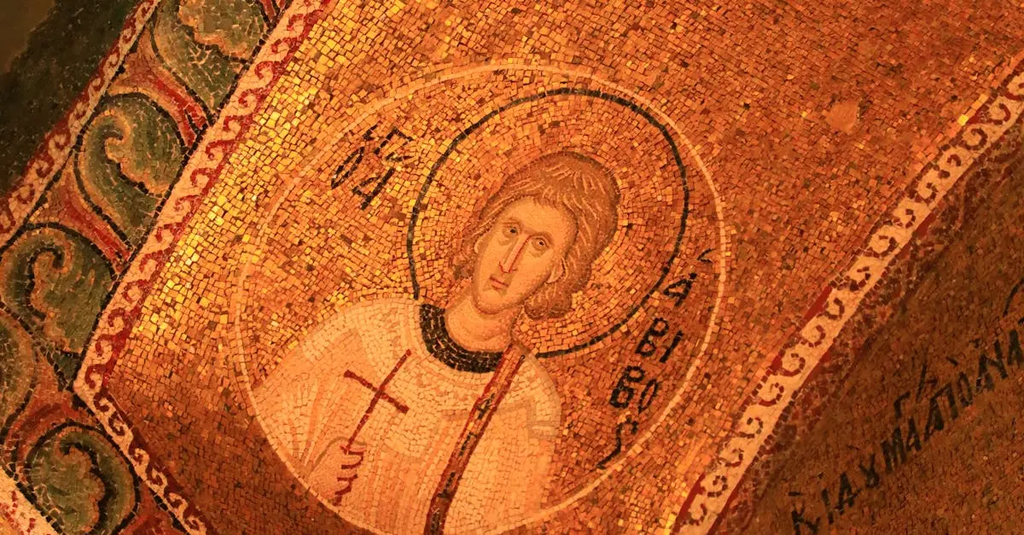
Byzantine mosaics are intricate artworks made from small pieces of colored glass, stone, or ceramic, arranged to create religious or decorative images. Flourishing between the 4th and 15th centuries in the Byzantine Empire, these mosaics adorned churches, basilicas, and public buildings. Renowned for their vivid colors, gold backgrounds, and spiritual themes, Byzantine mosaics played a vital role in religious expression, storytelling, and the visual splendor of Byzantine architecture.
Byzantine Mosaics
Byzantine mosaics are intricate artworks made from small pieces of colored glass, stone, or ceramic, arranged to create religious or decorative images. Flourishing between the 4th and 15th centuries in the Byzantine Empire, these mosaics adorned churches, basilicas, and public buildings. Renowned for their vivid colors, gold backgrounds, and spiritual themes, Byzantine mosaics played a vital role in religious expression, storytelling, and the visual splendor of Byzantine architecture.
💡 Key Takeaways
- Identify Byzantine mosaics: materials (tesserae) and the tessellation technique used to form images.
- Understand the historical context (4th–15th centuries) and typical sites (churches, basilicas, public buildings).
- Recognize stylistic features such as gold backgrounds, luminous surfaces, and frontal religious figures.
- Explain how mosaics were created, installed, preserved, and their role in liturgy and symbolism.
❓ Frequently Asked Questions
What are Byzantine mosaics?
Byzantine mosaics are artworks made from tiny pieces (tesserae) of colored glass, stone, or ceramic arranged to create religious or decorative images, common in the Byzantine Empire from the 4th to the 15th century.
What materials and techniques are typical of Byzantine mosaics?
They use tesserae set into lime plaster with mortar, often incorporating gold glass to produce luminous backgrounds that define sacred spaces.
When and where did Byzantine mosaics flourish?
They flourished roughly from the 4th to the 15th century across the Byzantine Empire, with famous works in Constantinople (Hagia Sophia), Ravenna, and other churches.
What themes and visual style characterize Byzantine mosaics?
Common themes include Christ, the Virgin Mary, saints, and biblical scenes; styles feature frontal, elongated figures and rich gold backgrounds that create a spiritual, otherworldly effect.
How do Byzantine mosaics differ from earlier Roman or later medieval mosaics?
They emphasize spiritual symbolism and gold-ground backgrounds with more stylized figures, whereas earlier Roman mosaics favored naturalistic narratives and later medieval works varied regionally.