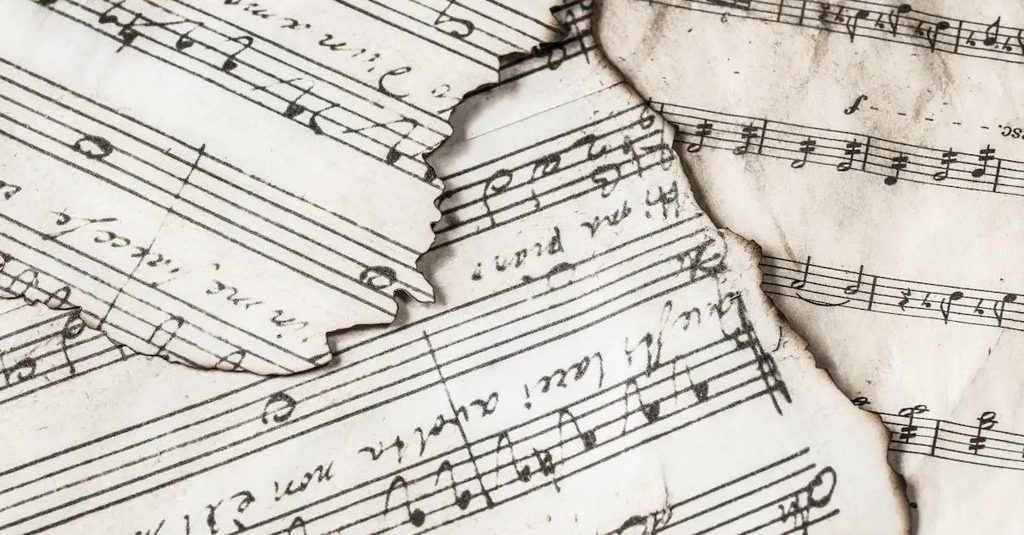
Calligraphy and manuscripts refer to the art of beautiful handwriting and the handwritten documents created using this skill. Calligraphy involves stylized, decorative lettering often used for formal texts, while manuscripts are original texts written by hand before the invention of printing. Together, they represent a rich tradition of artistic expression and historical record-keeping, reflecting cultural, religious, and literary heritage through visually appealing script and intricate designs.
Calligraphy and Manuscripts
Calligraphy and manuscripts refer to the art of beautiful handwriting and the handwritten documents created using this skill. Calligraphy involves stylized, decorative lettering often used for formal texts, while manuscripts are original texts written by hand before the invention of printing. Together, they represent a rich tradition of artistic expression and historical record-keeping, reflecting cultural, religious, and literary heritage through visually appealing script and intricate designs.
💡 Key Takeaways
- Differentiate calligraphy as decorative handwriting from manuscripts as handwritten texts.
- Identify common tools and materials used in traditional calligraphy and manuscript production.
- Explore regional and historical styles of calligraphy (e.g., Islamic, East Asian, medieval European).
- Understand how manuscripts preserved knowledge before printing and how printing changed manuscript culture.
- Recognize how aesthetics and function shape calligraphy and manuscript design in art history.
❓ Frequently Asked Questions
What is calligraphy?
The art of beautiful, stylized handwriting created with deliberate, controlled strokes to produce expressive letterforms.
What is a manuscript, and how does it differ from printed books?
A manuscript is a text written by hand before the printing press; it is often unique and may be decorated, whereas printed books are produced in multiple copies.
What materials and tools are used in traditional calligraphy and manuscript work?
Quills or dip pens, brushes or reed pens, inks and pigments, parchment or paper, and in illuminated manuscripts, gold leaf and decorative pigments.
What is manuscript illumination and why is it important?
Illumination adds decorative initials, borders, and miniature paintings, showcasing artistry and cultural context, and often signaling importance or status.