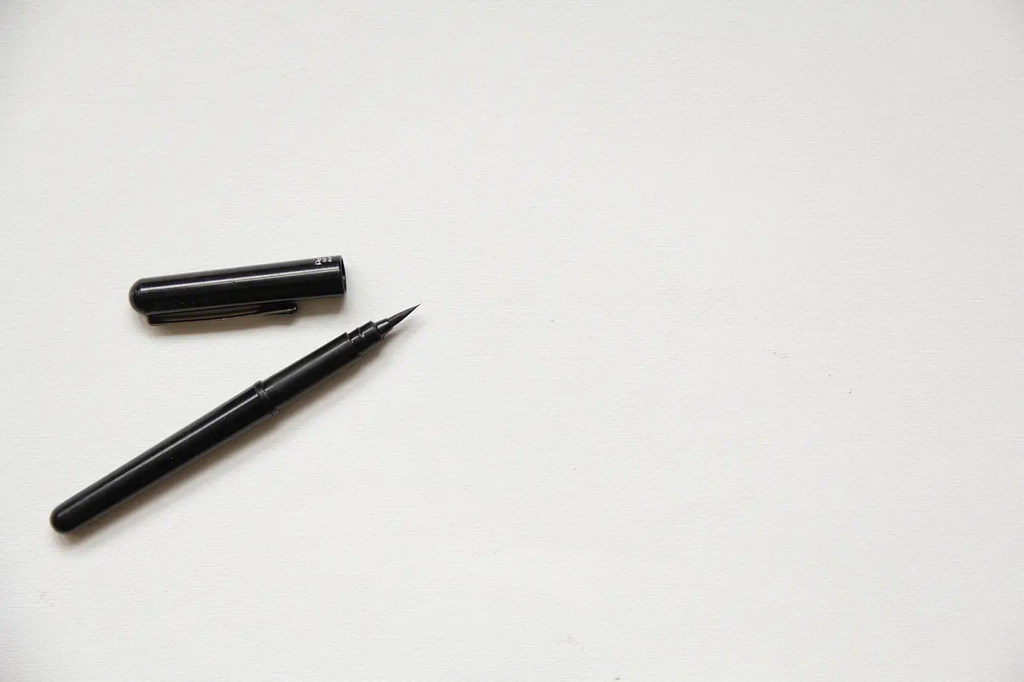
Calligraphy scripts across cultures represent the artistic and expressive writing styles developed in various regions worldwide. Each culture, such as Chinese, Arabic, and Western traditions, has distinct calligraphic forms reflecting its language, history, and aesthetics. These scripts are not only methods of communication but also revered art forms, often used in religious texts, official documents, and decorative works, showcasing the beauty and diversity of written expression throughout human civilization.
Calligraphy Scripts Across Cultures
Calligraphy scripts across cultures represent the artistic and expressive writing styles developed in various regions worldwide. Each culture, such as Chinese, Arabic, and Western traditions, has distinct calligraphic forms reflecting its language, history, and aesthetics. These scripts are not only methods of communication but also revered art forms, often used in religious texts, official documents, and decorative works, showcasing the beauty and diversity of written expression throughout human civilization.
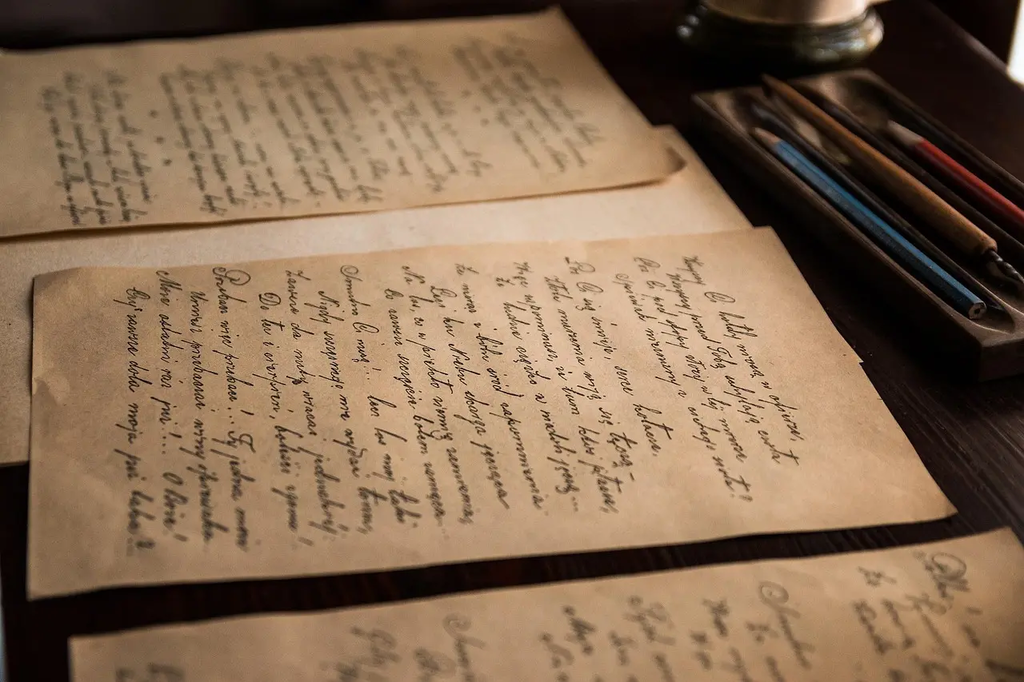
💡 Key Takeaways
- Identify key features of major calligraphy traditions (Chinese, Arabic, Western Latin) and their main tools.
- Explain how language structure, script direction, and character shapes influence strokes and layout.
- Understand calligraphy's historical and cultural roles as art and craft across different regions.
- Explore how traditional calligraphy informs contemporary design and cross-cultural practice.
❓ Frequently Asked Questions
What is calligraphy and how does it differ from ordinary handwriting?
Calligraphy is the art of expressively forming letters with deliberate strokes and rhythm, using specialized tools. It emphasizes beauty, balance, and technique, unlike everyday handwriting which prioritizes speed and legibility.
What are some distinctive features of Chinese, Arabic, and Western calligraphy traditions?
Chinese calligraphy centers on brushwork and stroke order to create fluid characters; Arabic calligraphy focuses on stylized letter shapes and ornate compositions using a reed pen; Western calligraphy develops Latin scripts with formal nib-based styles like Carolingian, Gothic, and italic.
What tools are commonly used in these traditions?
Chinese—brush and ink on paper; Arabic—reed qalam and ink; Western—nib pens with ink on parchment or paper; other essentials include ink, paper, and inkstones or holders.
Why do calligraphy scripts matter in culture?
They reflect language, history, and aesthetics: form and technique encode linguistic structure, tradition, religious or scholarly values, and a cultural sense of beauty.