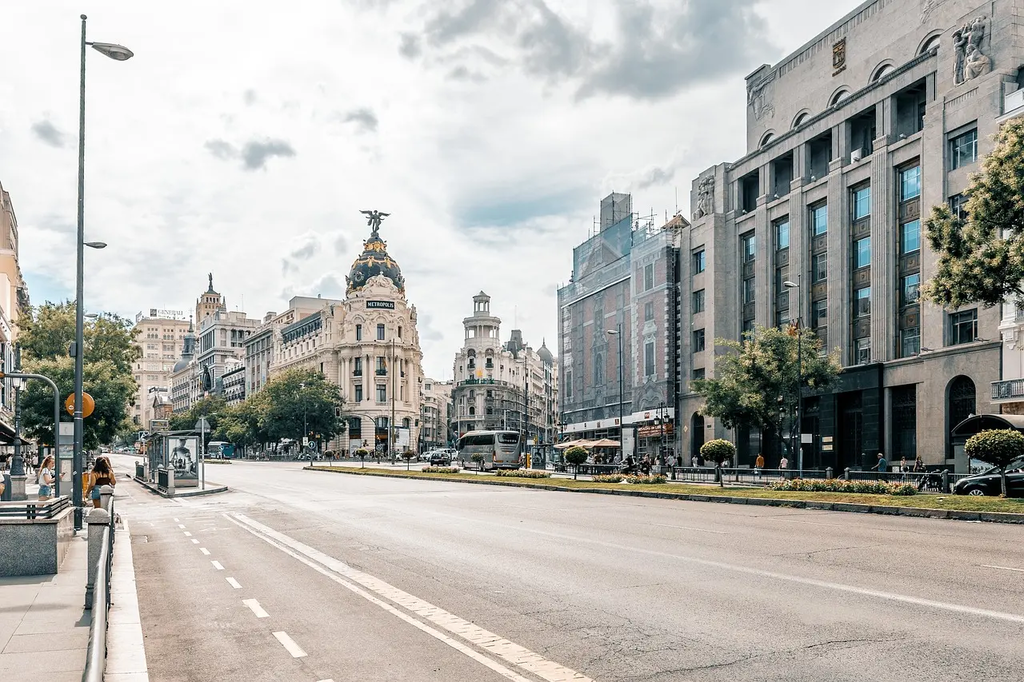
Capitals and air quality challenges refer to the environmental issues that major cities, often national capitals, face due to high population density, increased vehicle emissions, industrial activities, and rapid urbanization. These factors contribute to air pollution, resulting in health risks, reduced visibility, and environmental degradation. Addressing these challenges requires coordinated policies, investment in clean technologies, and public awareness to improve air quality and ensure sustainable urban living in capital cities.
Capitals and Air Quality Challenges
Capitals and air quality challenges refer to the environmental issues that major cities, often national capitals, face due to high population density, increased vehicle emissions, industrial activities, and rapid urbanization. These factors contribute to air pollution, resulting in health risks, reduced visibility, and environmental degradation. Addressing these challenges requires coordinated policies, investment in clean technologies, and public awareness to improve air quality and ensure sustainable urban living in capital cities.
💡 Key Takeaways
- Understand how high population density and rapid urbanization in capitals contribute to elevated air pollution levels.
- Identify the main sources of urban air pollution in capitals, including vehicle emissions, industry, and construction.
- Learn common air quality metrics (PM2.5, PM10, NO2, O3, AQI) and what they indicate about health risks.
- Recognize the health impacts of polluted air and which groups are most vulnerable.
- Explore effective strategies to reduce air pollution in capitals, such as cleaner transport, emission controls, and expanded green spaces.
❓ Frequently Asked Questions
What factors contribute to air quality challenges in capitals?
High population density, more vehicles, industrial activity, and rapid urbanization increase emissions and pollutants, lowering air quality.
Why are national capitals particularly affected by air pollution?
They concentrate people, transport, and industry—leading to high traffic, construction, and energy use, which emit pollutants more than other areas.
What health risks are linked to polluted urban air?
Exposure can worsen asthma and heart/lung diseases and raise the risk of respiratory infections and other health problems.
What pollutants are commonly found in city air?
Common pollutants include PM2.5/PM10, NO2, O3, and sulfur dioxide from vehicles, industry, and burning fuels.
What strategies can help reduce air pollution in capitals?
Improve public transit, promote cleaner vehicles and fuels, enforce industrial emissions standards, increase green spaces, and plan urban growth to reduce congestion.