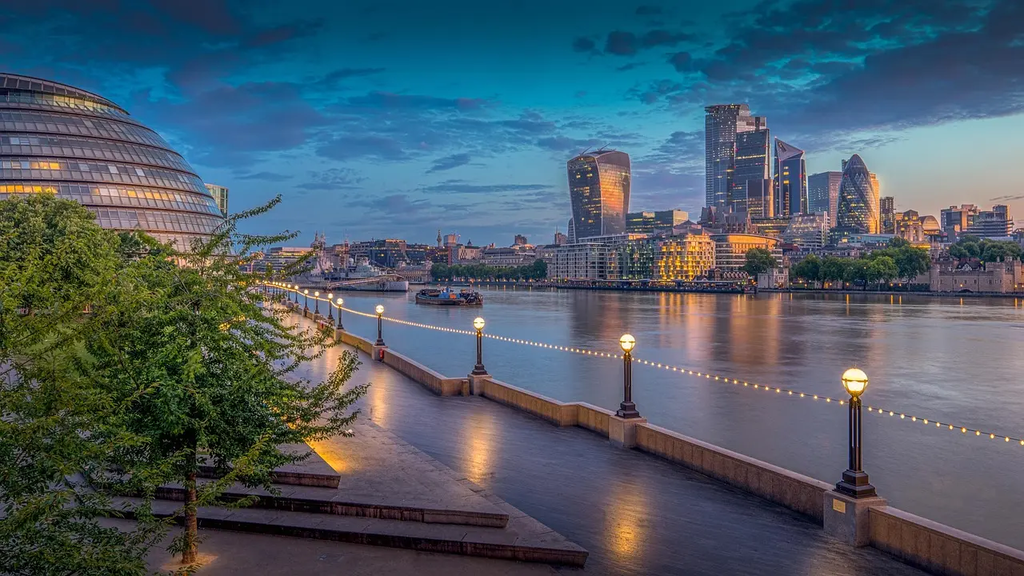
"Capitals on Rivers: World Edition" refers to the phenomenon where major capital cities around the globe are situated on the banks of significant rivers. This strategic placement historically provided advantages such as access to water, trade routes, transportation, and fertile land. Examples include London on the Thames, Cairo on the Nile, and Paris on the Seine. The phrase highlights the global pattern of capitals leveraging rivers for economic growth and urban development.
Capitals on Rivers: World Edition
"Capitals on Rivers: World Edition" refers to the phenomenon where major capital cities around the globe are situated on the banks of significant rivers. This strategic placement historically provided advantages such as access to water, trade routes, transportation, and fertile land. Examples include London on the Thames, Cairo on the Nile, and Paris on the Seine. The phrase highlights the global pattern of capitals leveraging rivers for economic growth and urban development.

💡 Key Takeaways
- Identify world capitals situated on major rivers and name the river they sit on.
- Explain the historical advantages of river siting for capitals (water access, trade routes, transportation, defense).
- Recognize patterns in how river systems have influenced capital locations across continents.
- Assess how a river location shapes modern urban planning, logistics, flood risk, and economic activity in capitals.
❓ Frequently Asked Questions
What is the concept behind Capitals on Rivers in this article?
It refers to world capital cities that sit along significant rivers, highlighting how water access, trade routes, and transportation helped shape their founding and growth.
Why were capitals often placed on rivers historically?
Rivers provided water supplies, reliable transport and trade routes, fertile land for agriculture, and strategic advantages for defense and governance.
Which are some well-known capitals located on major rivers?
London (Thames), Paris (Seine), Cairo (Nile), Rome (Tiber), Moscow (Moskva), Vienna (Danube), and Bangkok (Chao Phraya).
How do rivers influence a capital's development beyond trade?
They supply water for residents and agriculture, enable transport of people and goods, facilitate cultural exchange, and offer strategic proximity for defense and administration.