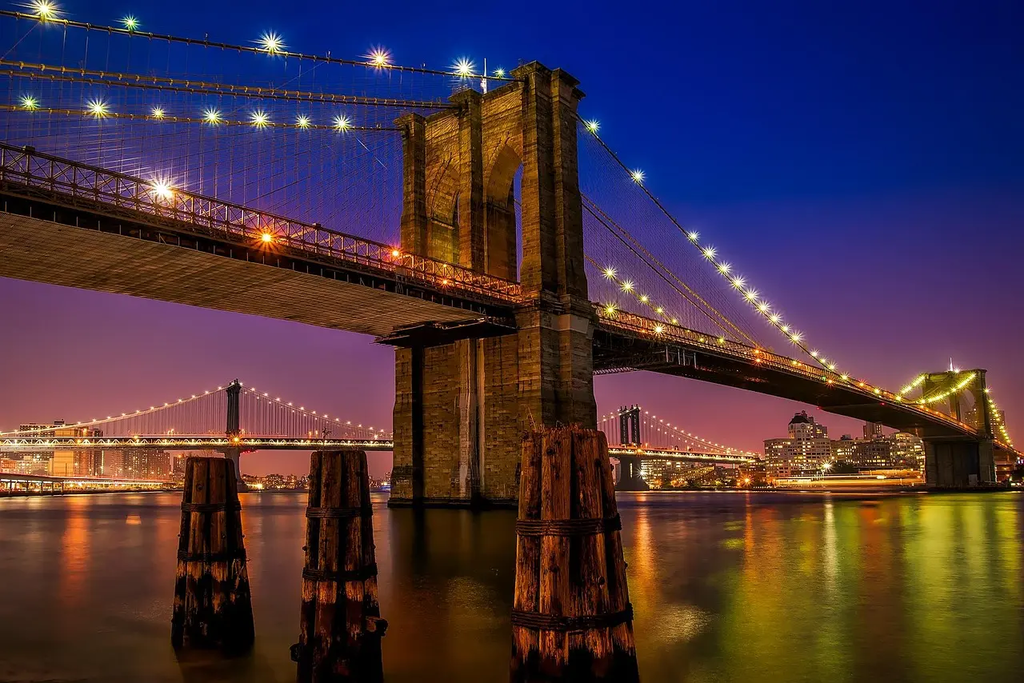
Capitals with iconic bridges and waterfronts are cities where majestic rivers or coastlines define the landscape, often featuring historic or architecturally significant bridges. These landmarks not only serve as vital transportation links but also symbolize the city’s identity. The waterfronts bustle with cultural activities, scenic promenades, and vibrant nightlife, making them focal points for both locals and tourists. Such capitals blend natural beauty with urban sophistication, offering picturesque views and memorable experiences.
Capitals with Iconic Bridges and Waterfronts
Capitals with iconic bridges and waterfronts are cities where majestic rivers or coastlines define the landscape, often featuring historic or architecturally significant bridges. These landmarks not only serve as vital transportation links but also symbolize the city’s identity. The waterfronts bustle with cultural activities, scenic promenades, and vibrant nightlife, making them focal points for both locals and tourists. Such capitals blend natural beauty with urban sophistication, offering picturesque views and memorable experiences.
💡 Key Takeaways
- Understand how rivers or coastlines shape the layout and waterfront zones of capital cities.
- Identify iconic bridges and waterfront landmarks that define these capitals and their architectural styles.
- Explain how bridges function as essential transportation links and as symbols of a city's identity.
- Explore how waterfronts influence tourism, economy, and urban planning in capitals.
❓ Frequently Asked Questions
What defines a capital city with iconic bridges and waterfronts?
A capital whose geography includes a major river or coastline and a landmark bridge or waterfront that is widely recognized as a city symbol and central to transport and identity.
Can you name examples of capitals known for iconic bridges and waterfronts?
Examples include London (Tower Bridge on the Thames), Paris (bridges along the Seine), Budapest (Chain Bridge on the Danube), Prague (Charles Bridge on the Vltava), Lisbon (25 de Abril Bridge on the Tagus), and Singapore (Marina Bay area).
How can you identify a capital's waterfront landmark in a quiz clue?
Look for references to a famous river or coast along with a renowned bridge or waterfront feature that symbolizes the city.
Why are bridges and waterfronts important to a city’s identity?
They connect neighborhoods, enable transport, and become enduring symbols of history, architecture, and culture that attract locals and visitors.