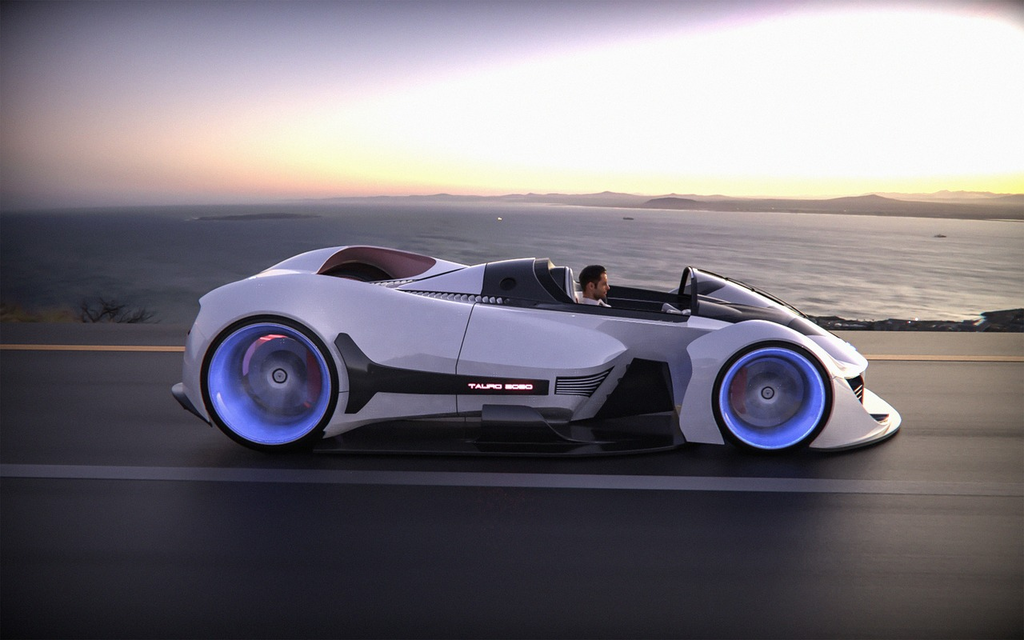
Car design innovations in travel rides, including cars and planes, focus on enhancing efficiency, safety, and user experience. Advancements such as aerodynamic shapes, lightweight materials, and electric propulsion systems have revolutionized transportation. Features like autonomous driving, smart connectivity, and adaptive interiors offer greater comfort and convenience. In aviation, streamlined designs and sustainable fuels contribute to greener travel. These innovations collectively shape the future of mobility, making journeys faster, safer, and more environmentally friendly.
Car Design Innovations
Car design innovations in travel rides, including cars and planes, focus on enhancing efficiency, safety, and user experience. Advancements such as aerodynamic shapes, lightweight materials, and electric propulsion systems have revolutionized transportation. Features like autonomous driving, smart connectivity, and adaptive interiors offer greater comfort and convenience. In aviation, streamlined designs and sustainable fuels contribute to greener travel. These innovations collectively shape the future of mobility, making journeys faster, safer, and more environmentally friendly.
💡 Key Takeaways
- How modern car design uses aerodynamics to improve efficiency and performance
- The role of lightweight materials and modular platforms in safety and efficiency
- How electric powertrains and battery packaging shape vehicle architecture
- How autonomous driving tech and advanced driver-assistance systems influence interior layout and controls
❓ Frequently Asked Questions
What counts as a car design innovation?
A new approach or technology that improves efficiency, safety, performance, comfort, or sustainability in a car’s design, such as aerodynamics, materials, or powertrains.
How do lightweight materials influence car design?
They reduce overall weight to boost efficiency and performance, but require different manufacturing methods and can affect cost and durability.
Why is aerodynamics central to car design innovations?
Smoother shapes and active aero reduce drag and lift, increasing efficiency, range for EVs, stability, and fuel economy.
How has electrification changed car design?
Battery placement and thermal management drive new architectures, affect weight distribution and packaging, and enable new platform designs.