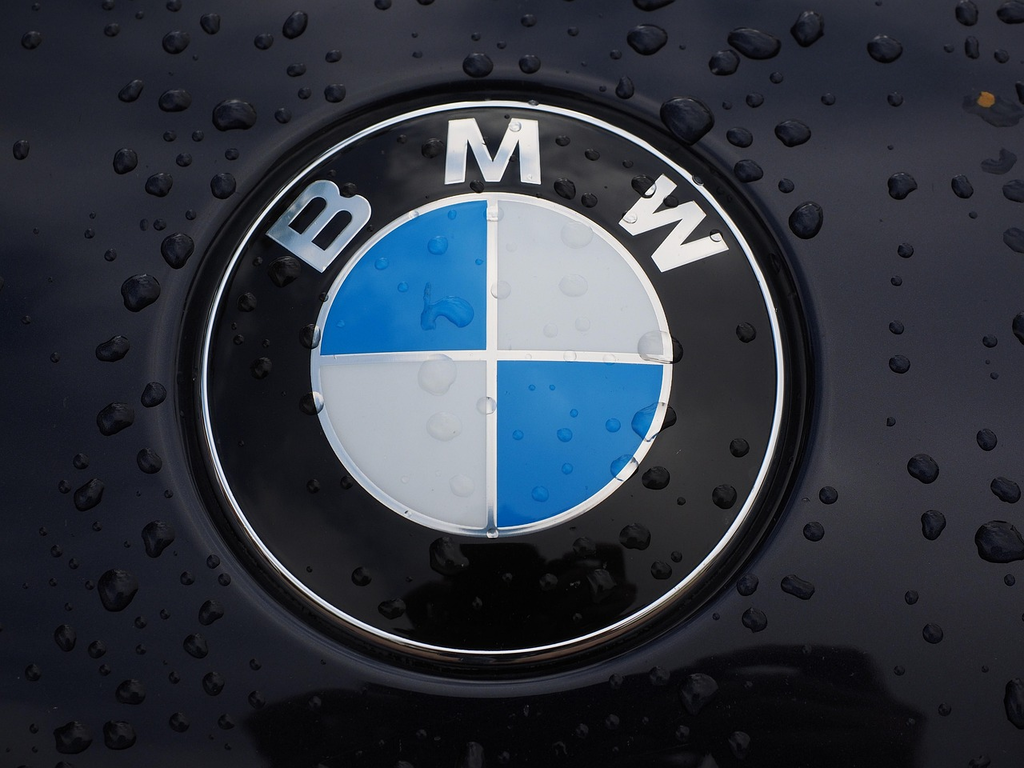
Car logo design trends reflect a blend of modern minimalism and timeless luxury. Many brands are shifting towards sleek, simplified logos with clean lines and monochrome palettes, emphasizing sophistication and versatility across digital platforms. Luxury car logos often incorporate metallic finishes, bold typography, and subtle 3D effects to convey prestige and exclusivity. These trends aim to reinforce brand identity while appealing to contemporary aesthetics and evolving consumer preferences.
Car Logo Design Trends
Car logo design trends reflect a blend of modern minimalism and timeless luxury. Many brands are shifting towards sleek, simplified logos with clean lines and monochrome palettes, emphasizing sophistication and versatility across digital platforms. Luxury car logos often incorporate metallic finishes, bold typography, and subtle 3D effects to convey prestige and exclusivity. These trends aim to reinforce brand identity while appealing to contemporary aesthetics and evolving consumer preferences.
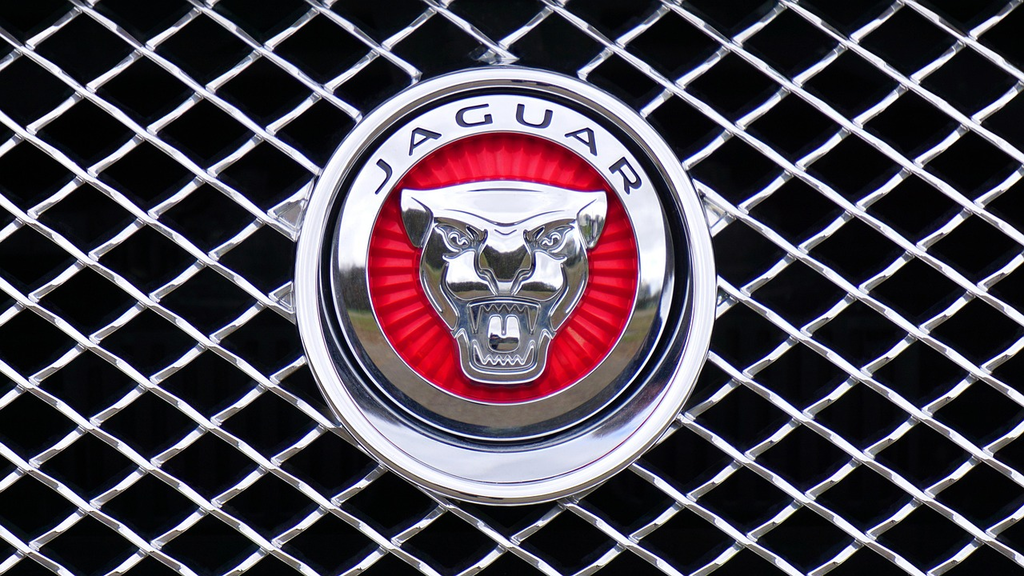
💡 Key Takeaways
- Understand why car logos are trending toward minimalist, flat designs for scalability across digital platforms.
- Learn how geometric shapes, symmetry, and negative space affect brand recognition in modern car emblems.
- Explore how color choices (monochrome, metallics, gradients) signal innovation, luxury, or reliability in logo design.
- See how traditional motifs (wings, shields, and letters) are simplified or abstracted to balance heritage with contemporary aesthetics.
❓ Frequently Asked Questions
What is a car logo, and what does it symbolize?
A car logo is the brand emblem (and often a wordmark) used to identify a car company; it conveys brand personality and helps with quick recognition.
What are the main trends in car logo design today?
Trends include minimalist flat marks, geometric shapes, clean lines, use of negative space, limited color palettes, and logos designed to be scalable for both digital and print.
Why do car logos favor simple shapes and limited colors?
Simple shapes and restricted colors improve legibility at small sizes, ensure consistent reproduction, and create a timeless, recognizable look.
How do color choices influence the perception of a car logo?
Colors convey brand values: black/metallics for luxury, red for performance, blue for reliability, and muted tones for sophistication or eco-friendly brands.
Why are symmetry and emblem shapes common in car logos?
Symmetry creates balance and strength, while emblem shapes feel premium and memorable; both reproduce well across sizes and backgrounds.