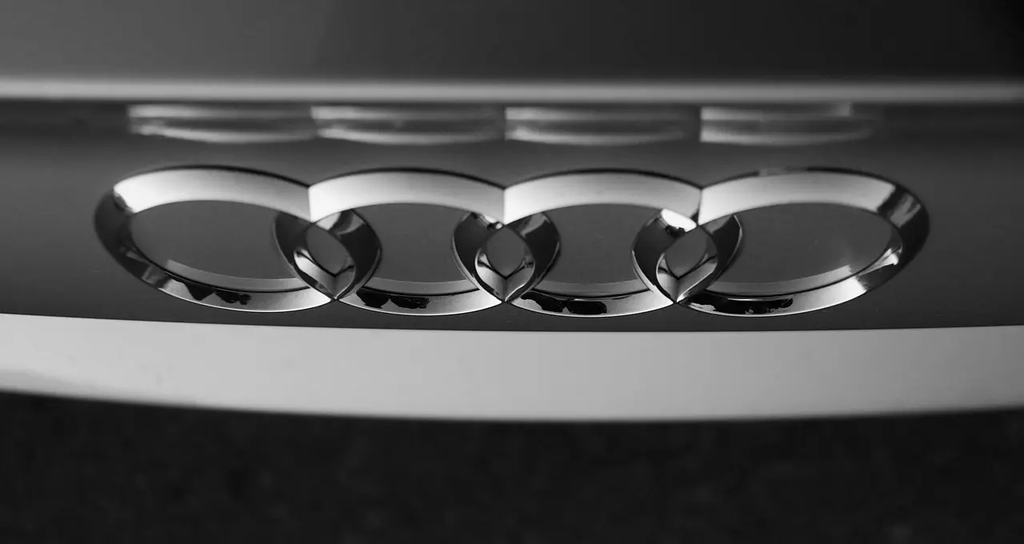
Car logos play a crucial role in brand positioning, especially in the luxury segment. These symbols are carefully designed to convey prestige, heritage, and exclusivity, helping differentiate premium brands from mainstream competitors. Iconic logos like Mercedes-Benz’s three-pointed star or Rolls-Royce’s double R instantly evoke a sense of luxury, quality, and status. Ultimately, the logo becomes a visual shorthand for the brand’s values and aspirational appeal.
Car Logos and Brand Positioning
Car logos play a crucial role in brand positioning, especially in the luxury segment. These symbols are carefully designed to convey prestige, heritage, and exclusivity, helping differentiate premium brands from mainstream competitors. Iconic logos like Mercedes-Benz’s three-pointed star or Rolls-Royce’s double R instantly evoke a sense of luxury, quality, and status. Ultimately, the logo becomes a visual shorthand for the brand’s values and aspirational appeal.

💡 Key Takeaways
- Understand how car logos communicate brand positioning (luxury, performance, safety) through shape, color, and symbolism.
- Identify common logo elements (shields, wings, animals, abstract marks) and what they signal about the brand promise.
- Analyze how logo design choices reflect a target audience and the brand's value proposition.
- Learn how logo updates or rebranding mirror shifts in market strategy and consumer trends.
- Compare logos across car segments to see how branding strategies differ between luxury, mainstream, and eco-friendly lines.
❓ Frequently Asked Questions
What does brand positioning mean in the context of car logos?
Brand positioning is how a brand wants to be perceived relative to competitors; logos convey that position through shape, color, and typography (e.g., luxury, sport, reliability).
How can a car logo reflect a brand’s target audience?
Design cues like crest shapes, streamlined lines, or rugged motifs signal different audiences, such as luxury buyers, performance enthusiasts, or family-focused customers.
What visual elements in car logos commonly signal luxury versus affordability?
Luxury logos use simple, symmetrical shapes and premium finishes; affordable brands often employ bolder type, brighter colors, and more straightforward design.
Can a logo update indicate a shift in brand positioning?
Yes. A logo refresh can signal changes like modernization, sustainability, or a new market focus while retaining recognizable elements.
How do color choices influence brand positioning in car logos?
Colors evoke feelings (blue for trust, red for energy, black for luxury); brands choose palettes to align with their desired image and audience.