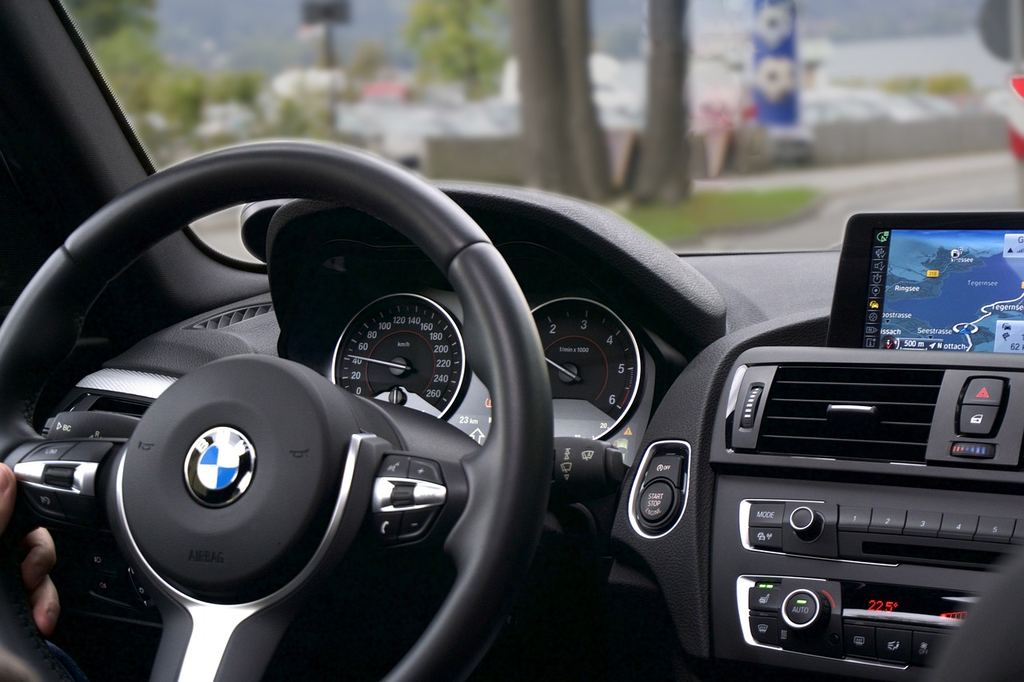
Car logos are powerful marketing tools that symbolize a brand’s identity, values, and prestige. In the luxury automotive sector, logos such as Mercedes-Benz’s three-pointed star or Rolls-Royce’s double R evoke exclusivity, quality, and heritage. These distinctive emblems not only differentiate brands in a competitive market but also create emotional connections with consumers, reinforcing perceptions of status and luxury through consistent visual representation in advertising and on the vehicles themselves.
Car Logos and Marketing
Car logos are powerful marketing tools that symbolize a brand’s identity, values, and prestige. In the luxury automotive sector, logos such as Mercedes-Benz’s three-pointed star or Rolls-Royce’s double R evoke exclusivity, quality, and heritage. These distinctive emblems not only differentiate brands in a competitive market but also create emotional connections with consumers, reinforcing perceptions of status and luxury through consistent visual representation in advertising and on the vehicles themselves.
💡 Key Takeaways
- Recognize how car logos convey brand identity, values, and market positioning at a glance.
- Describe how logo design elements—color, shape, and typography—influence recognition and consumer trust.
- Explain how car logos evolve over time and what changes signal a brand’s strategic direction.
- Analyze how logo placement, co-branding, and campaigns reinforce consumer loyalty and perception.
❓ Frequently Asked Questions
What is the main purpose of a car logo in branding?
To identify the brand, convey its values, and help people recognize and remember the company.
What design elements are commonly found in car logos?
Simple shapes (circles, shields, crests), initials or symbols, and colors chosen to evoke performance, luxury, or reliability.
How can a logo influence marketing and consumer perception?
It signals brand personality, supports advertising, and helps differentiate a car maker from its competitors.
Why do car brands update or refresh their logos?
To stay modern, align with new products or technology, and appeal to new audiences while preserving heritage.