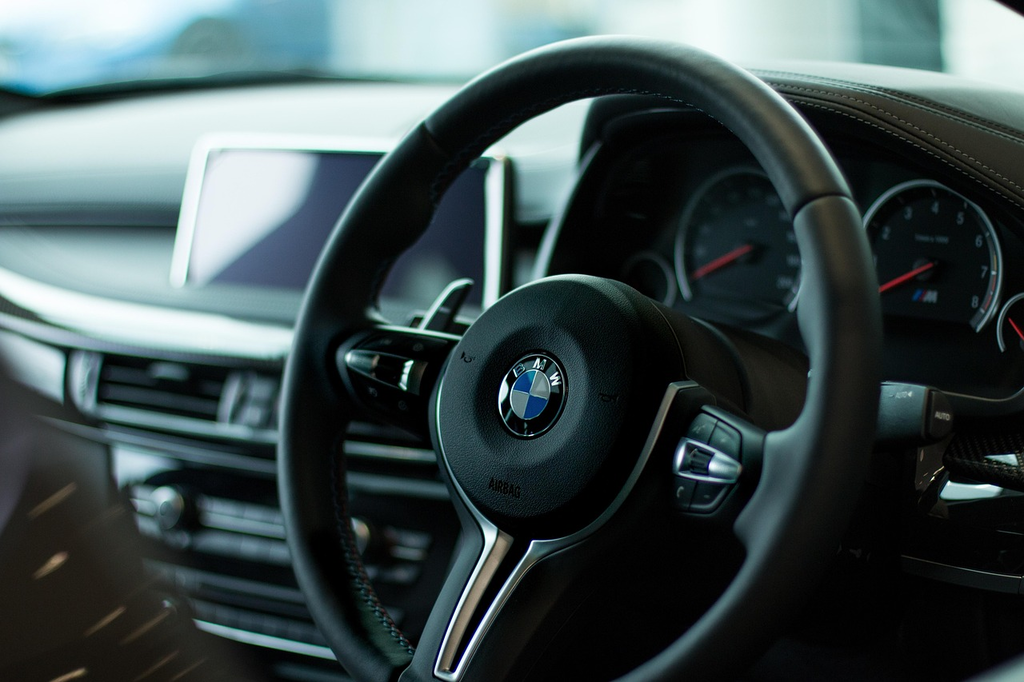
Luxury car brand positioning refers to how premium automotive brands strategically differentiate themselves in the market through exclusive features, superior performance, and refined aesthetics. Car logos play a crucial role in this process, serving as visual symbols of prestige, heritage, and quality. By associating their logos with luxury, these brands create strong emotional connections, reinforcing their reputation for craftsmanship, innovation, and status, ultimately appealing to discerning, affluent customers seeking exclusivity and excellence.
Luxury Car Brand Positioning
Luxury car brand positioning refers to how premium automotive brands strategically differentiate themselves in the market through exclusive features, superior performance, and refined aesthetics. Car logos play a crucial role in this process, serving as visual symbols of prestige, heritage, and quality. By associating their logos with luxury, these brands create strong emotional connections, reinforcing their reputation for craftsmanship, innovation, and status, ultimately appealing to discerning, affluent customers seeking exclusivity and excellence.
💡 Key Takeaways
- Understand the core pillars of luxury car brand positioning (heritage, craftsmanship, design, exclusivity, and price signaling).
- Identify the target customer segments for luxury brands and how positioning appeals to their aspirations.
- Analyze how product attributes (materials, finishing, performance, technology) and brand storytelling convey luxury.
- Explain the role of experiential marketing and premium ownership experiences in reinforcing luxury positioning.
❓ Frequently Asked Questions
What does brand positioning mean for luxury cars?
Brand positioning is how a luxury automaker aims to be perceived in the market, focusing on attributes like exclusivity, craftsmanship, performance, and service to stand out from competitors.
What elements contribute to a luxury car brand's positioning?
Elements include brand heritage and storytelling, design and materials, performance and technology, pricing strategy, and the dealership and after-sales experience.
How can you distinguish ultra-luxury from premium positioning?
Ultra-luxury emphasizes extreme exclusivity, bespoke options, limited editions, and concierge services; premium balances luxury with broader accessibility while maintaining high quality.
Who is the typical target customer for luxury car brand positioning?
Affluent buyers seeking prestige, craftsmanship, and a differentiated ownership experience beyond basic transportation.