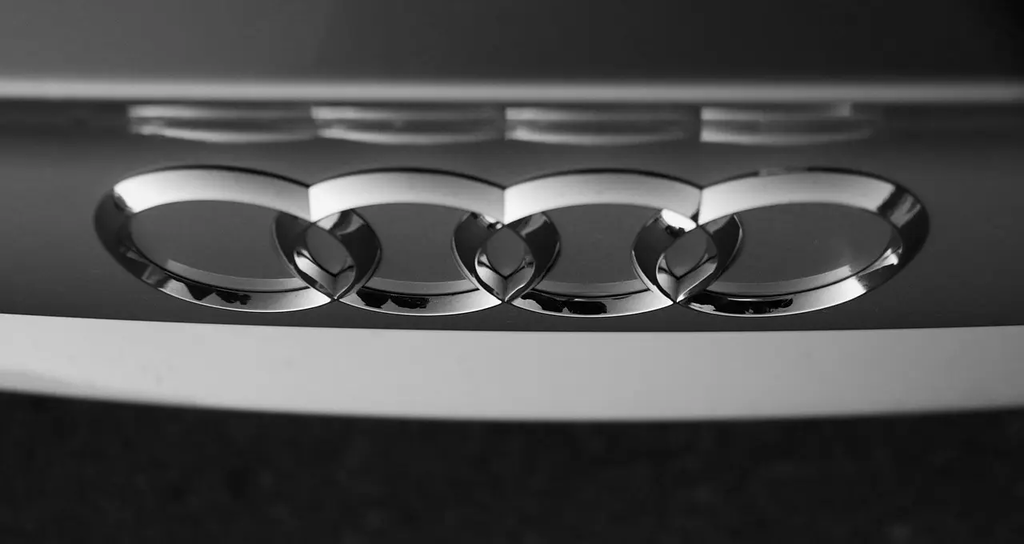
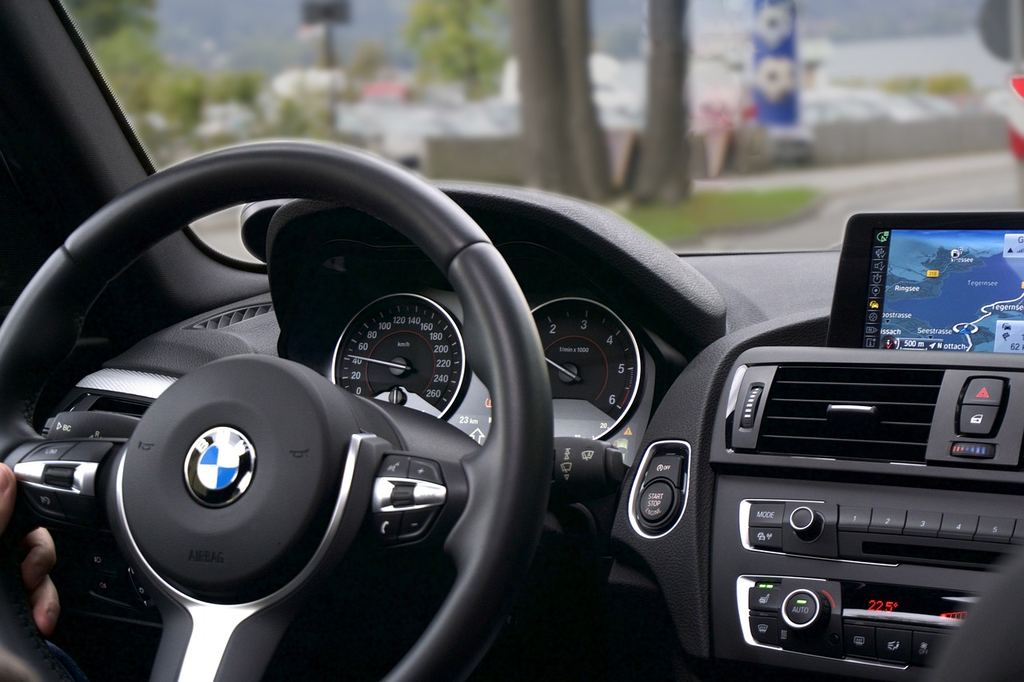
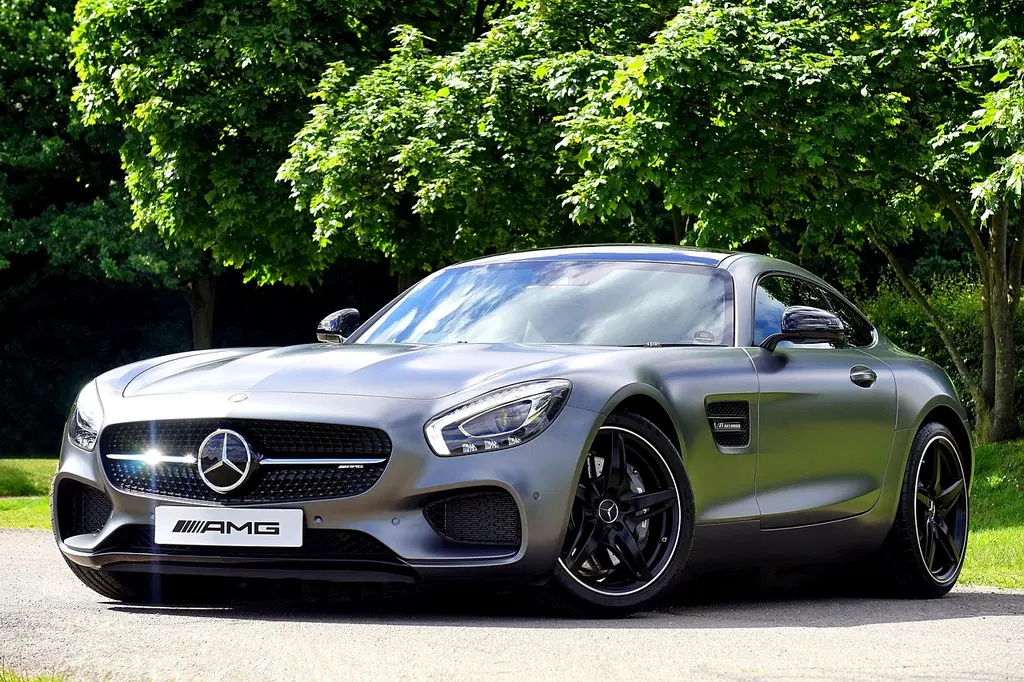
The luxury car market is characterized by evolving trends such as increased demand for electric vehicles, advanced technology integration, and personalized features. Iconic car logos like Mercedes-Benz, BMW, and Audi symbolize status and quality, attracting affluent buyers. Emerging markets, sustainability concerns, and digital experiences are shaping consumer preferences. Luxury brands are also focusing on innovative design, connectivity, and exclusive services to maintain their appeal and distinguish themselves in a competitive landscape.
Luxury Car Market Trends
The luxury car market is characterized by evolving trends such as increased demand for electric vehicles, advanced technology integration, and personalized features. Iconic car logos like Mercedes-Benz, BMW, and Audi symbolize status and quality, attracting affluent buyers. Emerging markets, sustainability concerns, and digital experiences are shaping consumer preferences. Luxury brands are also focusing on innovative design, connectivity, and exclusive services to maintain their appeal and distinguish themselves in a competitive landscape.
💡 Key Takeaways
- Identify the main drivers of luxury car demand (brand, tech, performance, customization).
- See how electrification and new powertrains are reshaping luxury lineups and prices.
- Compare regional luxury car trends across North America, Europe, and Asia-Pacific.
- Read market signals like sales growth, pricing, inventory, and residual values to gauge momentum.
❓ Frequently Asked Questions
What factors drive demand in the luxury car market?
Wealth growth, brand prestige, exclusive design, high performance, cutting‑edge tech, and limited supply boost demand for luxury cars.
How is the rise of electric vehicles reshaping luxury car market trends?
Luxury brands are expanding EV lineups, offering high‑performance electric models, while advances in battery tech and charging infrastructure boost demand and influence product cycles.
Why are residual values important when evaluating luxury cars?
Residual value shows how much a car is worth after use, affecting total ownership cost and influencing leasing decisions and model desirability.
Which regions most influence luxury car market trends?
Key regions include North America, Europe, and China, where regional preferences, incentives, and currency movements shape model mix and growth.