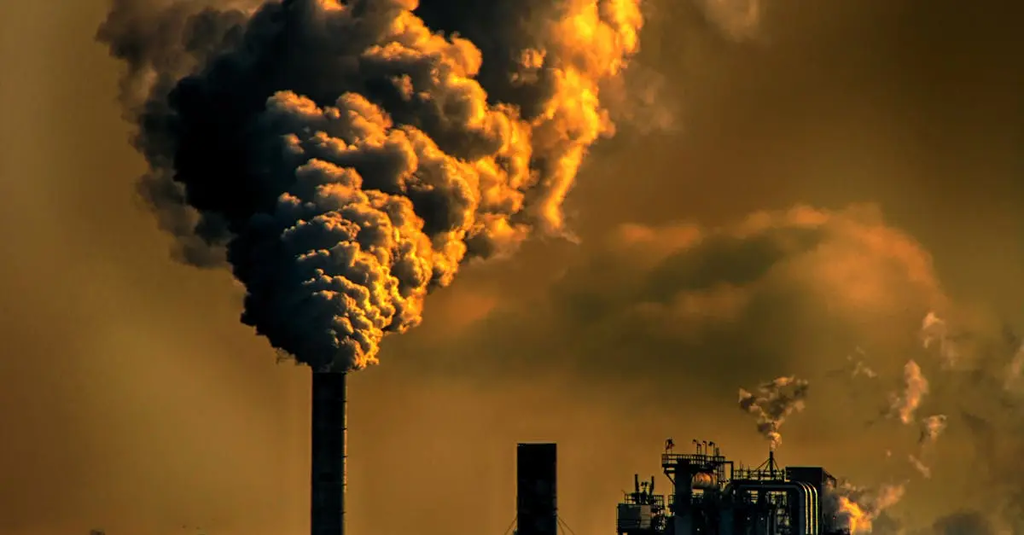
A carbon footprint is the total amount of greenhouse gases, primarily carbon dioxide, emitted directly or indirectly by an individual, organization, event, or product throughout its lifecycle. It measures the environmental impact of daily activities, such as transportation, energy use, and consumption of goods. Reducing one’s carbon footprint is essential for combating climate change and promoting sustainability by adopting energy-efficient practices and using renewable resources.
Carbon Footprint+50
A carbon footprint is the total amount of greenhouse gases, primarily carbon dioxide, emitted directly or indirectly by an individual, organization, event, or product throughout its lifecycle. It measures the environmental impact of daily activities, such as transportation, energy use, and consumption of goods. Reducing one’s carbon footprint is essential for combating climate change and promoting sustainability by adopting energy-efficient practices and using renewable resources.
💡 Key Takeaways
- Define carbon footprint and what it measures (greenhouse gas emissions across a lifecycle).
- Identify common sources in daily life, including transportation, energy use, and consumption.
- Understand direct vs indirect emissions and the basics of lifecycle assessment.
- Explore practical steps to reduce your carbon footprint through energy efficiency, low-emission transport, and mindful consumption.
❓ Frequently Asked Questions
What is a carbon footprint?
A carbon footprint is the total amount of greenhouse gases (measured as CO2e) emitted directly and indirectly by a person, organization, event, or product over its lifetime.
What activities contribute most to a carbon footprint?
Common contributors include transportation (driving, flying), energy use in buildings (electricity, heating), and the production and consumption of goods and food.
What are Scope 1, 2, and 3 emissions?
Scope 1: direct emissions from owned sources. Scope 2: indirect emissions from purchased energy. Scope 3: all other indirect emissions along a product’s or organization’s value chain.
How can I reduce my carbon footprint?
Improve energy efficiency, use low-emission transportation, eat more plant-based foods, reduce waste, and choose products with lower lifecycle emissions.