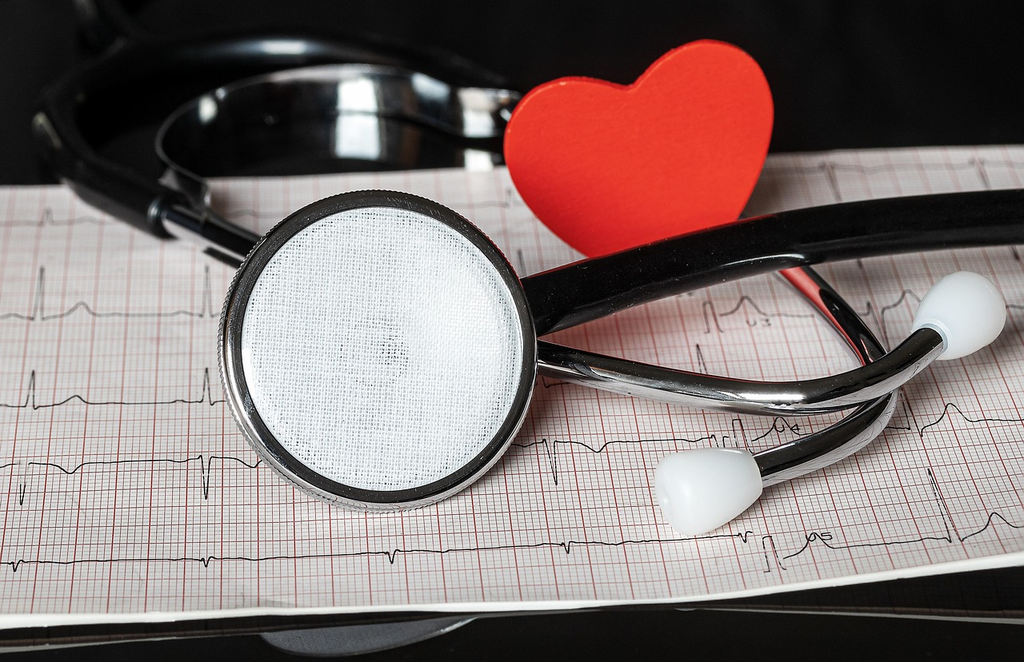
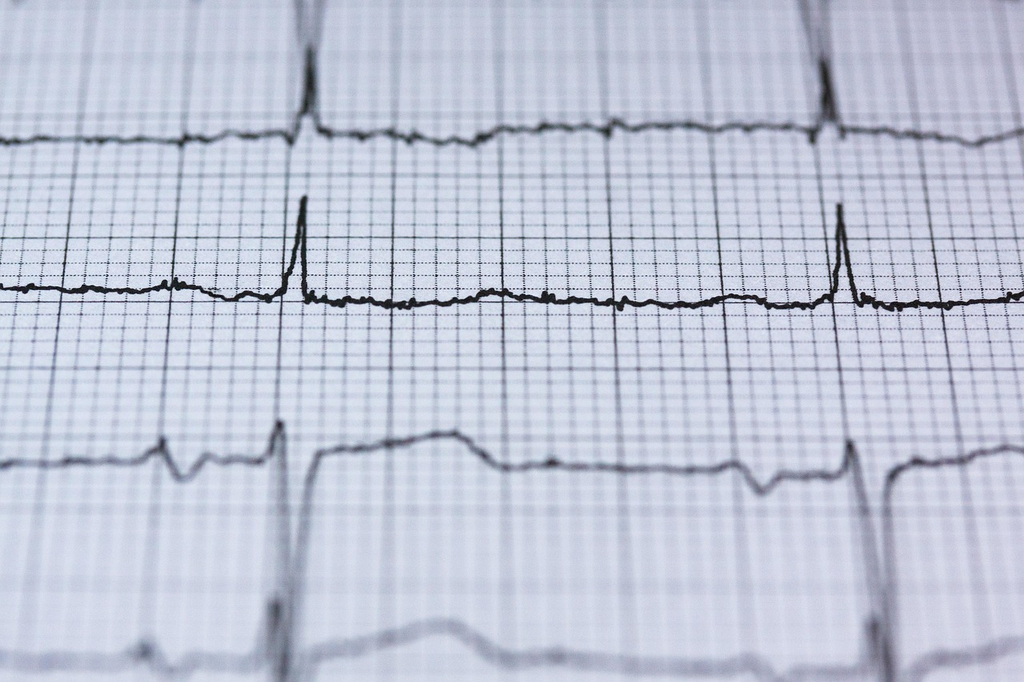
The cardiovascular system consists of the heart and blood vessels, responsible for circulating blood and delivering oxygen throughout the body. Body signals, especially from the eyes and heart, can indicate cardiovascular health. For instance, eye changes such as retinal vessel abnormalities may signal high blood pressure or diabetes, while heart symptoms like palpitations, chest pain, or shortness of breath can suggest underlying cardiac problems, stressing the importance of early detection and timely medical care.
Cardiovascular System Overview
The cardiovascular system consists of the heart and blood vessels, responsible for circulating blood and delivering oxygen throughout the body. Body signals, especially from the eyes and heart, can indicate cardiovascular health. For instance, eye changes such as retinal vessel abnormalities may signal high blood pressure or diabetes, while heart symptoms like palpitations, chest pain, or shortness of breath can suggest underlying cardiac problems, stressing the importance of early detection and timely medical care.

💡 Key Takeaways
- Understand how the heart and blood vessels work together to circulate blood and deliver oxygen
- Identify key cardiovascular health indicators that can show up in body signals, especially eye-related changes
- Recognize how retinal vessel abnormalities may be linked to cardiovascular conditions
- Learn why monitoring body signals from the eyes and heart can help support early cardiovascular risk detection
❓ Frequently Asked Questions
What does the cardiovascular system do?
It includes the heart and blood vessels and works to circulate blood, delivering oxygen and nutrients to the body.
How can the heart give signals about cardiovascular health?
Heart-related signals like abnormal heart rate, rhythm changes, or symptoms such as chest discomfort can indicate possible cardiovascular problems.
How are eye changes related to cardiovascular health?
Retinal blood vessels can reflect changes in blood flow and blood pressure; retinal vessel abnormalities may suggest underlying cardiovascular conditions.
Why are blood vessels important in this system?
Blood vessels carry blood throughout the body and help regulate circulation, which supports oxygen delivery and overall cardiovascular function.
What should someone do if they notice concerning eye or heart-related symptoms?
They should seek medical evaluation promptly, since eye and heart signals can help detect cardiovascular issues early.