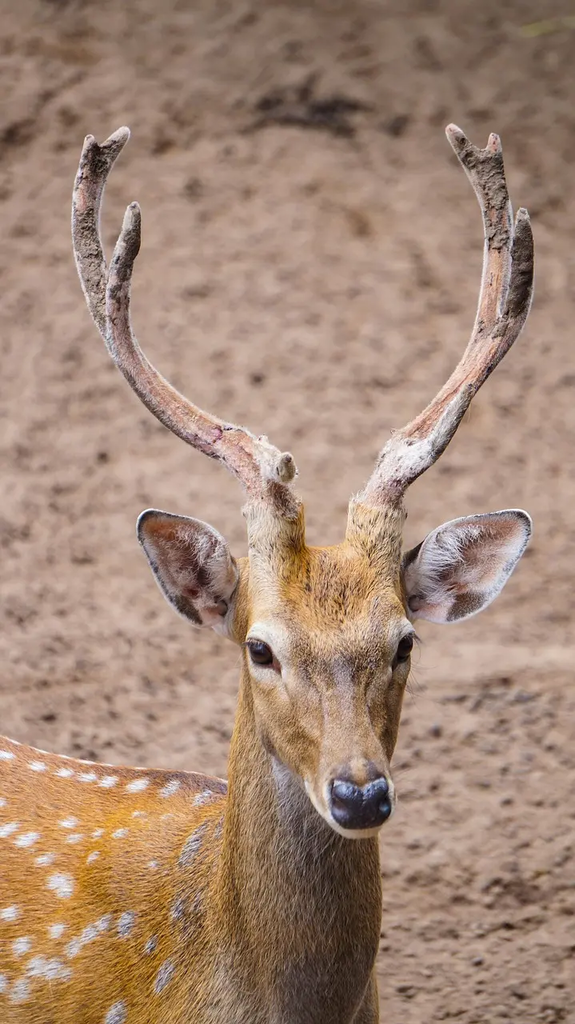
Carnivores, herbivores, and omnivores are categories within the animal kingdom based on dietary habits. Carnivores eat other animals, relying on meat for nutrition. Herbivores consume only plants, feeding on leaves, stems, and fruits. Omnivores eat both plants and animals, adapting to a varied diet. These classifications help scientists understand animal behavior, ecological roles, and how different species interact within ecosystems to maintain balance and biodiversity.
Carnivores, Herbivores, and Omnivores
Carnivores, herbivores, and omnivores are categories within the animal kingdom based on dietary habits. Carnivores eat other animals, relying on meat for nutrition. Herbivores consume only plants, feeding on leaves, stems, and fruits. Omnivores eat both plants and animals, adapting to a varied diet. These classifications help scientists understand animal behavior, ecological roles, and how different species interact within ecosystems to maintain balance and biodiversity.
💡 Key Takeaways
- Distinguish carnivores, herbivores, and omnivores by what they eat.
- Identify common animal examples for each diet type.
- Understand how teeth and digestion reflect dietary needs.
- Explore how these dietary groups shape ecosystems and food webs.
❓ Frequently Asked Questions
What is the difference between carnivores, herbivores, and omnivores?
Carnivores mainly eat meat; herbivores eat plants; omnivores eat both plants and animals.
Can you name an example of each dietary type?
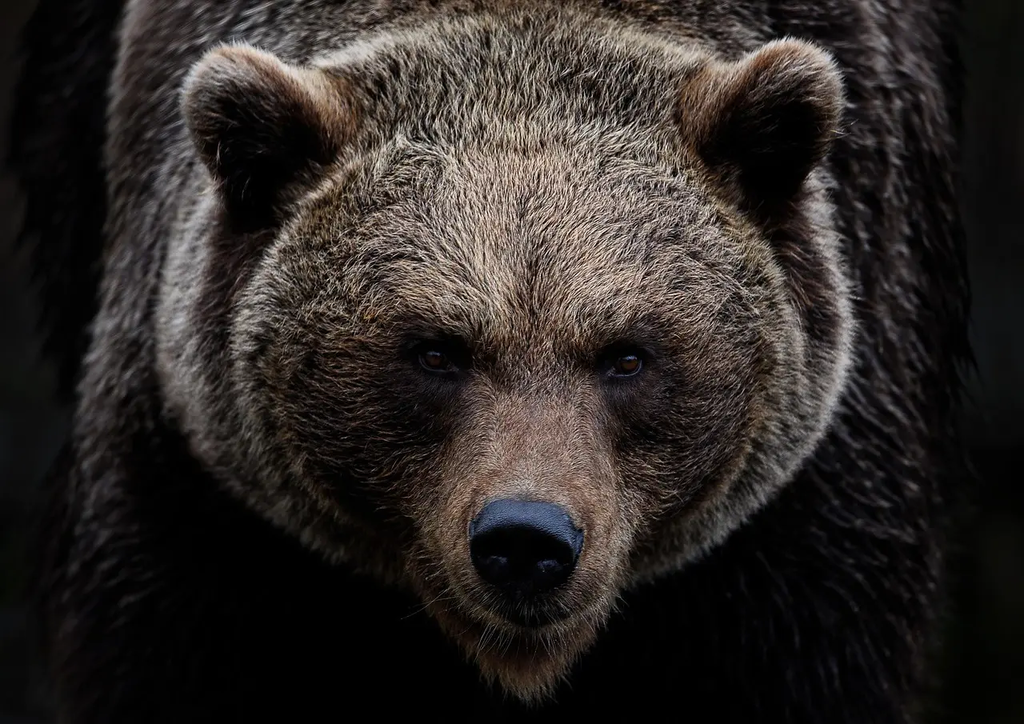
Carnivore: lion; Herbivore: rabbit; Omnivore: bear.
Do some animals switch diets or not fit neatly into one category?
Yes. Some species are opportunistic omnivores or dietary specialists that change with food availability.
How does diet affect an animal's teeth and digestion?
Carnivores have sharp teeth and short digestive tracts; herbivores have flat grinding teeth and longer fermentation; omnivores have a mix to handle both foods.