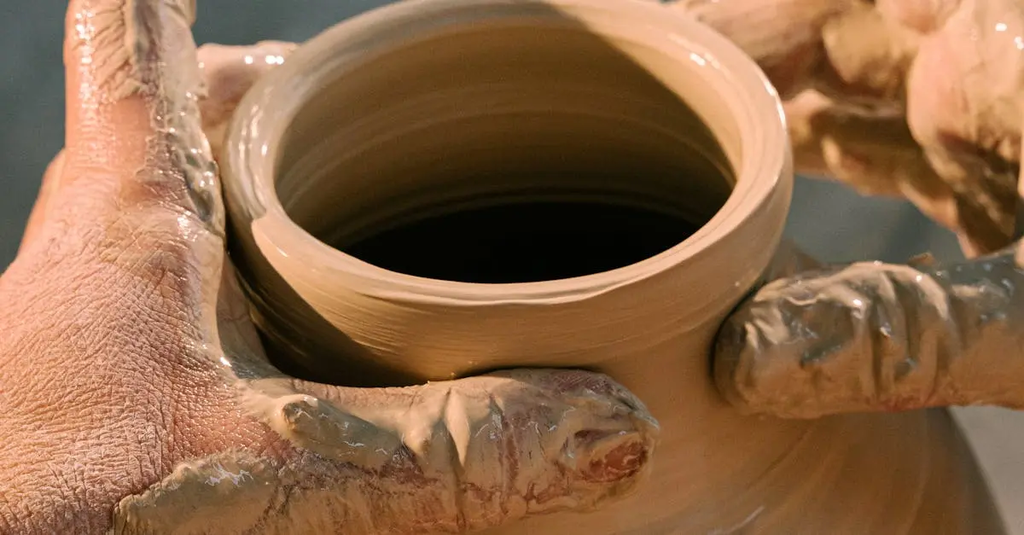
Ceramics and pottery refer to objects made from clay and other raw materials, shaped and then hardened by heat. Pottery typically includes functional items like bowls, plates, and vases, while ceramics can also encompass decorative or artistic pieces. The process involves molding, drying, firing in a kiln, and often glazing for durability and aesthetics. These crafts have ancient origins and remain significant in both art and daily life worldwide.
Ceramics and Pottery
Ceramics and pottery refer to objects made from clay and other raw materials, shaped and then hardened by heat. Pottery typically includes functional items like bowls, plates, and vases, while ceramics can also encompass decorative or artistic pieces. The process involves molding, drying, firing in a kiln, and often glazing for durability and aesthetics. These crafts have ancient origins and remain significant in both art and daily life worldwide.
💡 Key Takeaways
- Understand what ceramics and pottery are, including how clay objects are formed and hardened by heat.
- Differentiate functional pottery (bowls, plates, vases) from decorative or artistic ceramics.
- Describe the basic ceramic-making steps: shaping, drying, firing in a kiln, and glazing.
- Identify common forms and surface treatments used in ceramics, such as glazes and decorative textures.
- Familiarize yourself with basic tools, materials, and firing methods involved in pottery and ceramics.
❓ Frequently Asked Questions
What is the difference between ceramics and pottery?
Pottery usually refers to functional objects made from clay (bowls, plates, vases). Ceramics is the broader field that includes pottery as well as decorative or artistic clay works.
What are the main steps in making pottery?
Shaping (hand-building or wheel-throwing), drying to leather-hard, first firing (bisque) to harden, applying glaze, then a second firing to fuse the glaze.
What is bisque firing vs glaze firing?
Bisque firing hardens the clay without glaze; glaze firing fuses the glaze to create a glassy, sealed surface.
What are common clay types and how do they differ?
Earthenware (low-fire, porous), Stoneware (high-fire, durable), and Porcelain (high-fire, often white and translucent) differ in temperature and final properties.
What is glaze and what does it do?
Glaze is a glassy coating applied to pottery that colors, seals, and decorates the surface after firing.