Chinese regional cuisine refers to the diverse culinary traditions found across different areas of China, each shaped by local ingredients, climate, history, and culture. Notable regions include Sichuan, known for its bold, spicy flavors; Cantonese, famous for dim sum and fresh seafood; Shandong, with its emphasis on savory broths; and Jiangsu, celebrated for refined, slightly sweet dishes. These regional cuisines collectively showcase the rich variety and depth of Chinese gastronomy.
Chinese Regional Cuisine
Chinese regional cuisine refers to the diverse culinary traditions found across different areas of China, each shaped by local ingredients, climate, history, and culture. Notable regions include Sichuan, known for its bold, spicy flavors; Cantonese, famous for dim sum and fresh seafood; Shandong, with its emphasis on savory broths; and Jiangsu, celebrated for refined, slightly sweet dishes. These regional cuisines collectively showcase the rich variety and depth of Chinese gastronomy.
💡 Key Takeaways
- Identify how local ingredients and climate shape regional Chinese flavors.
- Describe signature traits of Sichuan (bold, spicy and numbing), Cantonese (dim sum and fresh seafood), and Shandong (savory soups and seafood).
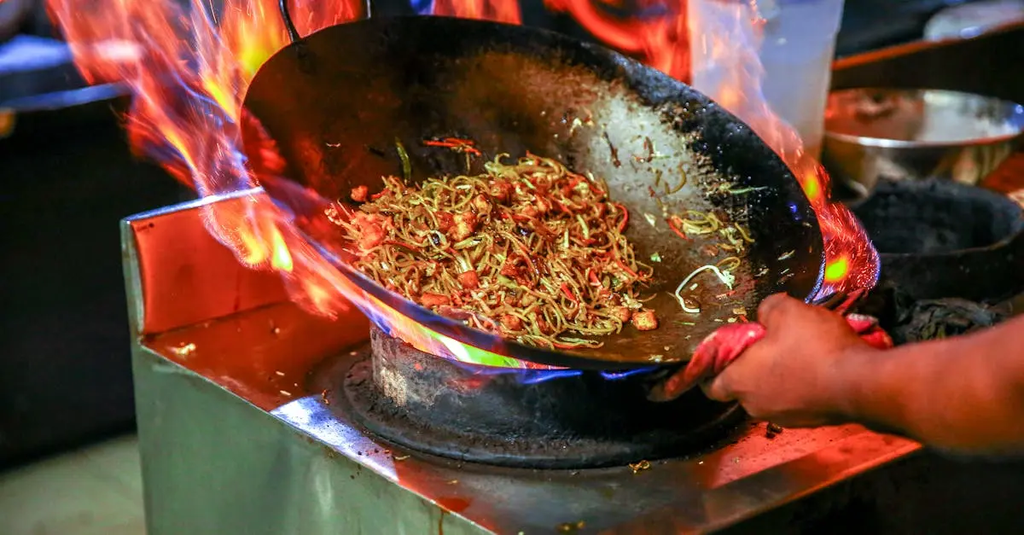
- Explain how regional cooking techniques (steaming, braising, dry-heat) reflect local ingredients and preferences.
- Explore how geography, history, and culture influence regional dining traditions and menus.
❓ Frequently Asked Questions
What defines Chinese regional cuisine?
It comprises the diverse culinary traditions across China, shaped by local ingredients, climate, history, and culture.
Which region is famous for bold, spicy flavors and Sichuan peppercorns?
Sichuan cuisine, known for hot, numbing heat and layered chili-oil flavors.
What is Cantonese cuisine famous for?
Dim sum and fresh seafood, with light, delicate flavors and varied steaming and wok techniques.
How does climate and geography influence Chinese regional cooking?
It determines local ingredients and cooking styles—for example, coastal areas emphasize seafood, southern regions favor lighter flavors, and northern regions use more wheat-based foods.
Why are rice and wheat staple grains distributed regionally in China?
Rice is more common in the warm, wet south, while wheat thrives in cooler, drier northern areas, shaping regional staples like rice versus noodles and bread.