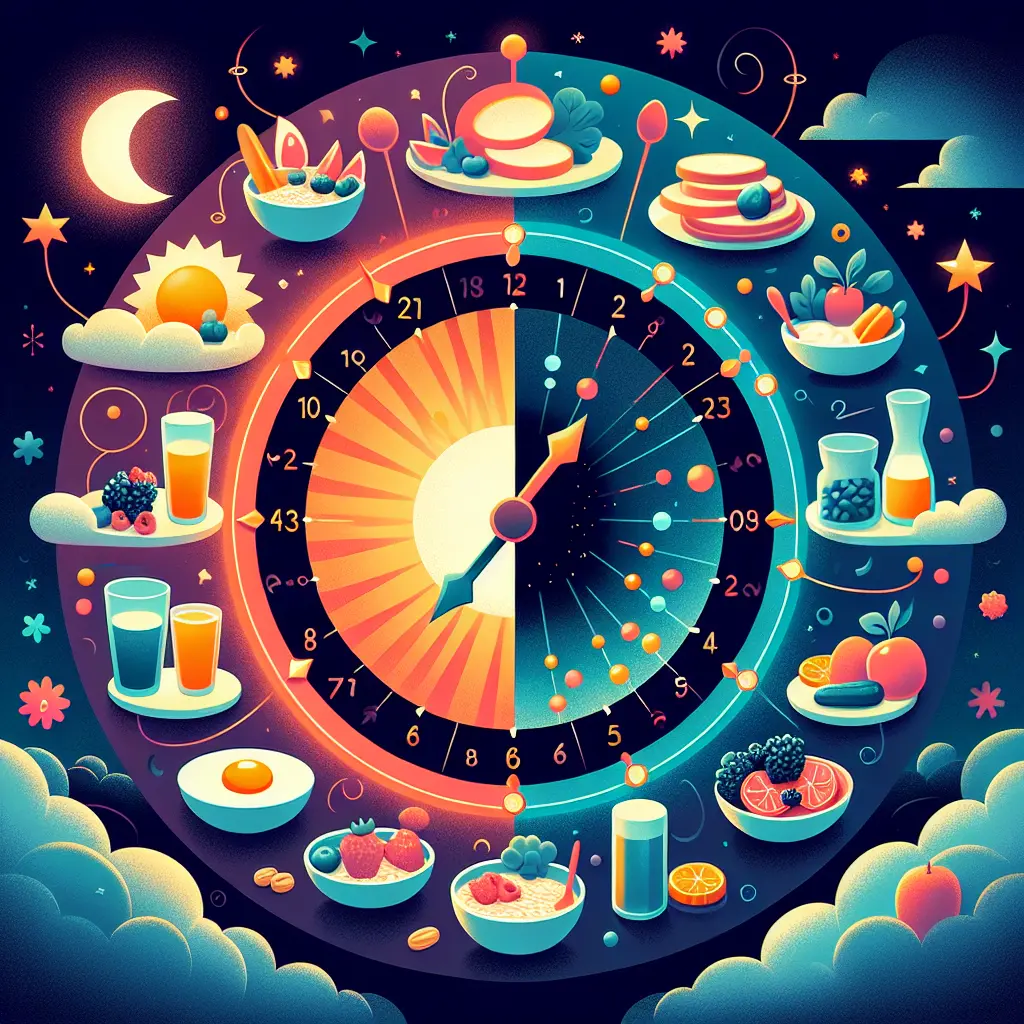
Chrononutrition, sleep, and metabolic health are interconnected concepts highlighting how meal timing and sleep patterns influence the body’s metabolism. Chrononutrition studies how eating in sync with the body’s circadian rhythms can optimize digestion, energy use, and hormone regulation. Poor sleep or irregular eating disrupts these rhythms, increasing risks for obesity, diabetes, and other metabolic disorders. Aligning food intake and sleep with natural biological clocks supports better metabolic health.
Chrononutrition, Sleep & Metabolic Health
Chrononutrition, sleep, and metabolic health are interconnected concepts highlighting how meal timing and sleep patterns influence the body’s metabolism. Chrononutrition studies how eating in sync with the body’s circadian rhythms can optimize digestion, energy use, and hormone regulation. Poor sleep or irregular eating disrupts these rhythms, increasing risks for obesity, diabetes, and other metabolic disorders. Aligning food intake and sleep with natural biological clocks supports better metabolic health.
💡 Key Takeaways
- Grasp how meal timing and circadian rhythms interact to influence metabolism, digestion, and energy use.
- Learn how sleep duration and quality affect hormones like ghrelin and leptin, appetite, and metabolic regulation.
- Understand the consequences of circadian misalignment, such as late-night eating, on glucose control and fat metabolism.
- Discover practical strategies to align meals and sleep with the body's clock to optimize metabolic health.
❓ Frequently Asked Questions
What is chrononutrition?
Chrononutrition studies how meal timing aligns with the body's circadian clock to affect digestion, energy use, and hormone regulation.
Why does meal timing matter for metabolism?
The body's metabolism operates on daily rhythms; eating late or irregularly can reduce insulin sensitivity and energy efficiency, while syncing meals with daylight supports better glucose control and fat burning.
How does sleep affect metabolic health?
Good sleep helps regulate appetite hormones and glucose metabolism; sleep deprivation can increase hunger, cravings, and the risk of obesity and metabolic diseases.
What practical steps can support chrononutrition?
Keep a regular daytime eating window, finish meals a few hours before bed, get daylight exposure, and maintain a consistent sleep–wake schedule to align with circadian rhythms.