The circulatory system is responsible for transporting blood, nutrients, oxygen, and waste products throughout the human body. It consists mainly of the heart, blood vessels (arteries, veins, and capillaries), and blood. The heart pumps oxygen-rich blood through the arteries to tissues and organs, while veins return oxygen-poor blood back to the heart. This continuous circulation supports cellular function, regulates body temperature, and helps defend against disease.
Circulatory System Basics+50
The circulatory system is responsible for transporting blood, nutrients, oxygen, and waste products throughout the human body. It consists mainly of the heart, blood vessels (arteries, veins, and capillaries), and blood. The heart pumps oxygen-rich blood through the arteries to tissues and organs, while veins return oxygen-poor blood back to the heart. This continuous circulation supports cellular function, regulates body temperature, and helps defend against disease.
💡 Key Takeaways
- Identify the main components of the circulatory system (heart, blood vessels, and blood) and their basic functions.
- Describe how the heart's four chambers and valves coordinate blood flow through the pulmonary and systemic circuits.
- Explain the differences between arteries, veins, and capillaries and how their structures suit their roles.
- Understand basic blood pressure concepts (systolic vs. diastolic) and how circulation supports oxygen delivery and nutrient transport.
❓ Frequently Asked Questions
What is the circulatory system?
A body system that transports blood, delivering oxygen and nutrients to tissues and removing waste products.
What are the main components of the circulatory system?
The heart, blood vessels (arteries, veins, capillaries), and blood.
What is the difference between systolic and diastolic blood pressure?
Systolic pressure is the force when the heart contracts; diastolic pressure is the pressure when the heart rests between beats.
What are the two main types of circulation?
Pulmonary circulation sends blood to the lungs for oxygen; systemic circulation distributes oxygen-rich blood to the rest of the body.
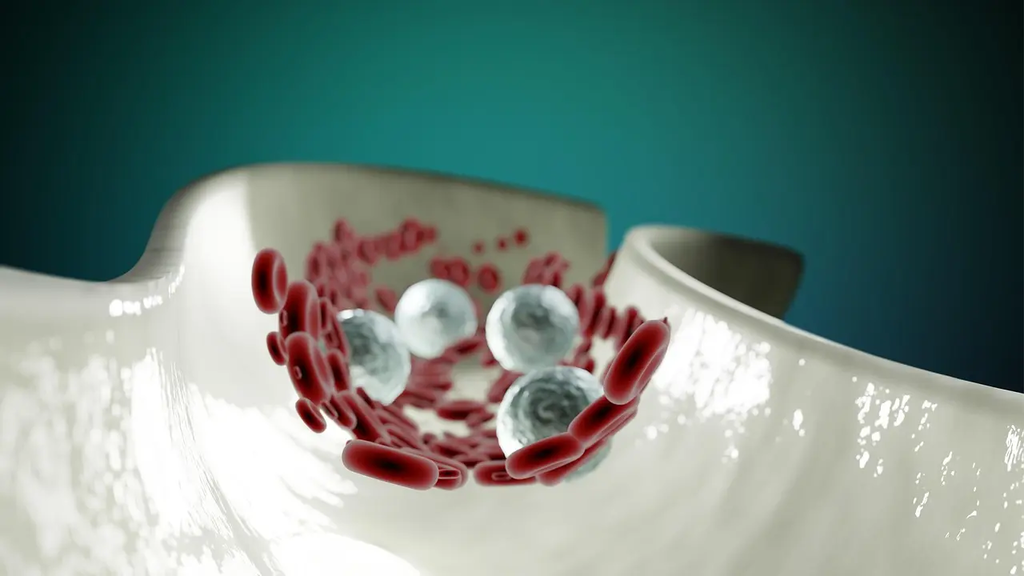
What is the role of red blood cells in circulation?
Red blood cells carry oxygen from the lungs to tissues and help transport carbon dioxide back to the lungs for exhalation.