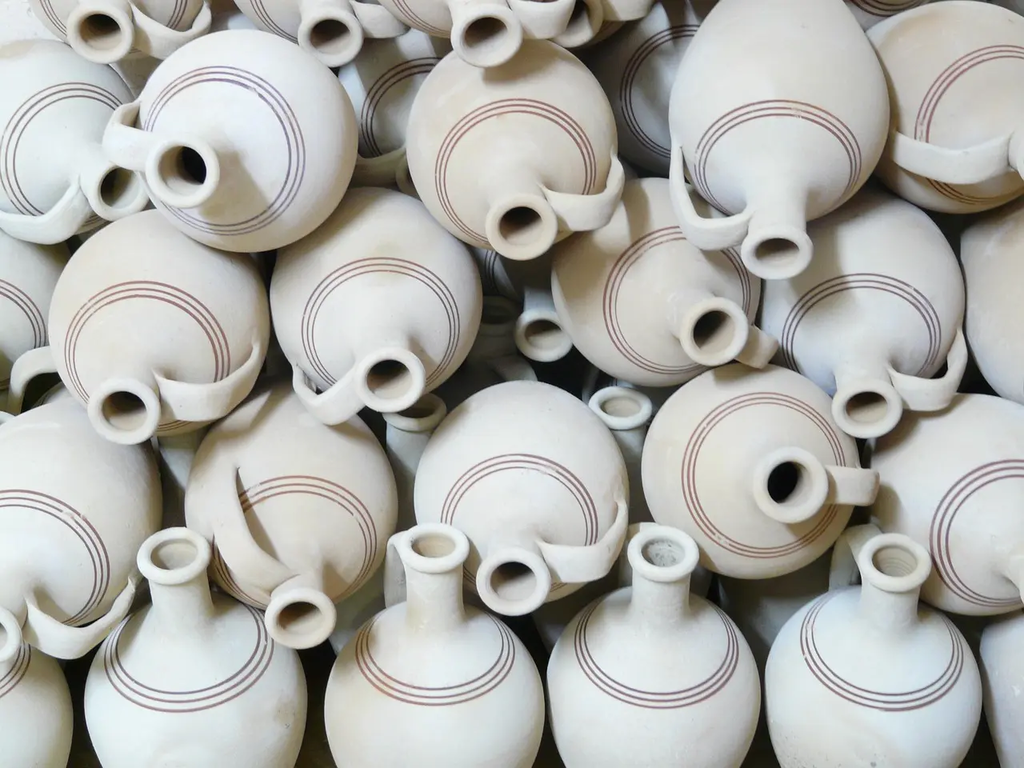
Clay hand-building techniques refer to traditional methods of shaping and constructing objects from clay without using a potter’s wheel. Common techniques include pinching, where the clay is molded by hand; coiling, which involves stacking rolled clay ropes; and slab building, where flat pieces of clay are joined together. These methods allow artists to create a wide range of functional and decorative pieces, emphasizing creativity and manual skill.
Clay Hand‑Building Techniques
Clay hand-building techniques refer to traditional methods of shaping and constructing objects from clay without using a potter’s wheel. Common techniques include pinching, where the clay is molded by hand; coiling, which involves stacking rolled clay ropes; and slab building, where flat pieces of clay are joined together. These methods allow artists to create a wide range of functional and decorative pieces, emphasizing creativity and manual skill.
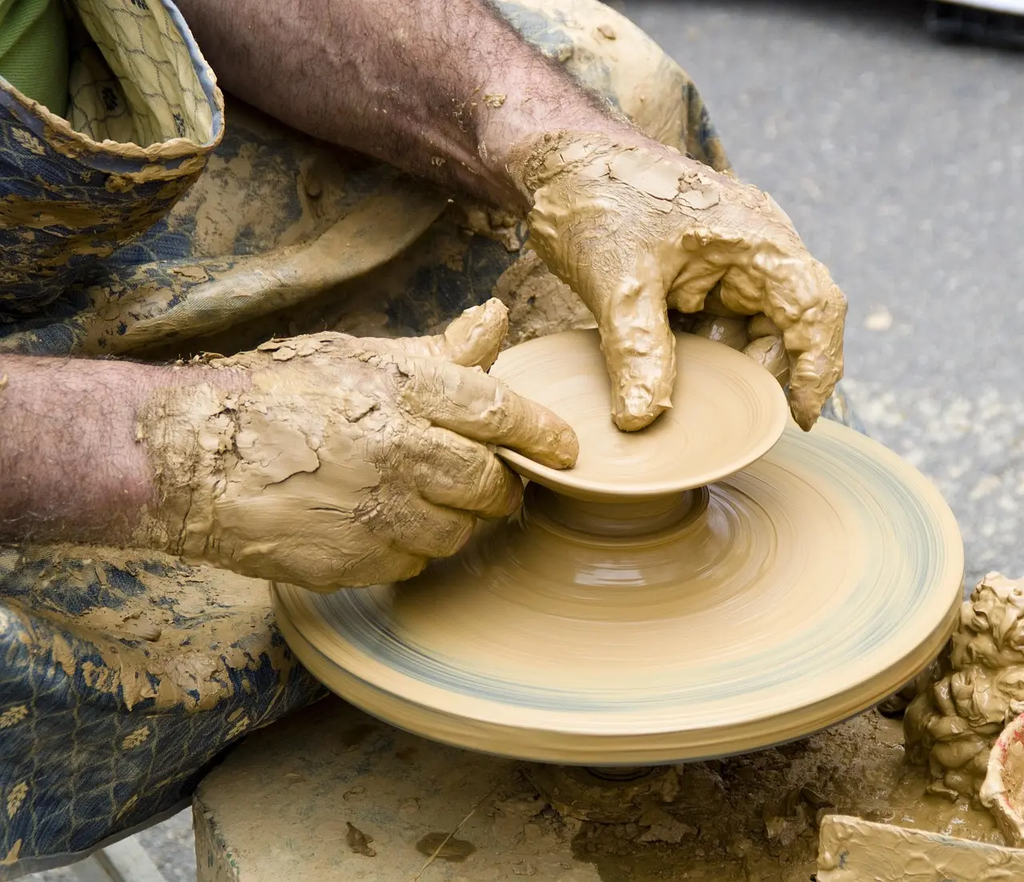
💡 Key Takeaways
- Identify and describe the three core hand-building techniques: pinching, coiling, and slab building.
- Learn the basic steps for each method: pinch to shape a vessel, roll and stack coils, and cut and assemble flat slabs.
- Understand how to join pieces securely with scoring and slip and how to refine joints for a smooth finish.
- Know finishing steps for hand-built clay, including drying and choosing between air-dry or kiln firing to set the form.
❓ Frequently Asked Questions
What is clay hand-building?
Clay hand-building refers to shaping and constructing objects from clay without a potter’s wheel, using techniques like pinch, coil, and slab.
What is pinching in clay?
Pinching shapes clay by pressing and molding with fingers, typically starting from a ball to form hollow forms such as pinch pots.
What is coiling in clay?
Coiling involves rolling clay into long ropes and stacking or spiraling them to build walls, then smoothing seams.
What is slab building?
Slab building uses flat slabs of clay joined together (usually by scoring and slip) to create geometric forms or sturdy walls.
How do you join clay pieces securely?
Score the surfaces, apply slip, press pieces together, and blend the seam to create a strong bond.