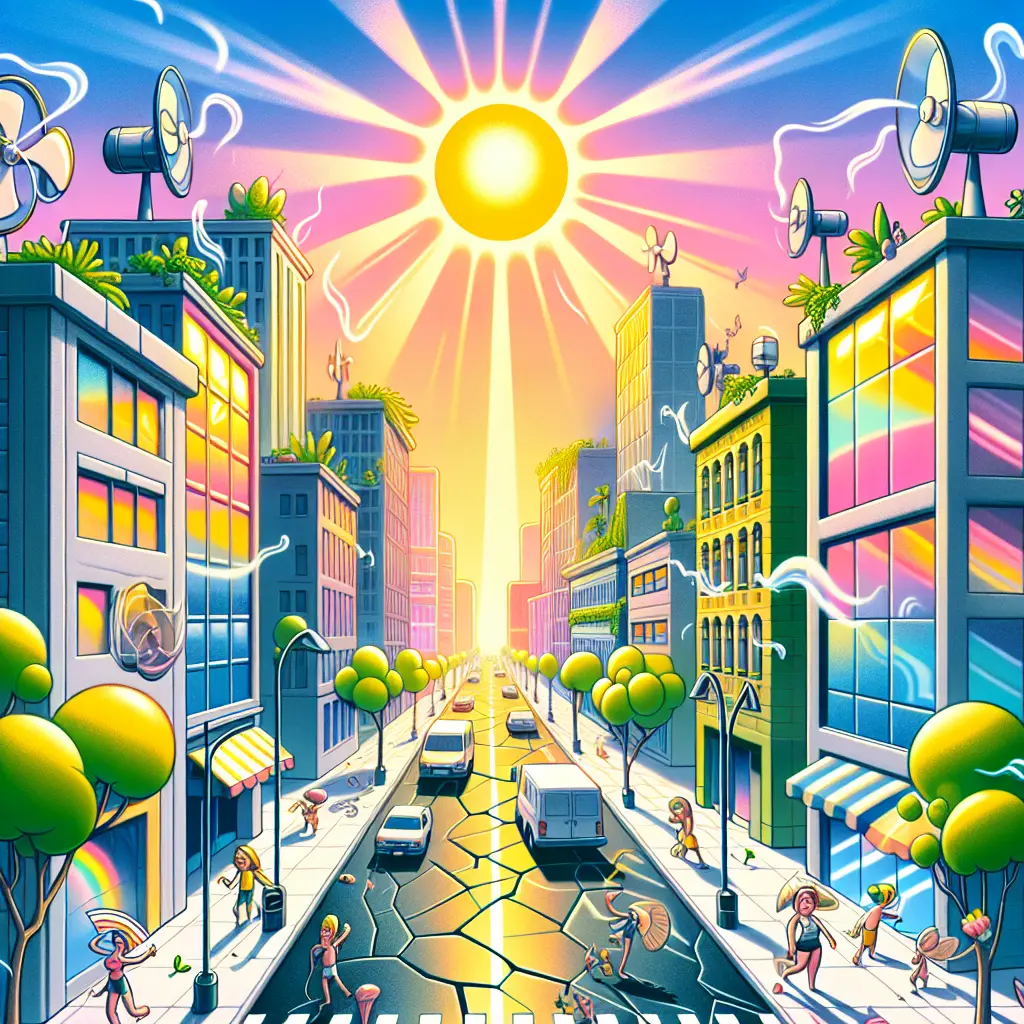
Climate change basics refer to the fundamental understanding of how Earth’s climate is shifting due to human activities, primarily the burning of fossil fuels and deforestation. These actions release greenhouse gases like carbon dioxide into the atmosphere, trapping heat and raising global temperatures. The resulting impacts include melting ice caps, rising sea levels, extreme weather events, and threats to biodiversity. Addressing climate change requires global cooperation and sustainable practices.
Climate Change Basics+50
Climate change basics refer to the fundamental understanding of how Earth’s climate is shifting due to human activities, primarily the burning of fossil fuels and deforestation. These actions release greenhouse gases like carbon dioxide into the atmosphere, trapping heat and raising global temperatures. The resulting impacts include melting ice caps, rising sea levels, extreme weather events, and threats to biodiversity. Addressing climate change requires global cooperation and sustainable practices.
💡 Key Takeaways
- Define climate change and distinguish it from everyday weather.
- Identify how human activities, such as burning fossil fuels and deforestation, increase greenhouse gases.
- Explain how greenhouse gases trap heat and raise Earth's average temperature.
- Describe some global impacts of warming and simple actions to reduce emissions.
❓ Frequently Asked Questions
What is climate change?
Climate change is the long term shift in Earth's climate, including warming and changing weather patterns, driven mainly by human activities that increase greenhouse gas levels in the atmosphere.
What are greenhouse gases and how do they cause warming?
Greenhouse gases like carbon dioxide and methane trap heat in the atmosphere by absorbing infrared radiation. Human activities raise their concentrations, strengthening the greenhouse effect and warming the planet.
How do burning fossil fuels contribute to climate change?
Burning fossil fuels releases carbon dioxide and other pollutants. The extra greenhouse gases trap more heat, leading to higher global temperatures over time.
What can we do to address climate change?
Reduce emissions by using clean energy and improving efficiency, protect and restore forests, limit deforestation, and adopt sustainable transport and industry practices. Adaptation to impacts is also important.