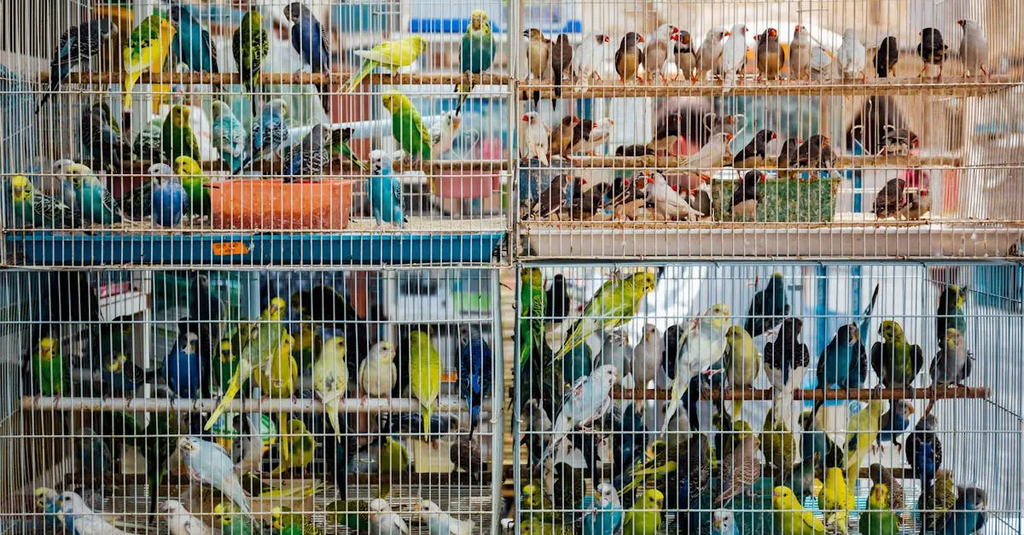
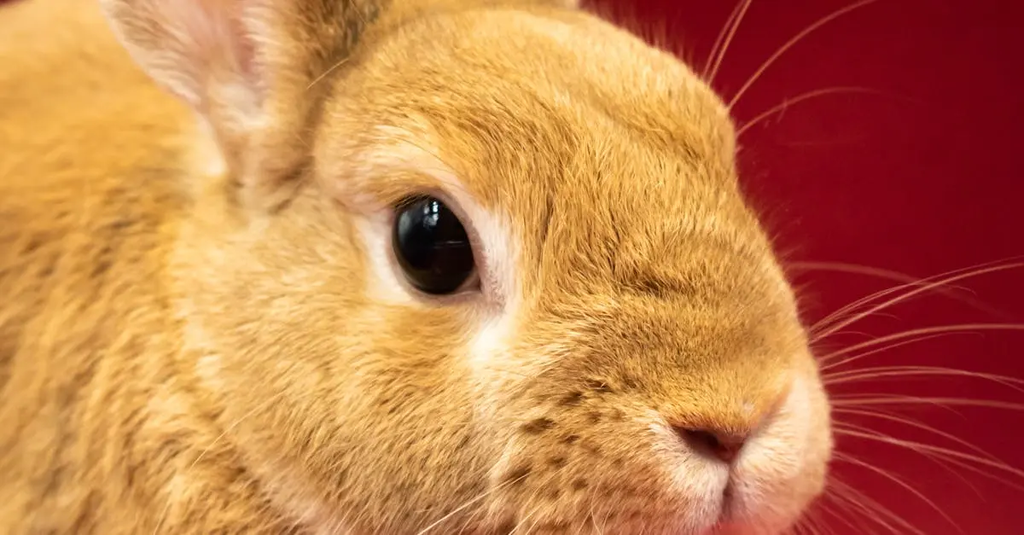
Climate change impacts fauna by altering habitats, shifting migration patterns, and disrupting breeding cycles. Rising temperatures and extreme weather events threaten species’ survival, causing population declines or local extinctions. Changes in food availability and increased prevalence of diseases further stress animal populations. Some species adapt or relocate, while others cannot, leading to loss of biodiversity and imbalances in ecosystems. Overall, climate change poses significant challenges to the health and stability of animal communities worldwide.
Climate Change Impacts on Fauna
Climate change impacts fauna by altering habitats, shifting migration patterns, and disrupting breeding cycles. Rising temperatures and extreme weather events threaten species’ survival, causing population declines or local extinctions. Changes in food availability and increased prevalence of diseases further stress animal populations. Some species adapt or relocate, while others cannot, leading to loss of biodiversity and imbalances in ecosystems. Overall, climate change poses significant challenges to the health and stability of animal communities worldwide.
💡 Key Takeaways
- Understand how rising temperatures and extreme weather reshape habitats for wildlife and domestic animals.
- Learn how climate shifts alter migration patterns and disrupt breeding cycles in fauna.
- Recognize how changing food availability affects animal health, reproduction, and population trends.
- Identify how climate-related disease risks increase, threatening animal health and biodiversity.
❓ Frequently Asked Questions
What is the main way climate change affects fauna?
Climate change alters habitats, temperatures, and weather patterns, causing animals to shift ranges, change migration timing, and disrupt breeding.
How do rising temperatures and extreme weather influence migration and habitat use?
They can shrink or push habitats, cause range shifts, and disrupt the timing of migrations and seasonal movements.
How can climate change disrupt breeding and reproductive cycles?
Changes in seasonal cues, temperature, and rainfall can lead to mistimed breeding, reduced fertility, and lower offspring survival.
How does climate change affect food availability and disease in animals?
It alters prey and plant availability, disrupts food webs, and warmer conditions can expand disease vectors, increasing illness in wildlife.
What is local extinction and how is it connected to climate change?
Local extinction means a species disappears from a particular area; climate stress, habitat loss, and mismatched timing can contribute to this.