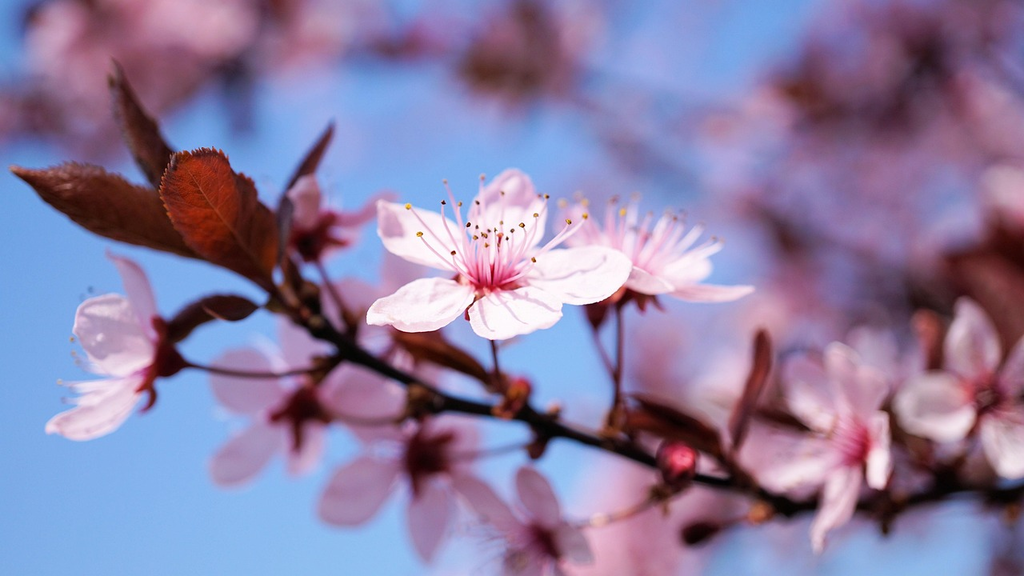
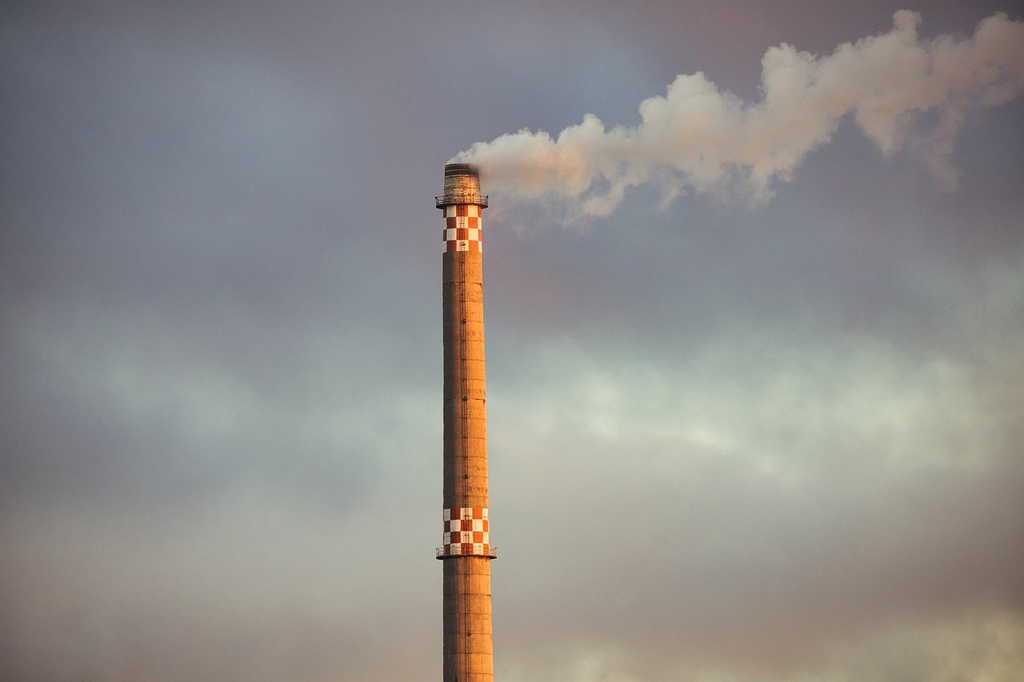
Climate impact on oranges affects their growth, yield, and quality. Rising temperatures and unpredictable weather patterns can cause droughts, heat stress, and increased pest infestations, reducing fruit size and sweetness. Changes in rainfall and extreme events, such as storms or frost, can damage blossoms and fruit, leading to lower harvests. These factors threaten both the availability and freshness of oranges and cherries, impacting farmers and consumers alike.
Climate Impact on Oranges
Climate impact on oranges affects their growth, yield, and quality. Rising temperatures and unpredictable weather patterns can cause droughts, heat stress, and increased pest infestations, reducing fruit size and sweetness. Changes in rainfall and extreme events, such as storms or frost, can damage blossoms and fruit, leading to lower harvests. These factors threaten both the availability and freshness of oranges and cherries, impacting farmers and consumers alike.
💡 Key Takeaways
- Understand how key climate factors (temperature, rainfall, sunlight) influence orange growth, flavor, and yield.
- Learn how weather extremes (frost, drought, storms) affect fruit quality, rind color, and harvest timing.
- Explore how climate change may shift orange-growing regions and what this means for production and supply.
- Discover adaptation concepts (irrigation, cultivar selection, harvest timing) to mitigate climate impacts on oranges.
❓ Frequently Asked Questions
What climatic factors most affect orange trees?
Temperature (frost-free winters and heat stress), rainfall/soil moisture, sunlight, and wind are the main factors influencing growth and fruiting.
How does temperature influence orange yield and fruit quality?
Cold snaps can damage blossoms and trees, while extreme heat can reduce sugar–acid balance and juice quality; moderate temperatures support steady growth and nicer fruit.
Why is irrigation important for orange production in changing climates?
Water availability affects size, yield, and sweetness. Drought lowers yield; overwatering promotes disease. Efficient irrigation (like drip systems) helps conserve water and protect trees.
How might climate change affect orange-growing regions?
Shifts in suitable growing areas, more extreme weather, and pest/disease changes can alter where oranges grow best; adaptation may involve new varieties, better irrigation, and protective practices.
What farming practices help oranges cope with climate variability?
Mulching, windbreaks, frost protection, soil health management, timely irrigation, and selecting climate-resilient varieties can improve resilience to climate fluctuations.