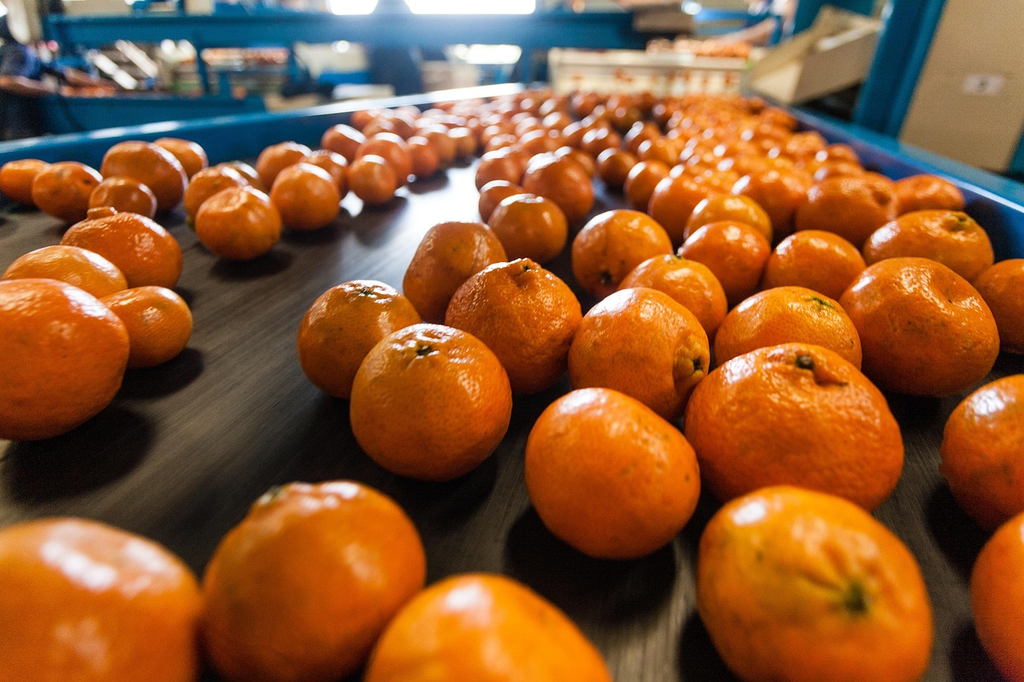
Oranges are widely consumed fresh due to their juicy, sweet-tart flavor and high vitamin C content. They are often eaten as a snack, added to fruit salads alongside cherries, or used as a garnish. Fresh oranges can also be juiced for beverages or incorporated into desserts and savory dishes. Cherries, when paired with oranges, enhance the visual appeal and taste of fruit platters or mixed fruit bowls, making them popular choices for healthy eating.
Common Uses of Oranges+50
Oranges are widely consumed fresh due to their juicy, sweet-tart flavor and high vitamin C content. They are often eaten as a snack, added to fruit salads alongside cherries, or used as a garnish. Fresh oranges can also be juiced for beverages or incorporated into desserts and savory dishes. Cherries, when paired with oranges, enhance the visual appeal and taste of fruit platters or mixed fruit bowls, making them popular choices for healthy eating.

💡 Key Takeaways
- Identify common culinary uses of oranges: juice, zest, segments, and marmalade.
- Learn how orange zest and juice enhance flavor in both sweet and savory dishes.
- Discover quick prep ideas: fresh segments, orange juice for drinks, and citrus glazes or desserts.
- Explore non-culinary uses and storage tips to maximize oranges' usefulness.
❓ Frequently Asked Questions
What are common culinary uses of oranges?
Oranges can be eaten fresh, juiced, or zested for flavor. They’re also used in marmalade, desserts, sauces, marinades, salads, and beverages.
How should orange zest and juice be used in recipes?
Zest adds bright aroma from the peel; grate carefully to avoid the white pith. Juice provides acidity and sweetness; use in moderation and can be reduced for sauces or glazes.
Can orange peels be used for non-culinary purposes?
Yes. Peels can clean and deodorize, infuse oils or vinegar, freshen air, make scented sachets, or be composted.
What are the health benefits of eating oranges?
Oranges are high in vitamin C and fiber, with antioxidants that support immune health and digestion while keeping calories relatively low.