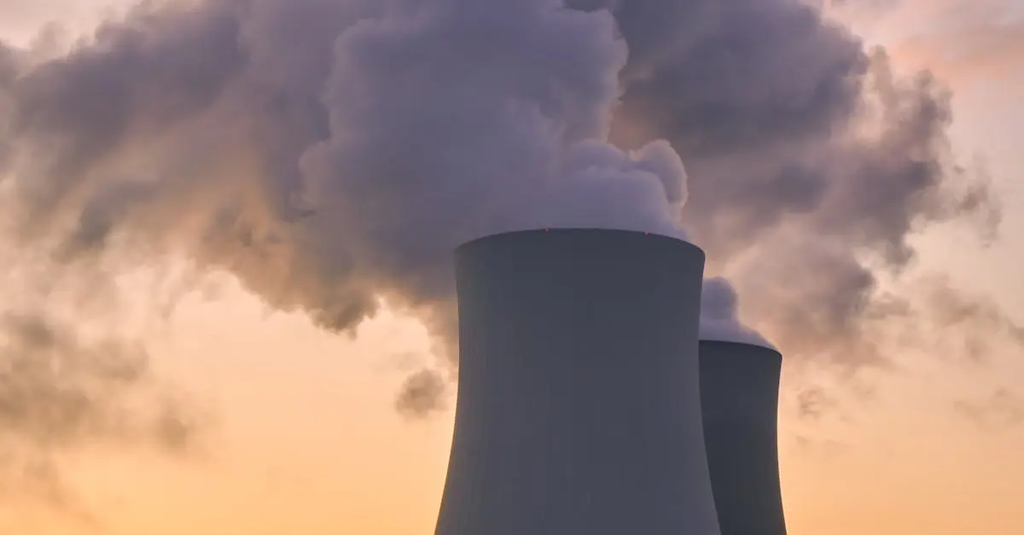
Climate migration refers to the movement of people due to environmental changes caused by climate change, such as rising sea levels, extreme weather, or droughts. This migration significantly impacts human security, as displaced populations may face threats to their livelihoods, health, and safety. It can strain resources in receiving areas, increase social tensions, and challenge governments’ ability to provide basic services, ultimately affecting stability and well-being in both origin and destination communities.
Climate Migration and Human Security
Climate migration refers to the movement of people due to environmental changes caused by climate change, such as rising sea levels, extreme weather, or droughts. This migration significantly impacts human security, as displaced populations may face threats to their livelihoods, health, and safety. It can strain resources in receiving areas, increase social tensions, and challenge governments’ ability to provide basic services, ultimately affecting stability and well-being in both origin and destination communities.
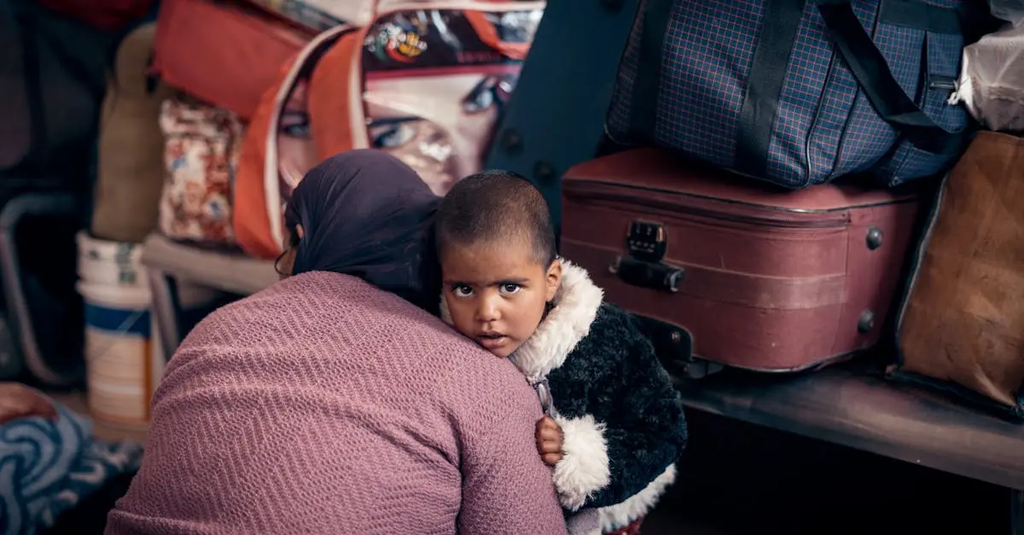
💡 Key Takeaways
- Understand how climate change drives displacement and migration patterns (internal vs cross-border).
- Identify the human security dimensions affected by climate migration, including livelihoods, health, shelter, and safety.
- Explore who is most vulnerable to climate displacement and why resilience varies across communities.
- Examine policy tools and protection mechanisms for climate-displaced people, such as legal status, aid, and disaster risk reduction.
- Review real-world case studies illustrating climate migration and its impact on communities and stability.
❓ Frequently Asked Questions
What is climate migration?
Movement of people driven by climate change impacts, such as sea-level rise, droughts, or extreme weather, that can be internal or cross-border.
How does climate migration affect human security?
It can threaten livelihoods, access to food and water, health, shelter, and safety, and may increase vulnerability and social tensions.
What is the difference between climate migrants and climate refugees?
Climate migrants move due to climate impacts; climate refugees is a contested legal term, and many migrants do not qualify as refugees under international law.
What strategies help reduce risks for climate migrants?
Build resilience and adaptive capacity, invest in disaster risk reduction, provide social protection, support sustainable livelihoods, and plan relocations with rights protections.