Climate Scenarios & Adaptive Festival Design refers to planning and organizing festivals with consideration for varying climate conditions and potential environmental changes. This approach involves anticipating weather extremes, such as heatwaves or storms, and integrating flexible infrastructure, sustainable materials, and contingency plans. By doing so, festival organizers enhance safety, minimize environmental impact, and ensure the event can adapt to unpredictable climate challenges, promoting resilience and sustainability in festival experiences.
Climate Scenarios & Adaptive Festival Design
Climate Scenarios & Adaptive Festival Design refers to planning and organizing festivals with consideration for varying climate conditions and potential environmental changes. This approach involves anticipating weather extremes, such as heatwaves or storms, and integrating flexible infrastructure, sustainable materials, and contingency plans. By doing so, festival organizers enhance safety, minimize environmental impact, and ensure the event can adapt to unpredictable climate challenges, promoting resilience and sustainability in festival experiences.
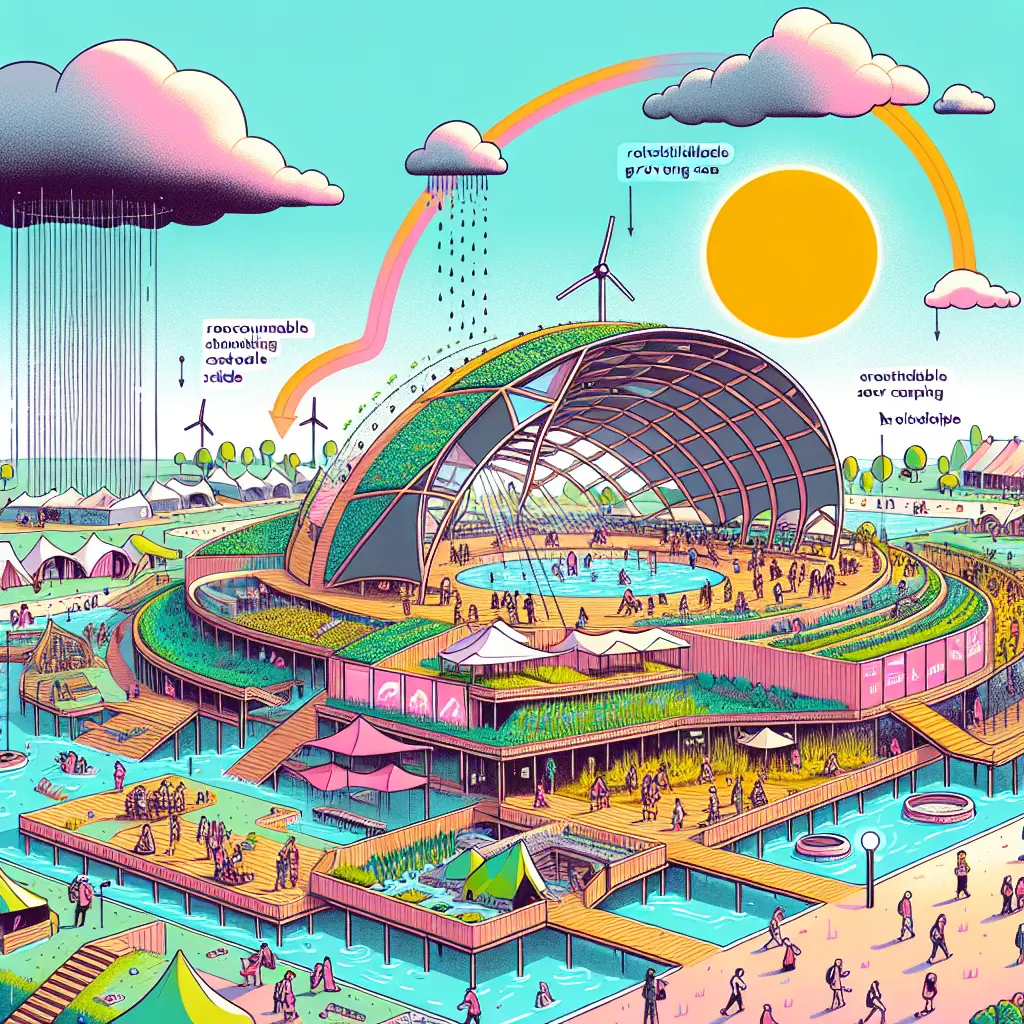
💡 Key Takeaways
- Understand how climate scenarios inform festival planning and risk management.
- Identify weather extremes (heat, rain, storms) and their potential impacts on attendees and infrastructure.
- Design flexible festival layouts and infrastructure that can adapt to changing conditions.
- Develop contingency plans for cooling, shelter, and shifting schedules to minimize disruptions.
❓ Frequently Asked Questions
What is adaptive festival design?
Adaptive festival design plans for climate variability by using flexible spaces, modular infrastructure, and contingency plans to keep events safe and functional as weather changes.
Why are climate scenarios important for festival planning?
They help anticipate extremes like heatwaves and storms, informing layout, scheduling, staffing, and resource decisions to protect attendees and operations.
What are some examples of flexible infrastructure in adaptive design?
Modular stages and seating, adjustable crowd flow, shade structures, cooling stations, weatherproof tents, drainage and power backup, and scalable restroom facilities.
How can organizers prepare for heatwaves and storms on event days?
Provide shaded and cooling zones, hydration stations, plan cooler-time scheduling, use weather monitoring and alerts, and have clear evacuation routes and contingency plans.