Clock face design variations in the context of daily essentials like clocks and keys refer to the diverse styles, layouts, and artistic features used in displaying time on clock faces. These variations include differences in numeral types, hand shapes, color schemes, and background patterns. Such designs not only enhance visual appeal but also improve readability and functionality, allowing users to choose clocks that best fit their aesthetic preferences and practical needs in daily life.
Clock Face Design Variations
Clock face design variations in the context of daily essentials like clocks and keys refer to the diverse styles, layouts, and artistic features used in displaying time on clock faces. These variations include differences in numeral types, hand shapes, color schemes, and background patterns. Such designs not only enhance visual appeal but also improve readability and functionality, allowing users to choose clocks that best fit their aesthetic preferences and practical needs in daily life.
💡 Key Takeaways
- Identify common clock face styles, including Arabic numerals, Roman numerals, and no-numeral dials.
- Understand 12-hour vs 24-hour dial formats and where each is commonly used.
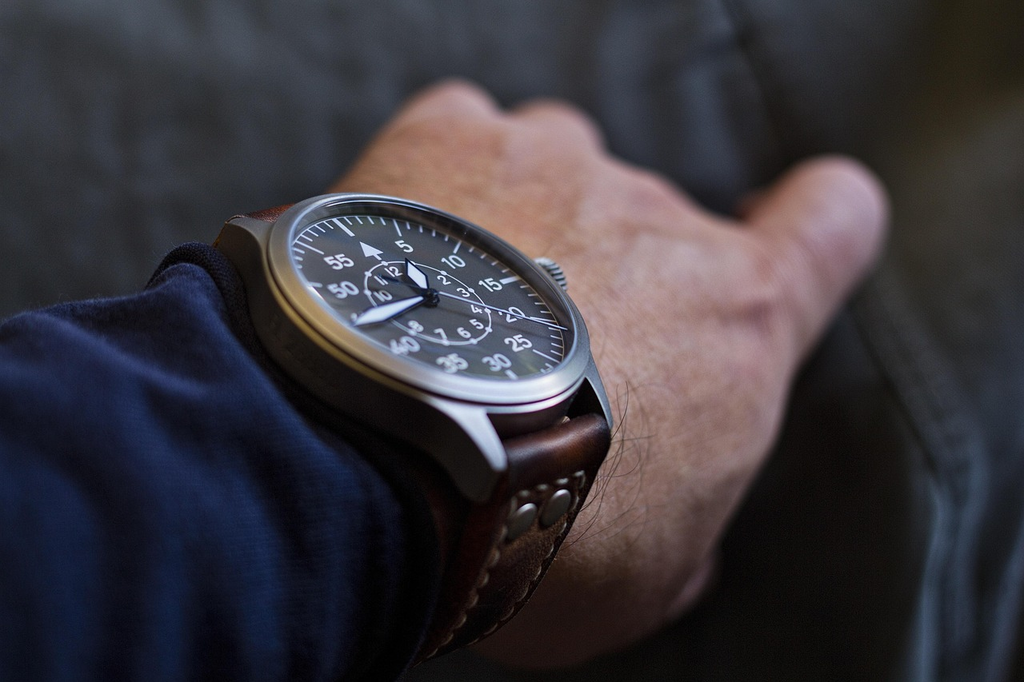
- Explain how clock hands differ in length and shape to improve readability at a glance.
- Assess legibility and accessibility considerations such as contrast, font choice, and marker sizing.
- Explore when to use decorative versus functional clock faces (minimalist, ornate, or themed designs).
❓ Frequently Asked Questions
What is the difference between an analog clock face and a digital clock face?
Analog clocks use rotating hands to indicate hours, minutes, and sometimes seconds, while digital clocks display numbers directly for the time.
What are common hour markers on clock faces and how do they affect readability?
Markers include Arabic numerals, Roman numerals, baton/line markers, or dots. Higher contrast and clearer sizing improve quick reading.
What are clock hands, and what are some typical shapes?
Common hands include baton, sword, spade, and leaf shapes. The length difference between hour and minute hands aids readability and shapes the clock’s style.
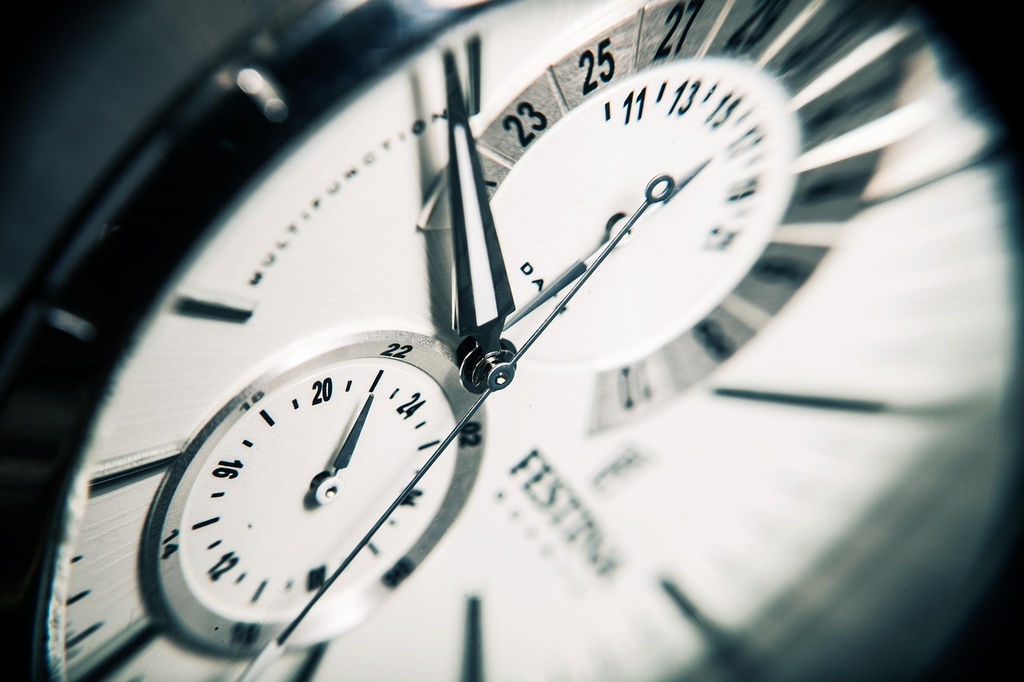
What is a subdial or dial feature, and what are common examples?
A subdial is a smaller dial on the face that may show seconds, date, day, moon phase, or a second time zone, adding extra information and affecting layout.