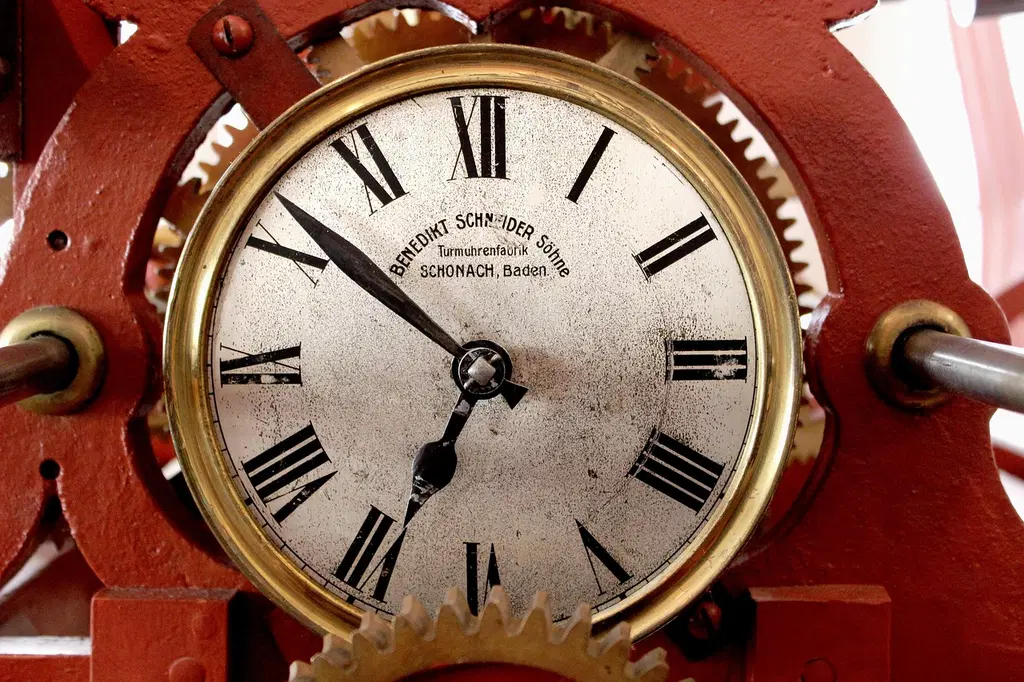
Clock repair and restoration involves diagnosing, fixing, and maintaining various types of clocks to ensure accurate timekeeping and preserve their historical value. This process includes cleaning mechanisms, replacing worn parts, and restoring both the internal movements and external features like dials and cases. Daily essentials for this work include specialized tools, lubricants, and keys, all tailored to the unique requirements of different clock styles and ages.
Clock Repair and Restoration
Clock repair and restoration involves diagnosing, fixing, and maintaining various types of clocks to ensure accurate timekeeping and preserve their historical value. This process includes cleaning mechanisms, replacing worn parts, and restoring both the internal movements and external features like dials and cases. Daily essentials for this work include specialized tools, lubricants, and keys, all tailored to the unique requirements of different clock styles and ages.
💡 Key Takeaways
- Identify different clock types (mechanical vs. quartz) and their repair implications
- Understand the basic clock movement components (mainspring, gears, escapement) and how wear affects accuracy
- Learn safe handling, disassembly, cleaning, and lubrication practices
- Master simple timing and regulation techniques to improve timekeeping
- Know when to seek professional restoration and how to source authentic parts
❓ Frequently Asked Questions
What is clock repair and restoration?
Clock repair fixes functional issues by repairing or replacing worn parts; restoration preserves original materials and appearance, sometimes renewing components while maintaining historical character.
What are the main parts of a mechanical clock movement?
Key components include the power source (mainspring or weight), the gear train, the escapement (controls timing), and the pendulum or balance wheel that regulates motion.
What tools are commonly used in clock repair?
Common tools include precision screwdrivers, tweezers, a movement holder, a loupe, pegwood, oilers, and cleaning solutions or an ultrasonic cleaner.
Why is lubrication important in clock maintenance?
Proper lubrication reduces friction and wear at pivots; too little causes wear, while too much can attract dust and gum up the mechanism.