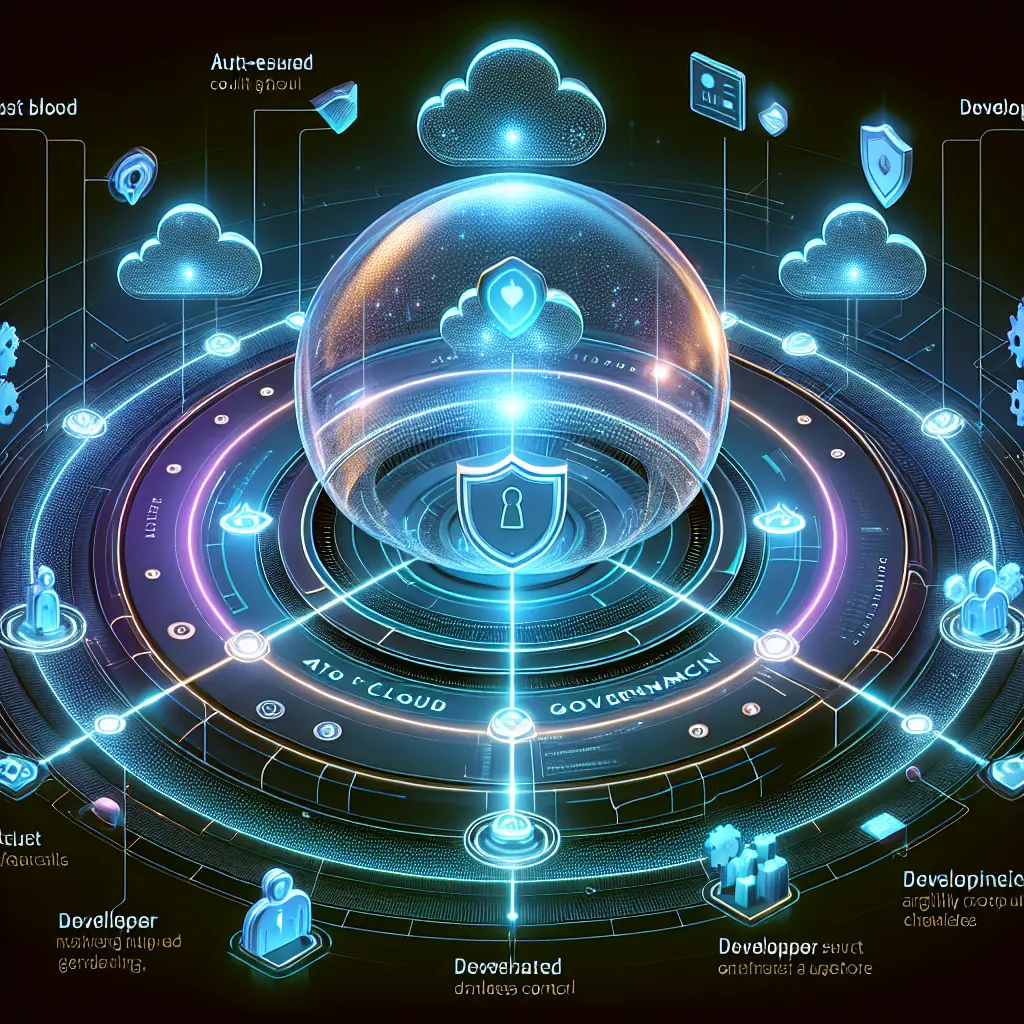
Cloud governance involves establishing policies and controls to manage cloud resources securely and efficiently. Roles define user permissions and responsibilities, ensuring only authorized personnel access sensitive data. Audit logs track all activities and changes within the cloud environment, supporting accountability and compliance. Data Loss Prevention (DLP) strategies are implemented to detect and prevent unauthorized data transfers, protecting sensitive information from breaches or accidental exposure. Together, these elements strengthen cloud security and regulatory compliance.
Cloud Governance: Roles, Audit Logs & DLP
Cloud governance involves establishing policies and controls to manage cloud resources securely and efficiently. Roles define user permissions and responsibilities, ensuring only authorized personnel access sensitive data. Audit logs track all activities and changes within the cloud environment, supporting accountability and compliance. Data Loss Prevention (DLP) strategies are implemented to detect and prevent unauthorized data transfers, protecting sensitive information from breaches or accidental exposure. Together, these elements strengthen cloud security and regulatory compliance.
💡 Key Takeaways
- Understand cloud governance: policies and controls to manage resources securely and efficiently.
- Learn how roles define permissions and responsibilities to ensure only authorized personnel access sensitive data.
- Describe audit logs: what activities and changes they capture and why they matter for monitoring and accountability.
- Grasp data loss prevention (DLP) in cloud environments and how it protects sensitive information.
- See how governance supports safe, compliant use of cloud resources in everyday digital life.
❓ Frequently Asked Questions
What is cloud governance?
Cloud governance is the framework of policies, controls, and decision rights that guide how an organization's cloud resources are used, secured, and optimized.
What are roles in cloud governance?
Roles define who can do what in the cloud, specifying permissions for viewing, creating, modifying, or deleting resources and the responsibilities assigned to users or groups.
What is an audit log?
An audit log records events and changes in the cloud environment (logins, resource modifications, policy updates), creating a trace for security and compliance.
What is DLP and how does it apply to cloud governance?
DLP (Data Loss Prevention) is a set of policies and tools to protect sensitive data from leakage or misuse, using controls like monitoring, encryption, and access restrictions in the cloud.