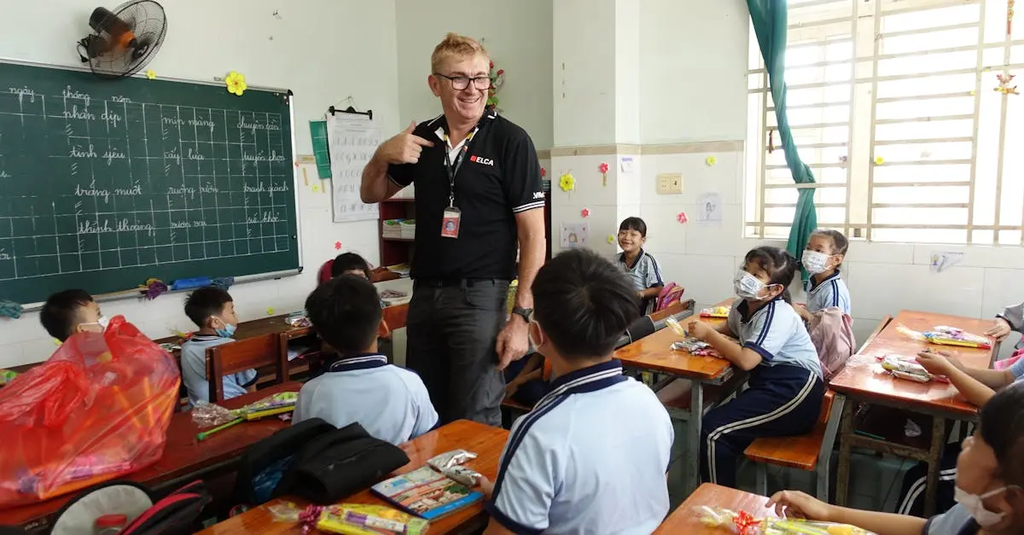
Coaching and mentoring teachers involves providing ongoing guidance, support, and feedback to help educators improve their teaching practices and professional growth. Through observation, collaboration, and reflective conversations, experienced mentors or coaches assist teachers in identifying strengths and areas for development. This process fosters a culture of continuous learning, encourages innovation in the classroom, and ultimately enhances student outcomes by empowering teachers to reach their full potential.
Coaching and Mentoring Teachers
Coaching and mentoring teachers involves providing ongoing guidance, support, and feedback to help educators improve their teaching practices and professional growth. Through observation, collaboration, and reflective conversations, experienced mentors or coaches assist teachers in identifying strengths and areas for development. This process fosters a culture of continuous learning, encourages innovation in the classroom, and ultimately enhances student outcomes by empowering teachers to reach their full potential.
💡 Key Takeaways
- Understand how coaching and mentoring support teachers' ongoing professional growth and classroom practice.
- Identify teachers' strengths and growth areas through observation, feedback, and reflective conversations.
- Learn collaborative planning and goal-setting to drive instructional improvement.
- Explore coaching models, mentor roles, and ethics to build trust and effective mentor-teacher relationships.
❓ Frequently Asked Questions
What is the difference between coaching and mentoring in education?
Coaching is goal-driven and time-bound, using observation and feedback to improve specific classroom practices. Mentoring is ongoing, relationship-based guidance aimed at broader professional growth and career development.
How is observation used in coaching?
Observations provide evidence of current teaching practices, help identify strengths and areas for improvement, and inform targeted feedback and action planning.
Why are reflection and collaborative conversations important?
Reflection helps teachers analyze what happened and why, while collaborative conversations support planning, problem-solving, and applying new strategies.
What outcomes can coaching and mentoring produce for teachers and students?
Improved instructional techniques, higher teacher self-efficacy, more effective feedback cycles, stronger professional learning communities, and potential gains in student learning.