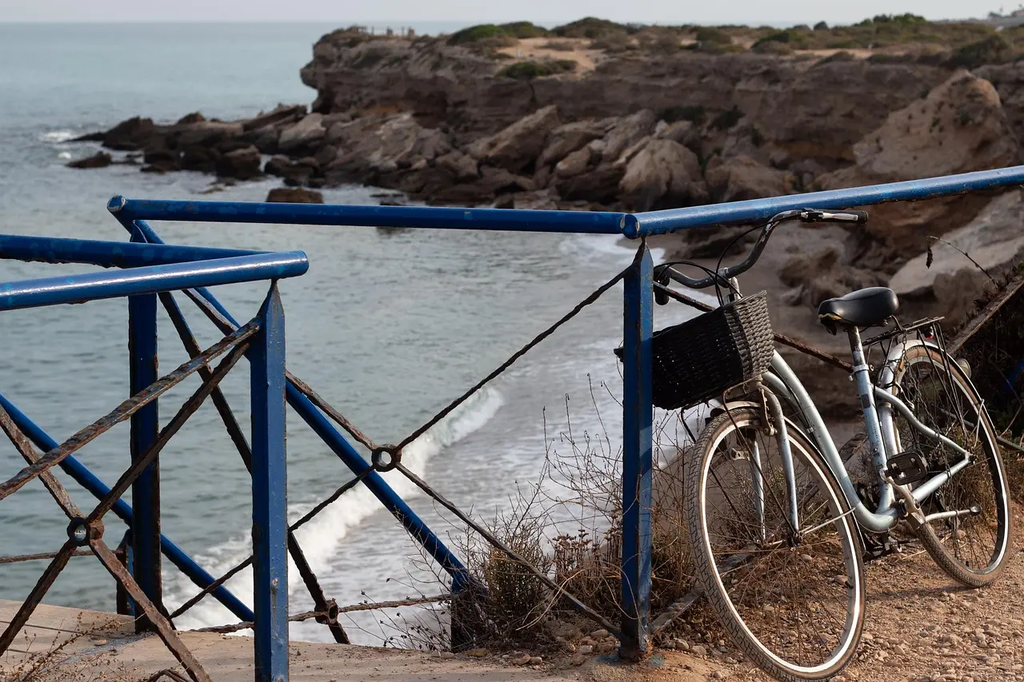
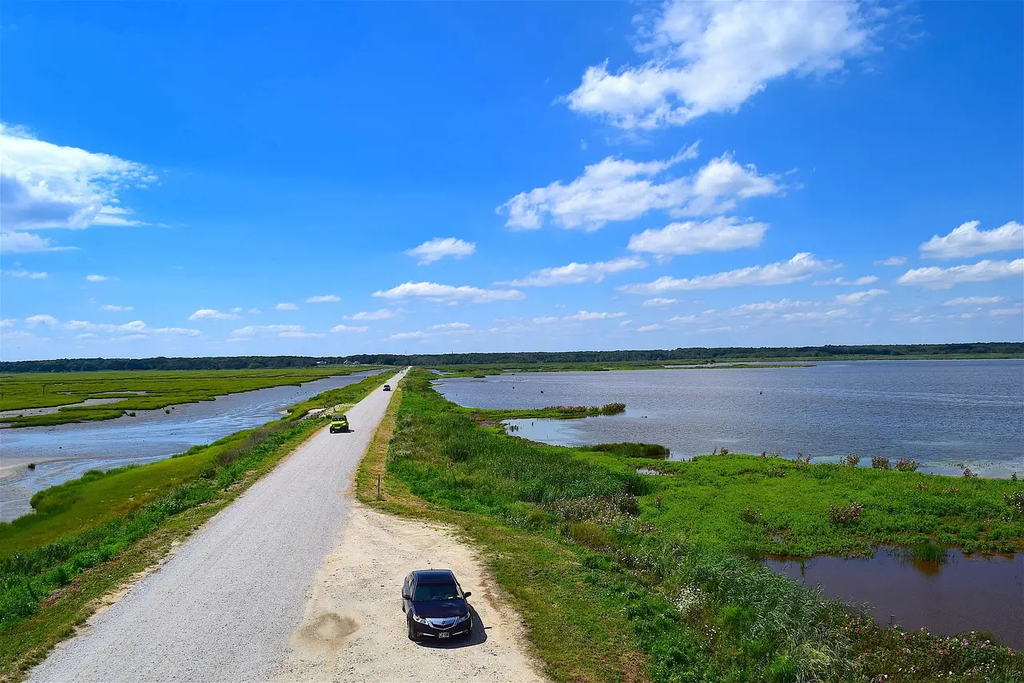
Coastal ecosystems are dynamic environments where land meets the ocean, including beaches, estuaries, mangroves, and salt marshes. These regions are rich in biodiversity, supporting a variety of plants, animals, and marine life. Coastal ecosystems act as natural barriers against storms and erosion, filter pollutants, and provide essential resources for humans, such as food and livelihoods, making them vital for both ecological balance and human well-being.
Coastal Ecosystems+50
Coastal ecosystems are dynamic environments where land meets the ocean, including beaches, estuaries, mangroves, and salt marshes. These regions are rich in biodiversity, supporting a variety of plants, animals, and marine life. Coastal ecosystems act as natural barriers against storms and erosion, filter pollutants, and provide essential resources for humans, such as food and livelihoods, making them vital for both ecological balance and human well-being.
💡 Key Takeaways
- Identify the main coastal ecosystems (dunes, beaches, estuaries, mangroves, salt marshes, coral reefs) and what makes each unique.
- Describe how tides, waves, and sediment transport shape coastlines and habitat structure.
- Explain the ecosystem services coastal areas provide, including storm protection, biodiversity habitat, carbon storage, and fisheries support.
- Discuss major threats to coastal ecosystems (pollution, development, climate change) and basic conservation/restoration approaches.
❓ Frequently Asked Questions
What defines a coastal ecosystem?
A zone where land meets the sea, shaped by tides and waves, including habitats like estuaries, mangroves, salt marshes, dunes, seagrass beds, and coral reefs.
What are some examples of coastal ecosystems?
Estuaries, mangroves, salt marshes, sandy dunes, seagrass beds, and coral reefs.
Why are coastal ecosystems important?
They protect shorelines, support biodiversity, provide nurseries for fisheries, filter water, and store carbon (blue carbon).
What threats do coastal ecosystems face?
Coastal development, pollution, overfishing, habitat destruction, sea-level rise, warming oceans, and invasive species.
How can coastal ecosystems be protected or restored?
Protect and conserve critical habitats, reduce pollution, practice sustainable fishing, restore mangroves and wetlands, and establish marine protected areas.