Throughout history, coded messages hidden in plain sight have played crucial roles in communication, espionage, and resistance. These messages often used symbols, altered texts, or everyday objects to conceal information from enemies or authorities. Examples include invisible ink, acrostic poems, and secret codes embedded in art or letters. Such ingenuity allowed people to transmit sensitive information safely, shaping the outcomes of wars, revolutions, and political intrigue across centuries.
Coded Messages in History
Throughout history, coded messages hidden in plain sight have played crucial roles in communication, espionage, and resistance. These messages often used symbols, altered texts, or everyday objects to conceal information from enemies or authorities. Examples include invisible ink, acrostic poems, and secret codes embedded in art or letters. Such ingenuity allowed people to transmit sensitive information safely, shaping the outcomes of wars, revolutions, and political intrigue across centuries.
💡 Key Takeaways
- Understand how coded messages shaped history by influencing battles, diplomacy, and secrecy.
- Identify classic cipher types used in history (substitution, transposition, and early machine ciphers).
- Learn how cryptanalysis evolved, from frequency analysis to mechanized decryption.
- Explore famous cases (Caesar cipher, Enigma, the Zimmerman Telegram) and their historical impact.
- Try simple hands-on encrypt/decrypt exercises to grasp the basics of historical codes.
❓ Frequently Asked Questions
What is the difference between a code and a cipher?
A code substitutes words or phrases with symbols from a codebook, while a cipher changes the letters or order of letters in a message using a key.
What is the Caesar cipher?
A simple substitution cipher that shifts every letter by a fixed amount in the alphabet, such as A->D for a shift of 3.
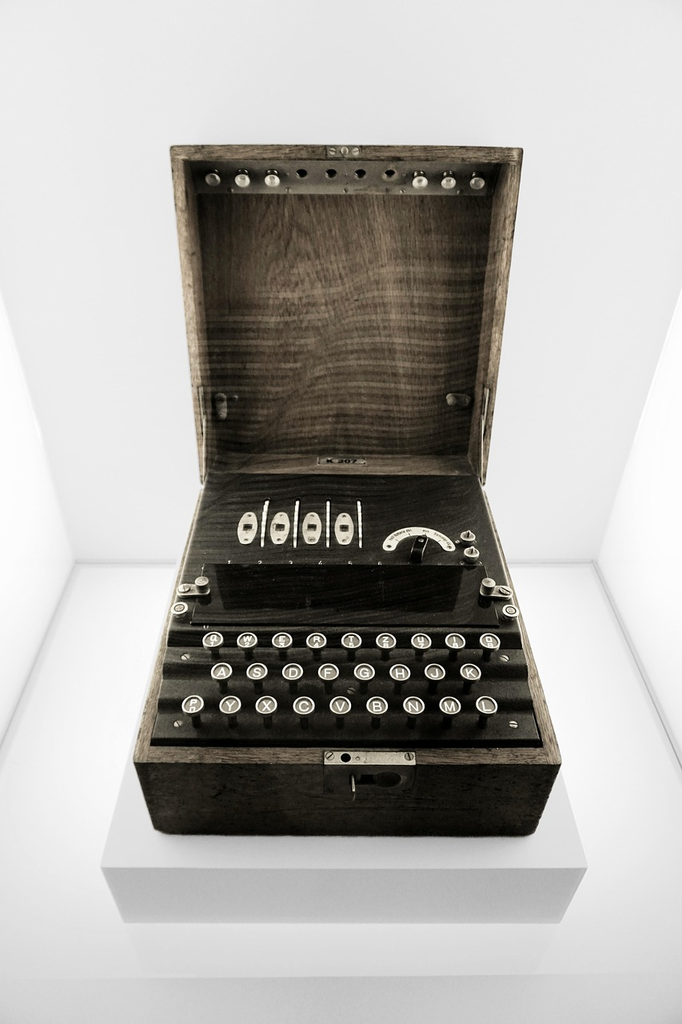
What was the Enigma machine and why was it important?
A German rotor-based cipher device used in WWII; its encrypted messages were considered highly secure until codebreakers deciphered them, influencing the war’s outcome.
Who were the Navajo code talkers and what did they do?
During WWII, Navajo-speaking Marines used their language to create and transmit military codes that were never cracked by the enemy, speeding up communications.