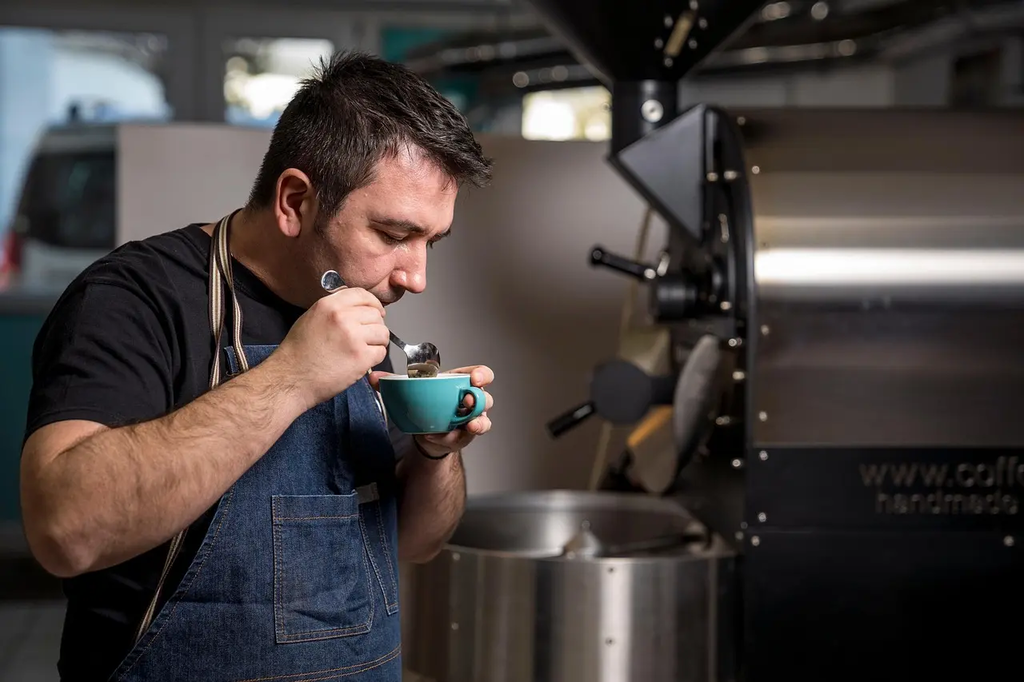
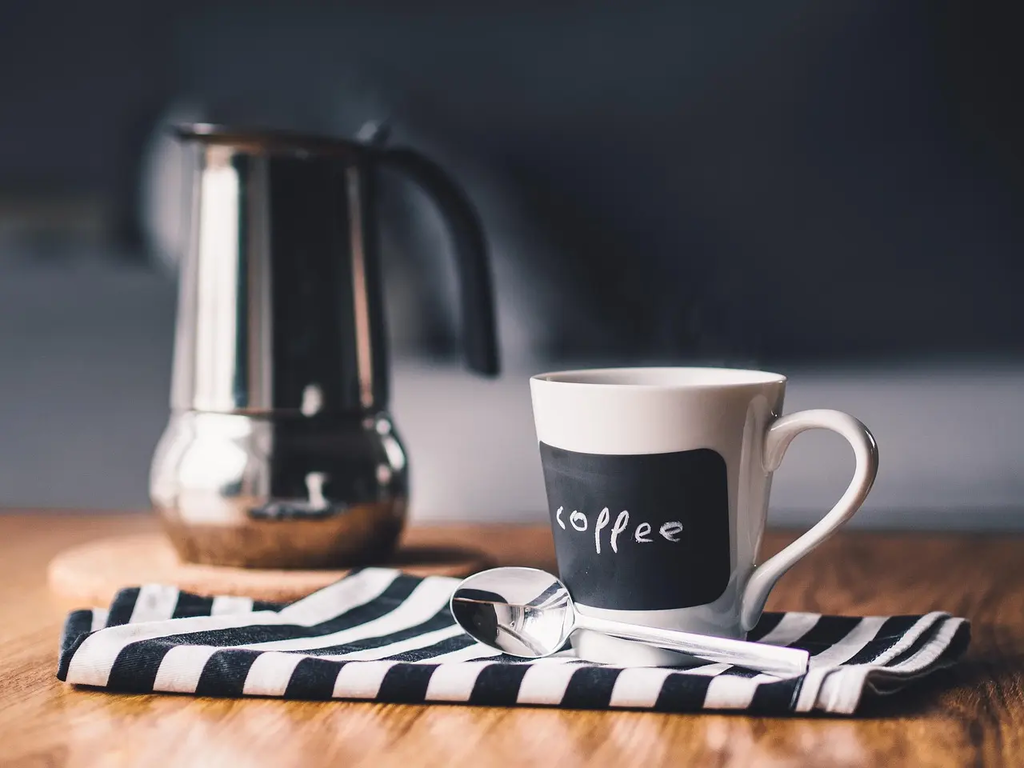
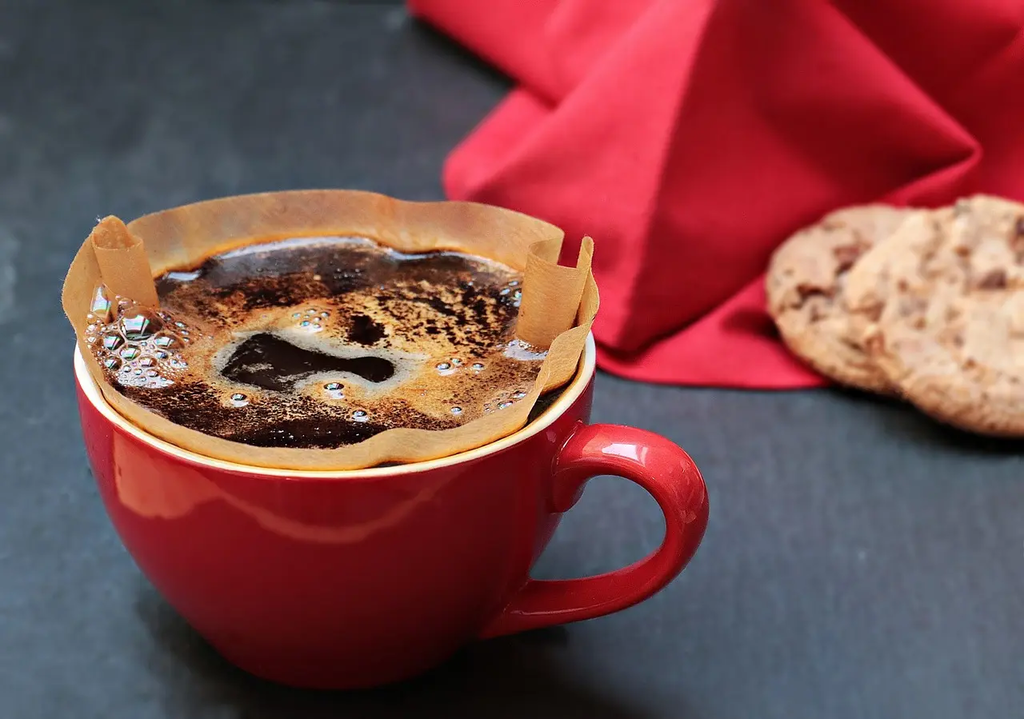
Coffee brewing equipment encompasses a variety of tools and machines used to extract flavors from coffee beans, such as French presses, espresso machines, pour-over drippers, and grinders. Integral to coffee and caffeine culture, these devices reflect personal preferences, brewing traditions, and innovations in coffee preparation. The choice of equipment influences taste, strength, and the overall coffee experience, highlighting the ritualistic and social aspects of enjoying coffee worldwide.
Coffee Brewing Equipment
Coffee brewing equipment encompasses a variety of tools and machines used to extract flavors from coffee beans, such as French presses, espresso machines, pour-over drippers, and grinders. Integral to coffee and caffeine culture, these devices reflect personal preferences, brewing traditions, and innovations in coffee preparation. The choice of equipment influences taste, strength, and the overall coffee experience, highlighting the ritualistic and social aspects of enjoying coffee worldwide.
💡 Key Takeaways
- Recognize the main types of coffee brewing equipment and what each method typically tastes like.
- Understand how grind size, water temperature, and brew time affect extraction across devices.
- Choose the right equipment for your preferred brew method and desired flavor.
- Learn basic care and troubleshooting to keep your gear in top condition.
❓ Frequently Asked Questions
What is the purpose of a coffee grinder in brewing equipment?
A grinder creates uniform coffee particles, which controls extraction. Grind size should match the brew method (coarse for French press, medium for drip, fine for espresso).
How do pour-over brewers differ from immersion methods like the French press?
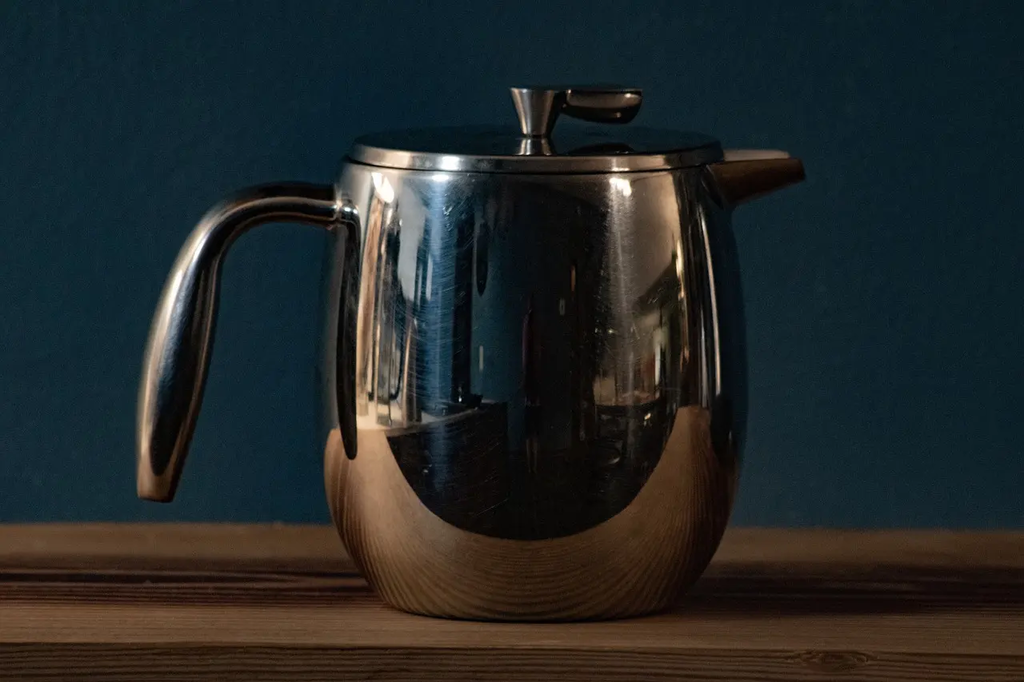
Pour-over uses a filter and a controlled pour to extract flavor as water passes through the grounds, yielding a cleaner cup; French press immerses grounds in water and uses a metal filter for a fuller body.
Why is water temperature important and what range should you target?
Temperature affects extraction rate. Too hot can over-extract; too cool can under-extract. A common target is about 90–96°C (195–205°F) for most methods.
What is a brew ratio and how do you use it?
The brew ratio is the water-to-coffee amount. A typical starting point is 1:15 to 1:17 (water:coffee). For example, 300 g water with 20 g coffee equals 1:15.