Coffee Culture: Brewing Basics refers to the foundational knowledge and practices involved in making coffee, highlighting the importance of bean selection, grinding methods, water temperature, and brewing techniques. It encompasses traditional and modern methods, such as drip, French press, and espresso, reflecting how coffee preparation has become a social ritual and an art form. Understanding these basics is essential for appreciating the flavors and nuances that define coffee culture worldwide.
Coffee Culture: Brewing Basics+50
Coffee Culture: Brewing Basics refers to the foundational knowledge and practices involved in making coffee, highlighting the importance of bean selection, grinding methods, water temperature, and brewing techniques. It encompasses traditional and modern methods, such as drip, French press, and espresso, reflecting how coffee preparation has become a social ritual and an art form. Understanding these basics is essential for appreciating the flavors and nuances that define coffee culture worldwide.
💡 Key Takeaways
- Understand how bean origin, roast level, and freshness influence flavor in brewed coffee.
- Learn how grind size and brewing ratios affect extraction and cup strength.
- Know why water temperature and quality matter for balanced, clean flavors.
- Identify key differences between brewing methods (drip, French press, espresso) and how technique changes for each.
❓ Frequently Asked Questions
What factors influence the flavor of coffee?
Bean type and roast level, grind size, water quality, water temperature, brew ratio, and the brewing method all shape flavor and balance.
What is the ideal water temperature for brewing coffee?
Aim for about 90–96°C (195–205°F); boiling water can over-extract or scorch flavors.
What is grind size and why does it matter?
Grind size controls extraction rate: coarse for French press, medium for drip, and fine for espresso. Wrong size can under- or over-extract.
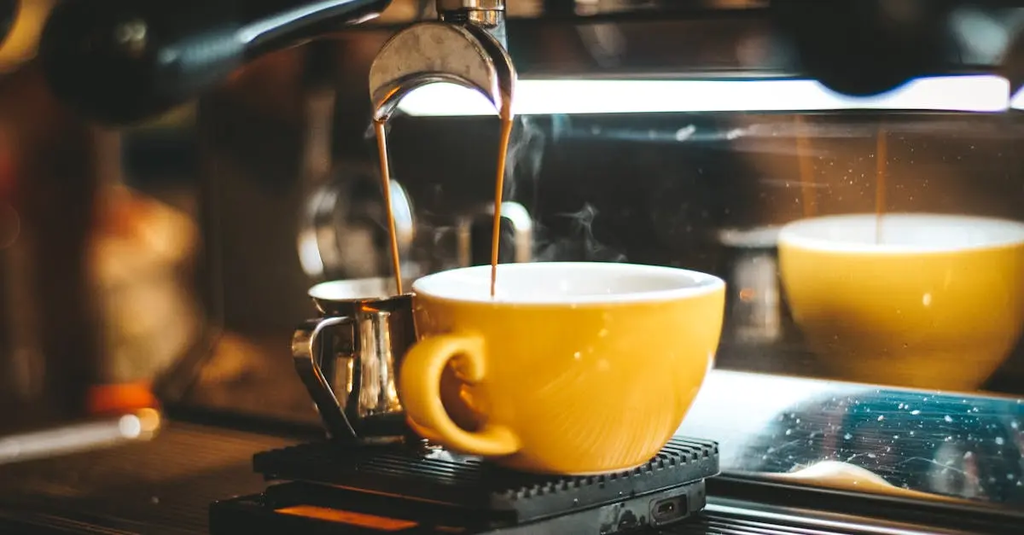
How do drip, French press, and espresso differ?
Drip pours hot water through a filter; French press uses immersion with a plunger; espresso forces hot water through finely ground coffee under high pressure for a concentrated shot.