Coffee culture encompasses a variety of brewing methods, each offering unique flavors and experiences. Popular techniques include espresso, known for its strong, concentrated taste; French press, which produces a rich and full-bodied cup; pour-over, celebrated for its clarity and nuanced flavors; and cold brew, favored for its smoothness and low acidity. Comparing these methods highlights regional preferences, equipment, and rituals, showcasing coffee’s global diversity and the artistry involved in its preparation.
Coffee Culture: Brewing Methods Comparison
Coffee culture encompasses a variety of brewing methods, each offering unique flavors and experiences. Popular techniques include espresso, known for its strong, concentrated taste; French press, which produces a rich and full-bodied cup; pour-over, celebrated for its clarity and nuanced flavors; and cold brew, favored for its smoothness and low acidity. Comparing these methods highlights regional preferences, equipment, and rituals, showcasing coffee’s global diversity and the artistry involved in its preparation.
💡 Key Takeaways
- Identify the defining traits and expected flavors of espresso, French press, and pour-over.
- Learn how grind size, water temperature, and brew time shape extraction and taste for each method.
- Compare body, clarity, and acidity across methods to predict how a cup will taste.
- Get starter tips for equipment and simple ratios to try espresso, French press, and pour-over at home.
❓ Frequently Asked Questions
What is espresso and how is it made?
Espresso is a concentrated coffee brewed by forcing hot water through finely ground coffee at high pressure (about 9 bars). It creates a small, strong shot with a crema on top.
How does a French press differ from a pour-over?
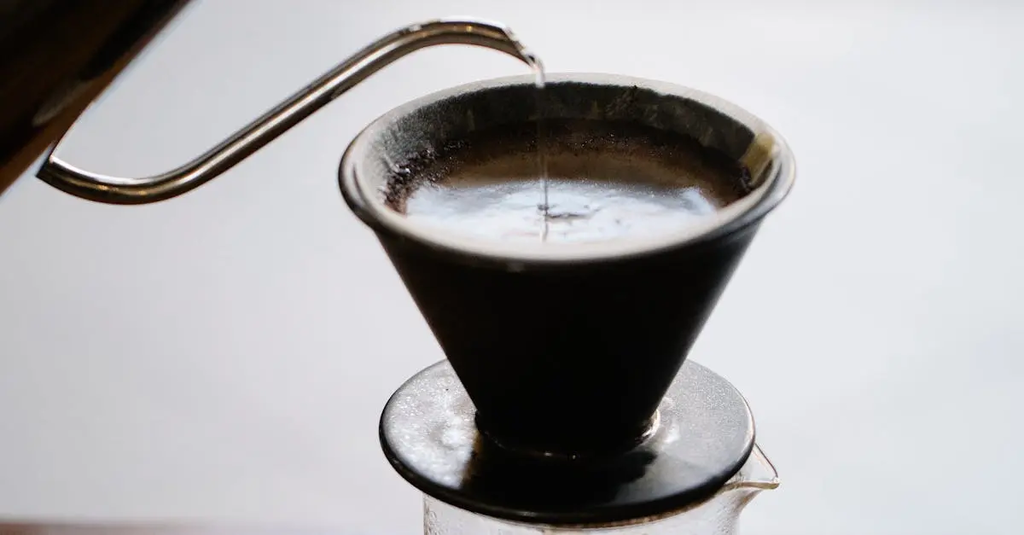
French press uses immersion with a metal filter; grounds steep in hot water, then a plunger separates them. It yields a full-bodied cup with oils. Pour-over drips water through a paper filter, producing a cleaner cup with clearer, more nuanced flavors.
Which brewing factors influence flavor across these methods?
Grind size, water temperature, brew time, and coffee-to-water ratio shape extraction and flavor. The device and filter type also affect clarity, body, and aroma.
Does a brewing method determine caffeine content?
Not by itself. Caffeine depends on how much coffee you use and how fully it’s extracted. Espresso is more concentrated, but a typical cup of drip coffee can contain more caffeine by volume depending on the dose.