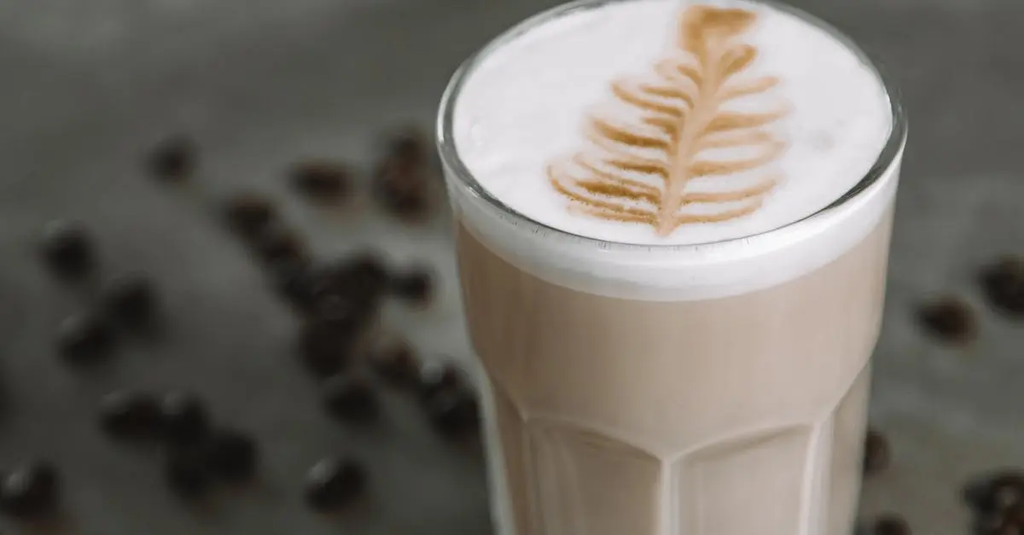
Coffee culture places great emphasis on milk texturing and latte art, both essential skills for baristas. Milk texturing involves steaming milk to create a creamy, velvety microfoam that blends harmoniously with espresso. Mastery of this technique enhances the flavor and mouthfeel of drinks like lattes and cappuccinos. Latte art, the creative pouring of textured milk, produces visually appealing designs such as hearts or rosettas, reflecting both craftsmanship and the social enjoyment of specialty coffee.
Coffee Culture: Milk Texturing & Latte Art Basics
Coffee culture places great emphasis on milk texturing and latte art, both essential skills for baristas. Milk texturing involves steaming milk to create a creamy, velvety microfoam that blends harmoniously with espresso. Mastery of this technique enhances the flavor and mouthfeel of drinks like lattes and cappuccinos. Latte art, the creative pouring of textured milk, produces visually appealing designs such as hearts or rosettas, reflecting both craftsmanship and the social enjoyment of specialty coffee.
💡 Key Takeaways
- Understand the role of milk texture in espresso drinks and how microfoam contributes to mouthfeel and balance.
- Learn the basic milk steaming steps to create velvety microfoam with small, uniform bubbles and the right temperature.
- Evaluate texture using visual and tactile cues and adjust technique for different milk types.
- Practice simple latte art pours (e.g., heart, tulip, rosette) to showcase the textured milk.
- Recognize how milk choice and ratios affect flavor, texture, and overall drink balance.
❓ Frequently Asked Questions
What is microfoam and why is it essential for latte art?
Microfoam is velvety milk with tiny, uniform bubbles that blends smoothly with espresso; it creates a glossy surface and stable foam needed to pour latte art shapes.
How can you tell if your milk texture is right for latte art?
It should be glossy and creamy with tiny bubbles (microfoam) that pours smoothly; avoid large bubbles, stringy foam, or separation.
What is the typical milk temperature range for steaming for latte art?
Aim around 60-65°C (140-149°F); overheating beyond ~70°C can scald the milk and ruin texture.
What are common beginner latte art designs?
Heart, rosette (leaf), and tulip patterns are popular starting designs for practice.
How do you position the milk pitcher to start a latte art pour?
Pour from a slight distance to integrate milk with espresso, then lower the pitcher and pour a steady stream to guide and shape the surface.