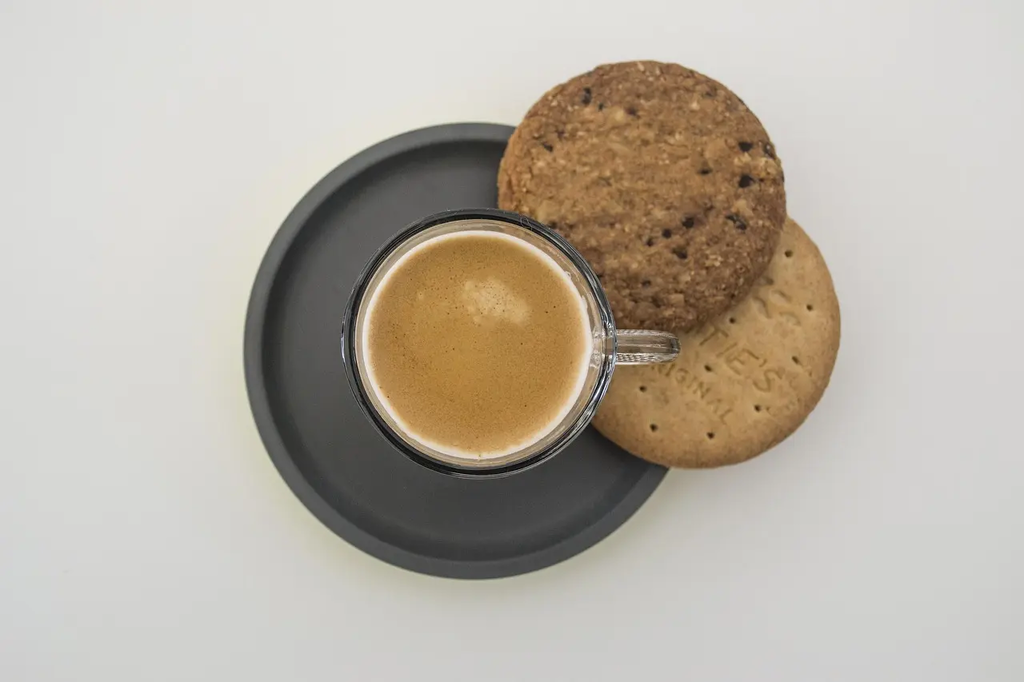
Coffee flavor profiles refer to the unique combination of tastes, aromas, and textures found in different coffee beans, influenced by factors like origin, roast level, and brewing method. These profiles can include notes such as fruity, nutty, floral, chocolatey, or spicy. In coffee and caffeine culture, enthusiasts appreciate and seek out diverse flavor experiences, often comparing and discussing subtle distinctions to enhance their enjoyment and understanding of coffee.
Coffee Flavor Profiles
Coffee flavor profiles refer to the unique combination of tastes, aromas, and textures found in different coffee beans, influenced by factors like origin, roast level, and brewing method. These profiles can include notes such as fruity, nutty, floral, chocolatey, or spicy. In coffee and caffeine culture, enthusiasts appreciate and seek out diverse flavor experiences, often comparing and discussing subtle distinctions to enhance their enjoyment and understanding of coffee.
💡 Key Takeaways
- Identify common coffee flavor notes (fruity, chocolatey, nutty, floral) and how roast level alters them.
- Explain how origin, processing, and freshness influence coffee flavor profiles.
- Distinguish aroma from taste and evaluate body, acidity, sweetness, and aftertaste.
- Understand how brewing methods (pour-over, immersion, espresso) highlight different flavors and balances.
❓ Frequently Asked Questions
What factors influence coffee flavor profiles?
Flavor comes from origin (soil, altitude), processing method (washed, natural, honey), roast level, freshness, grind size, water quality, and brewing method.
What do “acidity” and “body” mean in coffee tasting?
Acidity describes brightness or tanginess in taste; body refers to the coffee's mouthfeel or heaviness.
What are common flavor notes you might find in coffee?
Notes often include chocolate, nuts, caramel, fruit (berries, citrus), floral, and spice, influenced by origin and processing.
How does roast level affect flavor?
Light roasts highlight acidity and fruity notes; medium roasts balance flavors; dark roasts tend to be chocolatey, smoky, and less acidic.