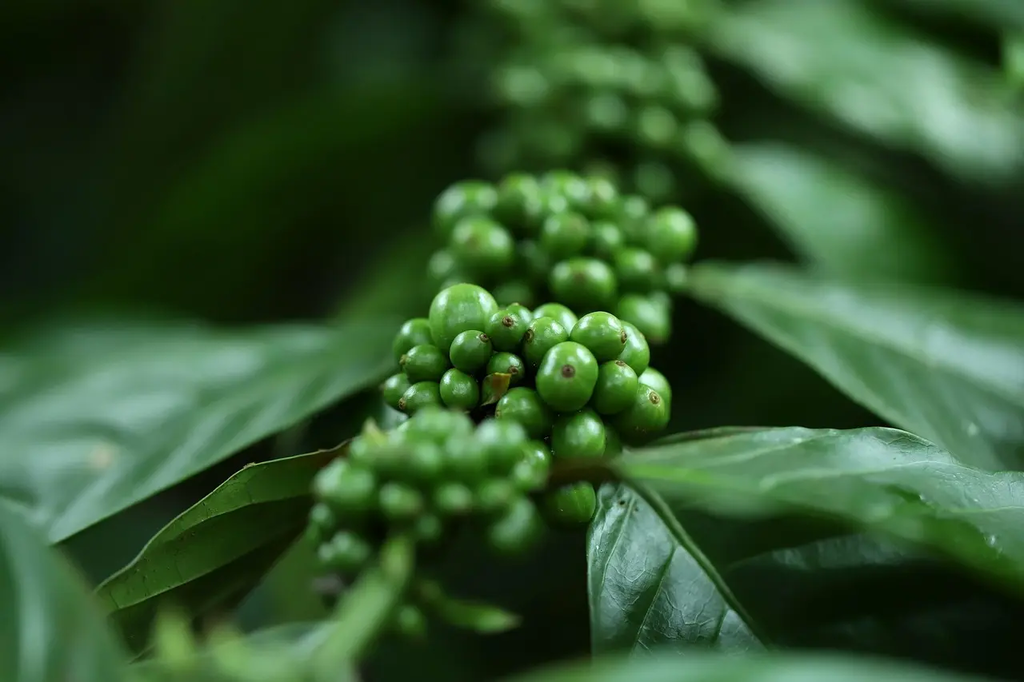
Coffee growing regions refer to specific geographic areas around the world, typically located between the Tropics of Cancer and Capricorn, where climate and altitude create ideal conditions for cultivating coffee plants. These regions, such as Latin America, Africa, and Southeast Asia, have developed rich coffee and caffeine cultures, influencing local traditions, economies, and social rituals. The unique characteristics of each region contribute to the diverse flavors and aromas found in coffee worldwide.
Coffee Growing Regions
Coffee growing regions refer to specific geographic areas around the world, typically located between the Tropics of Cancer and Capricorn, where climate and altitude create ideal conditions for cultivating coffee plants. These regions, such as Latin America, Africa, and Southeast Asia, have developed rich coffee and caffeine cultures, influencing local traditions, economies, and social rituals. The unique characteristics of each region contribute to the diverse flavors and aromas found in coffee worldwide.
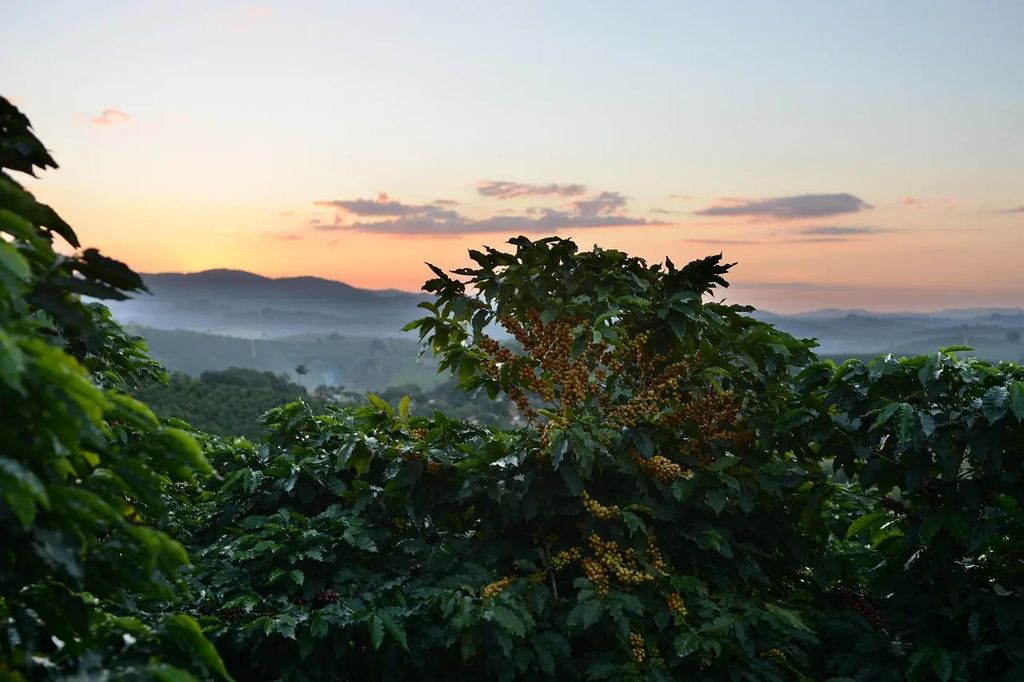
💡 Key Takeaways
- Identify major coffee growing regions worldwide and their typical flavor profiles.
- Explain how altitude, climate, and soil shape regional coffee flavor.
- Describe common regional processing methods and their impact on flavor.
- Differentiate Arabica and Robusta and identify regional production trends.
❓ Frequently Asked Questions
What are the main coffee growing regions of the world?
Coffee is grown within the 'Coffee Belt' around the equator—Latin America, Africa, and Asia-Pacific. Major producers include Brazil, Vietnam, Colombia, Ethiopia, Indonesia, Honduras, Peru, Kenya, and Guatemala. Climate, altitude, and soil in each region shape the flavor profile.
How do altitude and climate affect coffee flavor in different regions?
Higher elevations slow bean development, often yielding brighter acidity and more nuanced flavors. Lower elevations and warmer climates produce fuller bodies and stronger, bolder profiles. Regional rainfall and temperature also influence sweetness and balance.
Which regional flavors are commonly associated with coffee?
Ethiopian coffees are often floral and fruity; Colombian coffees tend to be balanced with clean acidity; Kenyan coffees are bright and citrusy; Brazilian coffees often have chocolatey, nutty notes; Indonesian coffees can be earthy and full-bodied.
How do processing methods vary by region and affect flavor?
Processing (washed, natural/dry, or honey) interacts with climate. Dry regions may favor natural processing to boost sweetness and body, while wetter regions rely on washed processing to highlight clarity and brightness. Processing choices shape the final flavor profile of regional beans.