Coffee roasting and brewing methods refer to the processes that transform raw coffee beans into a flavorful beverage. Roasting involves heating green coffee beans to develop their aroma, flavor, and color, with varying roast levels from light to dark. Brewing methods, such as drip, French press, espresso, and pour-over, extract flavors from ground coffee using different techniques, water temperatures, and equipment, greatly influencing the final taste and experience of the coffee.
Coffee Roasting and Brewing Methods
Coffee roasting and brewing methods refer to the processes that transform raw coffee beans into a flavorful beverage. Roasting involves heating green coffee beans to develop their aroma, flavor, and color, with varying roast levels from light to dark. Brewing methods, such as drip, French press, espresso, and pour-over, extract flavors from ground coffee using different techniques, water temperatures, and equipment, greatly influencing the final taste and experience of the coffee.
💡 Key Takeaways
- How roasting transforms green beans into aroma, flavor, and color, and how roast level changes those traits.
- Differences between light, medium, and dark roasts and the typical flavor and acidity they bring.
- How popular brewing methods (drip, French press, espresso) affect body, clarity, and flavor.
- The impact of grind size, water temperature, and extraction time on a balanced cup.
- Why freshness and roast date matter for aroma and flavor in coffee.
❓ Frequently Asked Questions
What is coffee roasting and why does it matter?
Roasting heats green beans to develop aroma, flavor, and color; the roast level (light to dark) shapes sweetness, acidity, body, and aroma.
What are the main roast levels and how do they differ in flavor?
Light roasts highlight origin flavors and brightness; medium roasts balance sweetness and body; dark roasts offer bolder, chocolatey notes with lower acidity.
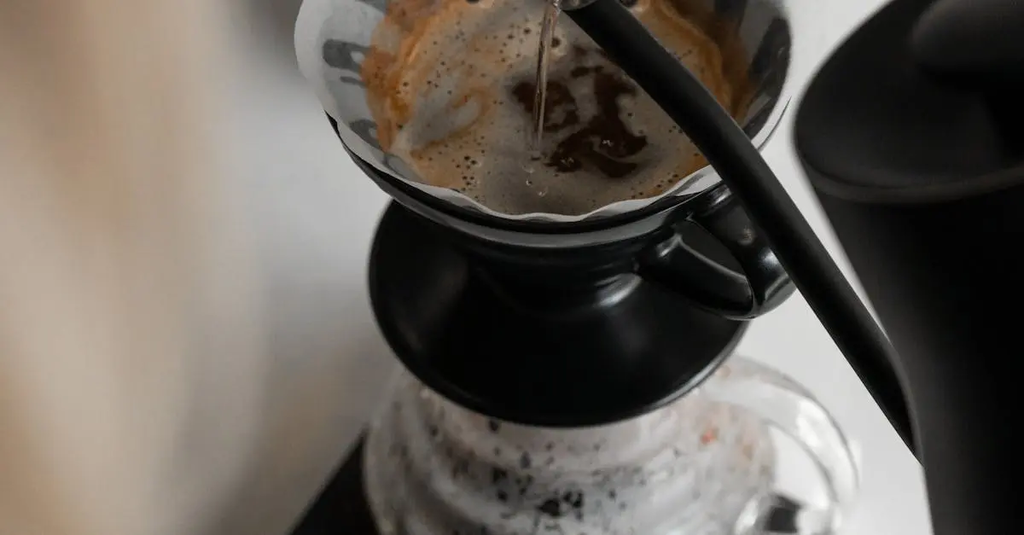
How do different brewing methods like drip, French press, and espresso affect flavor?
Drip brews tend to be clean and consistent; French press yields a fuller body and more oils; espresso produces a concentrated shot with intense flavors and crema.
Why do grind size and water temperature matter when brewing?
Grind size controls extraction rate (finer for espresso, coarser for drip/press); water temperature (about 90–96°C) influences flavor extraction—too hot over-extracts, too cool under-extracts.