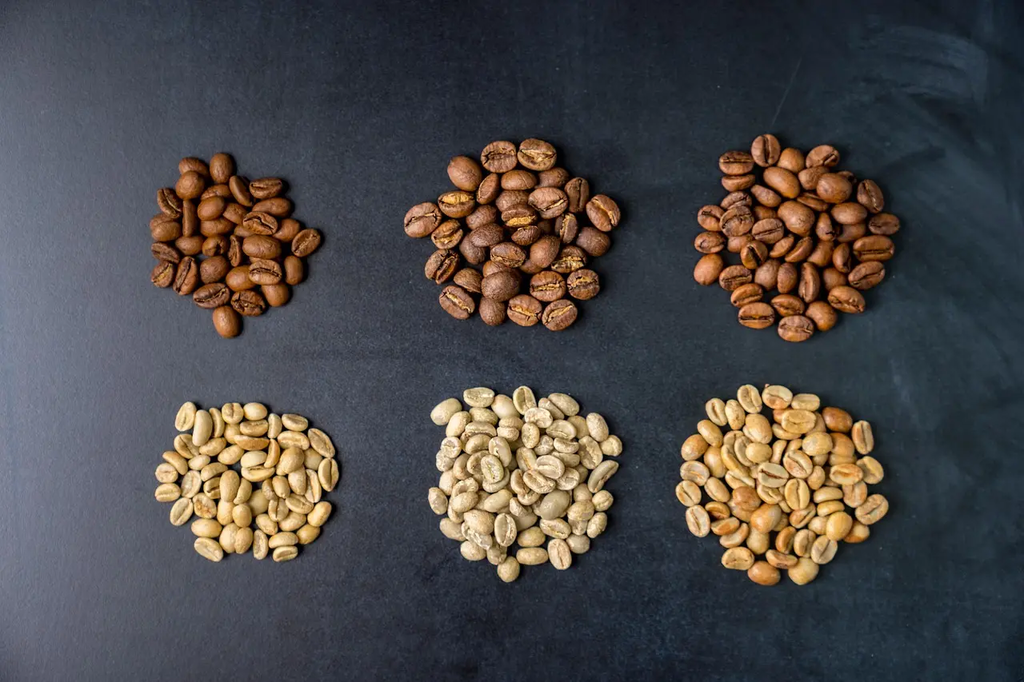
Coffee Tasting Basics introduces the fundamental techniques for evaluating coffee’s flavor, aroma, and body. It involves observing the coffee’s appearance, inhaling its fragrance, and savoring sips to identify notes like fruity, nutty, or chocolaty. This practice is central to coffee and caffeine culture, where enthusiasts and professionals alike appreciate the complexities of different beans, origins, and roast profiles, enhancing their overall coffee experience and understanding.
Coffee Tasting Basics
Coffee Tasting Basics introduces the fundamental techniques for evaluating coffee’s flavor, aroma, and body. It involves observing the coffee’s appearance, inhaling its fragrance, and savoring sips to identify notes like fruity, nutty, or chocolaty. This practice is central to coffee and caffeine culture, where enthusiasts and professionals alike appreciate the complexities of different beans, origins, and roast profiles, enhancing their overall coffee experience and understanding.

💡 Key Takeaways
- Recognize key coffee tasting terms (aroma, flavor, acidity, body, sweetness, aftertaste) to describe your cup.
- Understand how roast level and grind size influence flavor and aroma.
- Practice a simple tasting routine: evaluate aroma, taste, acidity, body, and finish.
- Compare how different brewing methods (drip, pour-over, espresso, French press) affect flavor and mouthfeel.
❓ Frequently Asked Questions
What are the main aspects evaluated in coffee tasting?
Aroma, flavor, acidity, sweetness, body (mouthfeel), and aftertaste.
What does 'acidity' mean in coffee tasting?
Acidity is the bright, lively sensation that gives a crisp finish. It’s not about pH and varies with origin and roast.
How does grind size affect tasting notes?
Finer grinds extract more quickly, often making the cup taste stronger or more bitter; coarser grinds can yield lighter flavors and greater clarity.
How should you sample a coffee during tasting?
Smell the dry grounds, sniff the brewed cup, take a quick slurp to spread the coffee on your palate, and note acidity, sweetness, body, and aftertaste.
What do 'body' and 'balance' mean in coffee tasting?
Body is the mouthfeel (light to full). Balance means how well acidity, sweetness, and bitterness fit together for a smooth overall impression.