Cognitive psychology foundations refer to the basic principles and theories that explain how people perceive, think, remember, and learn. This field emerged in response to behaviorism, emphasizing internal mental processes rather than just observable behaviors. Key concepts include information processing, mental representations, attention, memory, language, and problem-solving. These foundations provide a framework for understanding how individuals interpret and interact with the world, influencing research and applications across psychology and related disciplines.
Cognitive Psychology Foundations
Cognitive psychology foundations refer to the basic principles and theories that explain how people perceive, think, remember, and learn. This field emerged in response to behaviorism, emphasizing internal mental processes rather than just observable behaviors. Key concepts include information processing, mental representations, attention, memory, language, and problem-solving. These foundations provide a framework for understanding how individuals interpret and interact with the world, influencing research and applications across psychology and related disciplines.
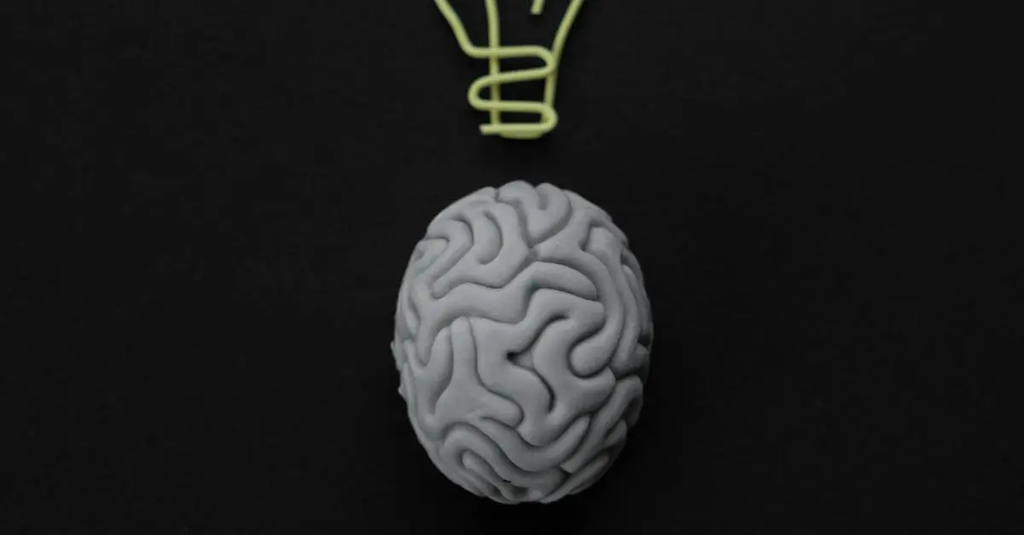
💡 Key Takeaways
- Understand how cognitive psychology differs from behaviorism by focusing on internal mental processes like perception, memory, and learning.
- Learn the information-processing model: encoding, storage, and retrieval.
- Explore memory systems (working memory vs. long-term memory) and how encoding affects memory performance.
- See how perception, attention, and prior knowledge (schemas) shape thinking, problem solving, and learning.
- Recognize core research methods in cognitive psychology and their implications for education and everyday reasoning.
❓ Frequently Asked Questions
What is cognitive psychology and how does it differ from behaviorism?
Cognitive psychology studies internal mental processes (perception, memory, thinking, learning) and how people encode, store, and retrieve information. It differs from behaviorism, which focuses only on observable actions; cognitive psychology explains the mental processes behind behavior.
What is the information processing model in cognitive psychology?
It views the mind like a computer: environmental input is encoded, processed in working memory, stored in long-term memory, and retrieved when needed, with attention shaping what gets processed.
How are perception, attention, and memory linked to learning?
Perception determines what information is noticed; attention selects what is processed; memory stores knowledge. Learning involves encoding new information and integrating it into existing memory, with retrieval enabling its use.
What is the difference between working memory and long-term memory?
Working memory holds a small amount of information actively being processed, while long-term memory stores knowledge and skills over extended periods. Learning transfers information from working to long-term memory through encoding and consolidation.