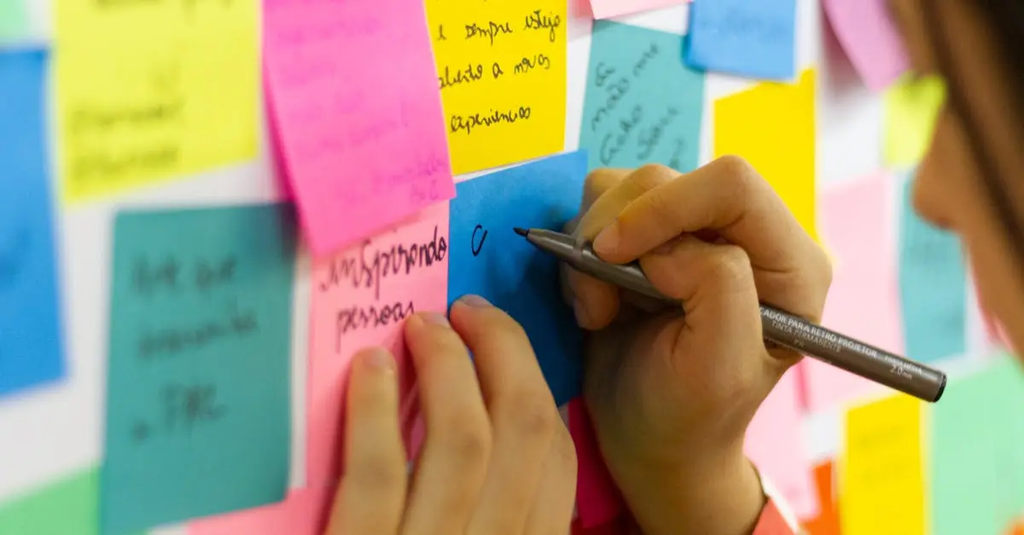
Collaborative writing tools and workflows refer to digital platforms and structured processes that enable multiple individuals to create, edit, and review documents together in real time or asynchronously. These tools, such as Google Docs or Microsoft Teams, facilitate seamless communication, version control, and task management. Effective workflows ensure clarity in roles, streamline feedback, and improve productivity, making teamwork on written projects more efficient and organized regardless of participants’ locations.
Collaborative Writing Tools & Workflows
Collaborative writing tools and workflows refer to digital platforms and structured processes that enable multiple individuals to create, edit, and review documents together in real time or asynchronously. These tools, such as Google Docs or Microsoft Teams, facilitate seamless communication, version control, and task management. Effective workflows ensure clarity in roles, streamline feedback, and improve productivity, making teamwork on written projects more efficient and organized regardless of participants’ locations.

💡 Key Takeaways
- Understand how real-time and asynchronous collaborative writing tools support multiple writers, version control, and a single source of truth.
- Learn how to configure sharing settings, permissions, and roles (owners, editors, commenters) for academic writing projects.
- Explore workflows for collecting, organizing, and integrating feedback using comments, suggestions, and revision history.
- Apply best practices for file organization, naming conventions, and documenting changes to improve efficiency and accountability in group writing.
❓ Frequently Asked Questions
What are collaborative writing tools and workflows?
They are digital platforms and structured processes that let multiple people create, edit, and review documents together, in real time or asynchronously (e.g., Google Docs, Microsoft Teams).
What is the difference between real-time and asynchronous collaboration?
Real-time collaboration lets several people edit the same document at once with live updates; asynchronous collaboration uses delayed edits and feedback via comments or versioned copies.
What features support effective collaborative writing?
Real-time editing, comments and track changes, version history, clear access controls, task assignments, and integrated chat help teams coordinate and track revisions.
What are some best practices for collaborative writing in academic contexts?
Define roles and a workflow (draft, review, finalize), use consistent file naming and versioning, keep feedback in comments, rely on version history to track changes, and set timelines for responses.